KYC in Banking and Cryptocurrency: A Necessary Hassle or Essential Protection?

KYC in Banking and Cryptocurrency: A Necessary Hassle or Essential Protection?

The financial world has experienced rapid changes, driven largely by technological advancements and the rise of digital currencies. Amid these shifts, the concept of “Know Your Customer” (KYC) has become increasingly important in both traditional banking and cryptocurrency sectors. While many customers view KYC procedures as tedious and intrusive, these processes are crucial for protecting financial institutions, safeguarding consumers, and maintaining the integrity of the global financial system. In this article, I’ll share my perspective on the current state of KYC practices, highlighting their importance, examining the challenges they present, and suggesting ways to improve them.

The idea behind KYC isn’t new. Banks have long been required to verify their customers’ identities and assess potential risks associated with their financial activities. These requirements stem from international regulations designed to combat financial crimes such as money laundering, terrorist financing, fraud, and tax evasion. According to the United Nations Office on Drugs and Crime (UNODC), between 2% and 5% of global GDP—roughly $800 billion to $2 trillion—is laundered each year. These alarming figures underscore the necessity of robust KYC procedures to detect and prevent illicit financial activities.

In traditional banking, KYC typically involves collecting and verifying personal identification documents, proof of address, financial history, and details about business operations. Banks also continuously monitor customer transactions to identify suspicious activities. Although these processes can be time-consuming and frustrating for customers, they are essential for banks to comply with strict regulatory requirements, such as the Bank Secrecy Act (BSA) in the United States, the European Union’s Anti-Money Laundering Directives (AMLD), and guidelines issued by the Financial Action Task Force (FATF).

The emergence of cryptocurrencies has introduced new complexities to the KYC landscape. Cryptocurrencies inherently offer a degree of anonymity and decentralization that traditional financial systems lack. This anonymity has made digital currencies attractive to criminals seeking to launder money or finance illegal activities. According to TRM Labs, in 2024, crypto transaction volume grew to over USD 10.6 trillion, up 56% since 2023. Illicit volume dropped to USD 45 billion, down 24% since 2023. In its 2025 crypto crime report released on February 10, the firm said the volume of illicit transactions dropped 24 per cent year on year to US$44.7 billion (S$60 billion) in 2024. but use in terrorist financing up. It also said that they are particular concern is cryptocurrency’s growing role for ISIS’ affiliate in Afghanistan, the Islamic State Khorasan Province (ISKP). This troubling trend has prompted regulators worldwide to impose stricter KYC and Anti-Money Laundering (AML) requirements on cryptocurrency exchanges and virtual asset service providers (VASPs).

The FATF introduced the “travel rule,” requiring VASPs to collect and share specific information about their customers’ transactions, including sender and recipient names, addresses, account numbers, transaction amounts, and transaction purposes. Although these recommendations aren’t legally binding, many jurisdictions have adopted or are currently implementing them. The travel rule aims to enhance transparency in cryptocurrency transactions, making it harder for criminals to exploit digital currencies for illicit purposes. This has to be enforced strictly in my opinion.

Despite the clear benefits of KYC in both banking and cryptocurrency sectors, several challenges remain. One significant issue is the lack of standardization in KYC processes across different jurisdictions and institutions. This inconsistency can confuse customers and create inefficiencies for financial institutions. For instance, a customer might be required to submit different sets of documents and information to multiple banks or cryptocurrency exchanges, causing unnecessary friction and frustration.

Another challenge is the rapidly evolving regulatory environment surrounding cryptocurrencies. Regulations vary significantly from country to country, and new rules are frequently introduced or amended. This dynamic landscape makes it difficult for cryptocurrency businesses to maintain compliance and implement effective KYC procedures.

Identity verification in the cryptocurrency industry also presents unique difficulties. The pseudonymous nature of many cryptocurrencies, combined with decentralized wallets and privacy-enhancing technologies, complicates the task of accurately identifying users. Traditional methods of identity verification, such as government-issued IDs and proof of address, may not always be sufficient or applicable in the digital currency context. As a result, cryptocurrency businesses must explore innovative solutions, such as biometric verification, blockchain-based identity systems, and advanced analytics tools, to enhance their KYC capabilities.

Balancing security and user experience is another critical consideration. While rigorous KYC processes are necessary to prevent financial crimes, overly burdensome procedures can negatively impact customer satisfaction and deter potential users. Based on a closed door feedback group that I have attended in South Korea, more than 80% of the group members feedbacked that they will abandon digital onboarding processes due to complexity or length. Financial institutions and cryptocurrency businesses must therefore strive to streamline their KYC processes, leveraging technology to automate verification tasks, reduce manual intervention, and provide a seamless user experience.

Proof of funds is another essential aspect of KYC, particularly in the cryptocurrency industry. Demonstrating financial capability through bank statements, letters of credit, or cryptocurrency wallet balances helps businesses assess the legitimacy of transactions and mitigate risks associated with fraud and money laundering. Verifying proof of funds in the cryptocurrency context can be challenging due to the volatility of digital assets and the difficulty of accurately assessing wallet ownership and transaction histories. Developing standardized methods and tools for verifying proof of funds in cryptocurrency transactions is crucial for enhancing transparency and trust in the industry.

From my perspective, while KYC processes may seem intrusive and burdensome, their importance cannot be overstated. Financial crimes pose significant threats to global economic stability, national security, and public trust in financial institutions. Robust KYC procedures are essential for detecting and preventing these crimes, protecting consumers, and maintaining the integrity of the financial system. There is considerable room for improvement in how KYC processes are implemented, particularly in the cryptocurrency industry.

Regulators, financial institutions, and cryptocurrency businesses must collaborate to develop standardized, clear, and consistent KYC frameworks. International cooperation and harmonization of regulations can help reduce confusion and inefficiencies, making it easier for businesses to comply and for customers to navigate onboarding processes. Additionally, investing in innovative technologies, such as blockchain-based identity verification systems, artificial intelligence, and machine learning, can significantly enhance the effectiveness and efficiency of KYC procedures.

Financial institutions and cryptocurrency businesses must also prioritize user experience when designing and implementing KYC processes. Simplifying onboarding procedures, minimizing manual interventions, and providing clear guidance and support to customers can help reduce frustration and abandonment rates. By striking the right balance between security, compliance, and user experience, businesses can build trust and credibility with their customers and regulators, ultimately driving growth and innovation in the financial sector.

In conclusion, KYC processes are a necessary hassle in today’s complex financial landscape. While they may be perceived as intrusive and cumbersome, their role in preventing financial crimes, protecting consumers, and maintaining the integrity of the global financial system is undeniable. By addressing the challenges associated with standardization, regulatory clarity, identity verification, and user experience, financial institutions and cryptocurrency businesses can enhance the effectiveness of their KYC procedures, fostering greater transparency, trust, and security in the financial industry. As we continue to navigate the evolving landscape of digital finance, embracing robust and efficient KYC practices will be essential for safeguarding our financial future.


 

Source: https://www.securities.io/kyc-in-banking-and-cryptocurrency-a-necessary-hassle-or-essential-protection/

Anndy Lian is an early blockchain adopter and experienced serial entrepreneur who is known for his work in the government sector. He is a best selling book author- “NFT: From Zero to Hero” and “Blockchain Revolution 2030”.

Currently, he is appointed as the Chief Digital Advisor at Mongolia Productivity Organization, championing national digitization. Prior to his current appointments, he was the Chairman of BigONE Exchange, a global top 30 ranked crypto spot exchange and was also the Advisory Board Member for Hyundai DAC, the blockchain arm of South Korea’s largest car manufacturer Hyundai Motor Group. Lian played a pivotal role as the Blockchain Advisor for Asian Productivity Organisation (APO), an intergovernmental organization committed to improving productivity in the Asia-Pacific region.

An avid supporter of incubating start-ups, Anndy has also been a private investor for the past eight years. With a growth investment mindset, Anndy strategically demonstrates this in the companies he chooses to be involved with. He believes that what he is doing through blockchain technology currently will revolutionise and redefine traditional businesses. He also believes that the blockchain industry has to be “redecentralised”.

j j j

How Singapore’s stablecoin rules could boost crypto’s ‘mainstream’ banking role

How Singapore’s stablecoin rules could boost crypto’s ‘mainstream’ banking role
  • Industry executives say the proposed rules by the Monetary Authority of Singapore are timely and will boost investor confidence
  • Recent moves by Hong Kong and Europe on rules governing stablecoins will also spur wider adoption of cryptocurrencies, according to the executives


The unpredictable price fluctuations of cryptocurrencies have been a make-or-break game for myriad investors across Asia for months.

However, only a handful of regional policymakers have ventured to integrate these volatile assets into the mainstream financial landscape.

Now, the latest move by Singapore’s central bank to introduce regulatory guidelines for stablecoins could prove to be a milestone for its rapid adoption in traditional channels like banks, analysts say.

Unlike other cryptocurrencies, stablecoins are viewed as safe haven assets as their values are pegged to traditional currencies or other assets such as government bonds and gold.

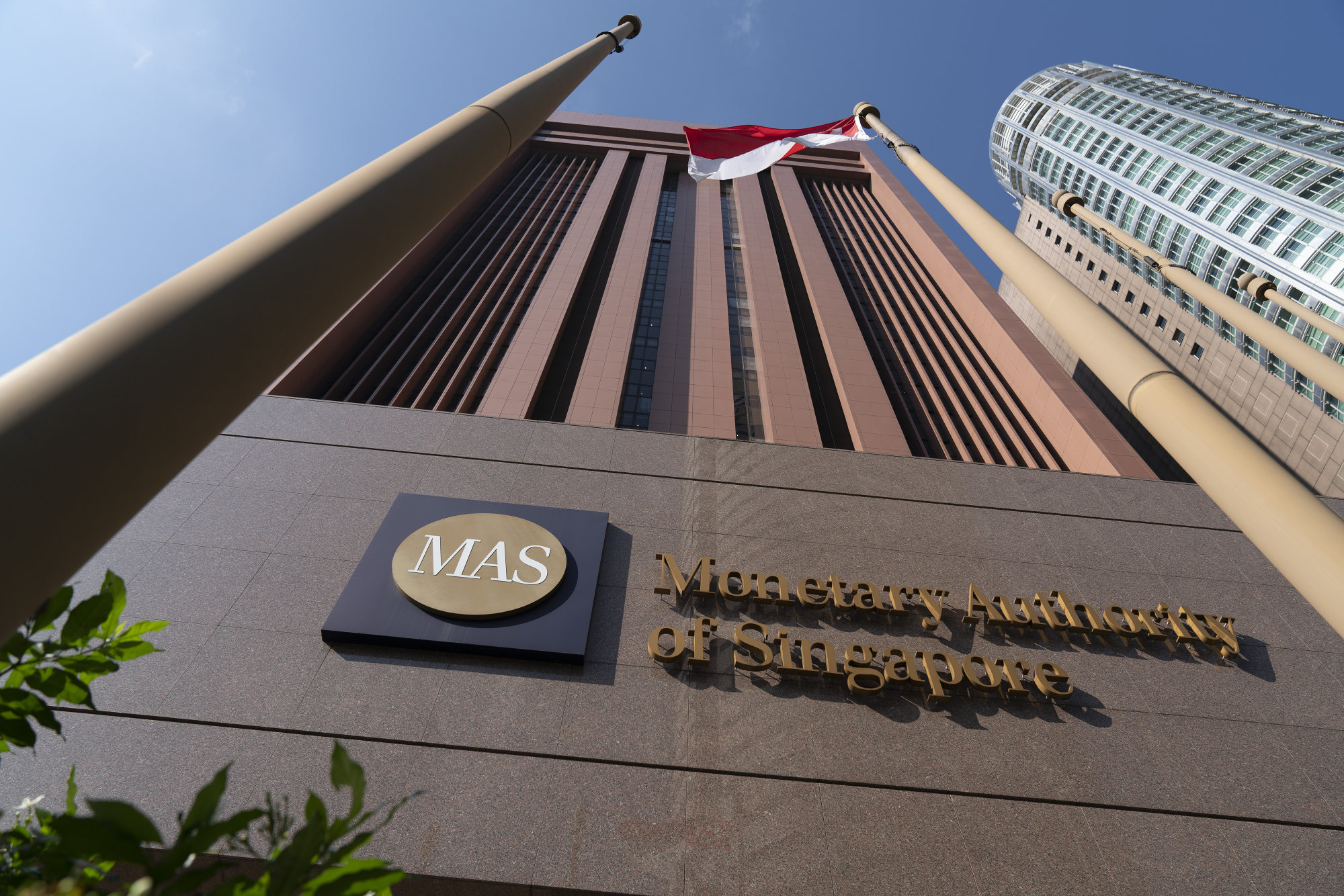
The Monetary Authority of Singapore building in Singapore. Photo: Bloomberg

The Monetary Authority of Singapore’s (MAS) regulations announced last week will apply to nonbank users of single-currency stablecoins pegged to the Singapore dollar, or any currency from the world’s 10 biggest economies, and would require issuers to maintain low-risk reserves and return par value to investors within five days of receiving a redemption request.

“The MAS seems to be paving the way for greater trust and potential formal integration of stablecoins into the banking system.

However, as these regulations are scheduled to come into effect in 2024, their precise impact on bank transactions will [need to] be monitored closely,” said Chen Zhuling, founder and CEO of crypto finance gateway RockX.

The central bank would need to hold legislative consultations before Parliament passes amendments that would bring the framework into force. The coins will be labelled as MAS-regulated stablecoin.

The distinction of having central bank-regulated stablecoins, as opposed to non-regulated cryptocurrencies, is likely to ease concerns about their stability that have curtailed their usage for physical transactions, analysts say.

Stablecoins have been the backbone for cryptocurrency trading and can potentially slash transaction costs associated with traditional banking systems to a nominal amount, while speeding up processing times to seconds.

But stablecoins have in the past failed to make inroads into mainstream financial systems because of a lack of transparency about their reserves.

Popular cryptocurrencies like bitcoin and ether tend to suffer from high price volatility. Photo: Reuters

Anndy Lian, author of the book NFT: From Zero to Hero, said Singapore’s guidelines could bridge the gap between fiat currrencies and digital assets.

“But this should not necessarily mean that banks will start to accept all kinds of cryptocurrencies. The volatility of other cryptocurrencies is still a red flag for many,” he said.

Popular cryptocurrencies like bitcoin and ether tend to suffer from high price volatility, whereas stablecoins tend to hold steady since they are linked to fiat currencies and other such assets.

Despite their relative safety, clamours for regulation of stablecoins grew after two such sister currencies – Terra and Luna, whose values were algorithmically pegged to the US dollar and not backed by cash – suddenly collapsed in May last year.

Singapore’s strict guidelines are meant to reassure both investors and institutions that could open new avenues for the asset class, industry executives say.

“Banks may even issue stablecoins for tokenised bank deposits as part of their rapidly developing digital transformations,” said Gerald Goh, co-founder and CEO of Sygnum Singapore, a digital assets fintech group.

“This model – fully regulated, traditional-asset backed and pegged to a high-quality ‘stable’ fiat currency like the Singapore dollar – has the potential to become a blueprint for the industry,” he added.

Do Kwon, the cryptocurrency entrepreneur who created the failed Terra stablecoin, is taken to court in handcuffs in Montenegro in March. Photo: Reuters

First among digital equals

Singapore’s stablecoin framework will put it among the first jurisdictions to have rules to prevent mishaps.

Rival financial hub Hong Kong is, meanwhile, undergoing a public consultation on stablecoins and seeks to introduce regulation for them next year.

The European Commission set the ball rolling with the Markets in Crypto-Assets (MiCA) regulation, which it introduced with the purpose of establishing a global benchmark for governing cryptos.

After being proposed by the commission in September 2020, the European Parliament approved the MiCA regulation on April 20. It is due to come into force for stablecoins from June 2024, and for other assets from December.

Anne-Sophie Cissey, head of legal and compliance at crypto firm Flowdesk, said the European legislation has set the tone for markets. “With clarification on the legal status, all crypto actors will feel more at ease to deal with those.”

Singapore’s regulation could speed up stablecoins adoption across the region, industry executives say.

“Regulators now collaborate with international entities, for example, MiCA’s announcement in Europe led to similar guidelines in various countries,” said Danny Chong, co-founder of online asset tracker Tranchess.

“This trend suggests that financial hubs like Singapore and Hong Kong should move towards converging rules. This convergence might take a few years to materialise, rather than happening immediately,” he said.

Hong Kong’s regulations are likely to follow Singapore’s soon, as it has been earnestly trying to woo crypto investors. In June, it introduced retail trading and licensing guidelines for crypto.

Many investors have already begun to gravitate towards tokenised assets.

“We are increasingly seeing more stablecoin adoption in Asia,” said Henry Zhang, founder and CEO of DigiFT, a Singapore-based decentralised digital asset exchange, adding that they were looking forward to introducing MAS-regulated stablecoins.

Tokenised US short-term bills have exploded to US$600 million this year, said Timo Lehes, co-founder of Swarm, a regulated decentralised finance platform based out of Germany, citing data from Coindesk.

The digital assets have also started making inroads past intermediaries in traditional financial channels, he said.

“We are already seeing applications taking tokenised forms of cash and financial products that cut out the middleman. In this new world, financial institutions will need to rethink financial product design that puts consumers at the heart,” Lehes said.

Central banks have laid the groundwork for cyptocurrency adoption with countries like China, India and Australia either planning to or having launched a central bank digital currency that can compete with stablecoins, said an industry executive.

“This will drive the choice and innovation needed in the market that will lead to mass adoption,” said Vincent Chok, CEO of Hong Kong finance firm First Digital.

Source: https://www.scmp.com/week-asia/economics/article/3231578/how-singapores-stablecoin-rules-could-boost-cryptos-mainstream-banking-role

Anndy Lian is an early blockchain adopter and experienced serial entrepreneur who is known for his work in the government sector. He is a best selling book author- “NFT: From Zero to Hero” and “Blockchain Revolution 2030”.

Currently, he is appointed as the Chief Digital Advisor at Mongolia Productivity Organization, championing national digitization. Prior to his current appointments, he was the Chairman of BigONE Exchange, a global top 30 ranked crypto spot exchange and was also the Advisory Board Member for Hyundai DAC, the blockchain arm of South Korea’s largest car manufacturer Hyundai Motor Group. Lian played a pivotal role as the Blockchain Advisor for Asian Productivity Organisation (APO), an intergovernmental organization committed to improving productivity in the Asia-Pacific region.

An avid supporter of incubating start-ups, Anndy has also been a private investor for the past eight years. With a growth investment mindset, Anndy strategically demonstrates this in the companies he chooses to be involved with. He believes that what he is doing through blockchain technology currently will revolutionise and redefine traditional businesses. He also believes that the blockchain industry has to be “redecentralised”.

j j j

Cryptocurrency firms struggle to find banking partners after US bank collapses- Where to next? Singapore? Switzerland? Hong Kong?

Cryptocurrency firms struggle to find banking partners after US bank collapses- Where to next? Singapore? Switzerland? Hong Kong?

Sources suggest that some cryptocurrency companies have turned to Cross River Bank as their preferred banking partner to address this issue

Recently, there have been reports indicating that cryptocurrency companies are facing challenges when finding banking partners. This issue has arisen following the collapse of two prominent US-based banks, namely Signature Bank and Silvergate Capital. As a result, many cryptocurrency firms struggle to secure banking services, causing significant problems for their operations.

Some cryptocurrency companies have turned to Cross River Bank as their preferred banking partner to address this issue. In particular, Circle Internet Financial Ltd. has moved its business to Cross River Bank from Silicon Valley Bank, where it had held $3.3 billion in assets. This move highlights the importance of finding a reliable banking partner for cryptocurrency companies, as they require access to banking services to conduct their business effectively.

The struggle to find banking partners for cryptocurrency companies underscores the challenges that these firms face as they navigate the fast changing landscape of digital currencies. While some banks are starting to embrace cryptocurrencies and offer banking services to these companies, many are still hesitant to do so. As a result, finding a banking partner that is willing to work with cryptocurrency companies is crucial to their success in the long run.

Where are some feasible countries? What are some challenges that we can foresee?

Switzerland

The collapse has forced the crypto industry to seek new banking partners, with some turning to offshore financial companies like Jewel and others looking to transfer their funds overseas. This has led several digital currency companies to turn to Swiss banks, as Switzerland has established a “Crypto Valley” in the region of Zug, which has favourable regulations and a supportive environment for blockchain and cryptocurrency companies.

Swiss banks are known for their confidentiality and discretion, which is important for the privacy-conscious crypto industry. Swiss banking services also offer a range of products and services that can be customised to the specific needs of crypto firms. This can include access to multiple currencies, secure digital storage, and international transactions.

Swiss banks have a strong reputation for stability and reliability, and the Swiss government has a long history of promoting the country as a financial hub. These factors make Switzerland a popular destination for businesses seeking secure and trustworthy banking partners. The combination of favourable regulations, a supportive environment, and a strong reputation for reliability and confidentiality make Swiss banking a good option for crypto firms.

In addition to Switzerland, several other countries are emerging as favourable locations for digital currency firms.

Singapore

One of these countries is Singapore, which has a well-established financial industry and has been actively exploring blockchain technology in various sectors. Singapore’s regulatory framework for digital currencies is relatively open, and the government has been supportive of blockchain-based businesses, making it an attractive destination for digital currency firms.

Singapore has not forbidden cryptocurrency like some other countries have, which has made it a popular location for crypto firms. In addition, the city-state has a robust financial infrastructure, making it an attractive option for banking. Crypto-friendly regulations: Singapore has taken a positive approach to the cryptocurrency industry, with the Monetary Authority of Singapore (MAS) providing clear guidance on the regulatory framework for crypto companies. In addition, the Payment Services Act was passed in 2019 to regulate digital payment tokens, including cryptocurrencies.

Singapore provides various benefits for crypto firms seeking to establish themselves in the region. The country’s banking system is highly developed and stable, with major global banks such as DBS and UOB operating there, providing a sense of security for crypto firms needing a reliable banking partner. Furthermore, Singapore’s strategic location in Southeast Asia grants easy access to major Asian markets, such as China and India, making it ideal for crypto firms looking to expand their business in the region. In addition, Singapore offers favourable tax policies, including a flat corporate tax rate of 17% and various tax exemptions and rebates, which is attractive for crypto firms seeking to reduce their tax burden.

Moreover, Singapore has a well-recognized reputation as an innovation hub focusing on developing cutting-edge technologies. This creates an innovation-friendly environment that can be particularly enticing for crypto firms searching for a supportive environment to grow and innovate. In summary, Singapore’s strong banking system, access to Asian markets, favourable tax policies, and innovation-friendly environment make it an attractive location for crypto firms looking to establish themselves in the region. Singapore’s well-regulated financial system can provide peace of mind for crypto firms looking to establish long-term banking relationships.

Malta

Another country that is gaining popularity among digital currency firms is Malta, which has established itself as a hub for blockchain and cryptocurrency businesses in Europe. Malta has taken proactive steps to attract digital currency firms, such as introducing a regulatory framework for digital currencies and establishing a government agency to oversee the sector. In addition, Malta has a favourable tax regime for blockchain-based businesses, making it a cost-effective location for digital currency firms.

Malta, an EU member state, has made efforts to attract cryptocurrency businesses, making it an attractive banking option for crypto firms. One reason is that Malta has proactively created a regulatory framework for the cryptocurrency industry. The country’s Virtual Financial Assets Act establishes a clear legal framework for cryptocurrency companies operating in Malta. It establishes a regulatory authority, the Malta Digital Innovation Authority, to oversee the industry and ensure compliance. Malta’s banking system is also stable, unlike the US-based Signature Bank and Silvergate Capital, which recently experienced major bank collapses. This stability can reassure crypto firms looking for a reliable banking partner. As an EU member state, Malta provides access to the EU’s single market, which can be beneficial for crypto firms looking to expand their business in Europe.

Malta’s pro-crypto attitude is another reason crypto firms should consider banking in the country. Malta has positioned itself as a “blockchain island” and has actively promoted the development of the cryptocurrency industry, attracting several major crypto companies to set up shop in Malta. Additionally, Malta offers tax benefits for businesses, including a low corporate tax rate of 35% and a refund system for foreign investors, which can provide additional tax benefits for crypto firms.

Other countries that digital currency firms consider include Gibraltar, Estonia, and Bermuda. Gibraltar has been working to establish itself as a “blockchain hub” and has taken steps to create a regulatory framework for the cryptocurrency industry. The country also offers attractive tax benefits. Liechtenstein: Liechtenstein has taken a proactive approach to regulate the cryptocurrency industry and has established a clear legal framework for the sector. The country also offers attractive tax benefits. Bermuda has also introduced a regulatory framework for digital currencies and has been actively exploring the use of blockchain technology in various sectors.

Challenges

While some countries clearly benefit from this saga, some face some challenges. Hong Kong has long been known as a financial hub in Asia, with a reputation for being friendly and open towards new businesses, including those in the cryptocurrency industry. However, recent banking challenges Hong Kong’s crypto firms face after the closure of Silvergate and Signature banks suggest that the city’s banking system may not be as ready as its government is making it out to be.

One of the biggest challenges Hong Kong’s crypto firms faces is the difficulty opening local bank accounts. According to industry insiders, banks in the city are not keen to serve crypto businesses, making it even harder for these firms to access banking services. This is a significant setback for Hong Kong, aiming to become a virtual asset hub. If the city’s banking system cannot support the needs of crypto businesses, it will be difficult for Hong Kong to achieve this goal.

One reason for the reluctance of banks in Hong Kong to serve crypto businesses may be due to regulatory uncertainty. Despite the government’s push to become a hub for virtual assets, there is still a lack of clear regulations in the space. This can make it difficult for banks to assess the risks associated with serving crypto businesses, leading them to err on the side of caution and avoid these clients altogether. This is not only happening in Hong Kong. It’s important to note that Swiss banks are also cautious when dealing with crypto firms, as cryptocurrencies carry risks and potential for money laundering. Due to regulatory pressure, some Swiss banks have already stopped offering services to crypto firms. Taking a careful stand is essential for the banks.

Another issue is the reputational risk associated with serving crypto businesses. While the cryptocurrency industry has come a long way in terms of legitimacy and mainstream acceptance, some still perceive it as a high-risk, unregulated sector. Banks that serve crypto businesses may be seen as supporting this perception, which could damage their reputation and lead to increased scrutiny from regulators.

The challenges Hong Kong’s crypto firms face highlight the need for the city’s banking system to become more accommodating towards the needs of this industry. While the government has made strides in promoting Hong Kong as a virtual asset hub, more must be done to ensure the city’s banking system is ready to support this goal. Clear regulations and guidance from regulators can help to provide banks with the clarity they need to serve crypto businesses. In contrast, education and outreach efforts can help to address the reputational concerns associated with the industry. Until these issues are addressed, Hong Kong’s ambitions of becoming a virtual asset hub may remain out of reach.

I hope this dilemma is short-term. Hong Kong being a financial hub close to China, would be a big plus for the crypto industry. Not only will we see an influx of Chinese tech talents into Hong Kong, but we will also be seeing huge capital inflows too.

Ending remarks

In conclusion, the regulatory landscape for cryptocurrency is constantly evolving and can vary significantly between countries. While some countries embrace cryptocurrencies and develop favourable regulatory frameworks, others remain sceptical and have introduced strict regulations or outright bans on cryptocurrency trading and related activities. As such, it is vital for cryptocurrency firms to carefully consider the regulatory framework and banking system in each country where they operate or plan to expand into. This includes evaluating the legal and tax implications and the risks and benefits associated with banking in each country.

As the recent struggles of cryptocurrency firms to find banking partners illustrate, it is also important to identify reliable banking partners willing to work with the firm and provide necessary banking services. This may involve conducting due diligence on potential banking partners and assessing their ability to meet the unique needs of cryptocurrency firms.

My humble takeaway message to all is this: While the growth potential of the cryptocurrency industry is significant, firms must navigate the regulatory and banking landscape carefully and strategically to ensure their long-term success. Given the uncertainties, it’s worth noting that each country has its own regulatory framework and banking system. Crypto firms should carefully consider the risks and benefits of banking in each country before making a decision.

by Anndy Lian


Source: https://www.financialexpress.com/business/blockchain/cryptocurrency-firms-struggle-to-find-banking-partners-after-us-bank-collapses-where-to-next-singapore-switzerland-hong-kong/3028866/

Anndy Lian is an early blockchain adopter and experienced serial entrepreneur who is known for his work in the government sector. He is a best selling book author- “NFT: From Zero to Hero” and “Blockchain Revolution 2030”.

Currently, he is appointed as the Chief Digital Advisor at Mongolia Productivity Organization, championing national digitization. Prior to his current appointments, he was the Chairman of BigONE Exchange, a global top 30 ranked crypto spot exchange and was also the Advisory Board Member for Hyundai DAC, the blockchain arm of South Korea’s largest car manufacturer Hyundai Motor Group. Lian played a pivotal role as the Blockchain Advisor for Asian Productivity Organisation (APO), an intergovernmental organization committed to improving productivity in the Asia-Pacific region.

An avid supporter of incubating start-ups, Anndy has also been a private investor for the past eight years. With a growth investment mindset, Anndy strategically demonstrates this in the companies he chooses to be involved with. He believes that what he is doing through blockchain technology currently will revolutionise and redefine traditional businesses. He also believes that the blockchain industry has to be “redecentralised”.

j j j