
The Binance Effect: What CZ’s Exit Means for Crypto Markets

The Binance Effect: What CZ’s Exit Means for Crypto Markets

Binance, the world’s largest cryptocurrency exchange by trading volume, has been facing a series of regulatory challenges in various jurisdictions since 2022.

The US Securities and Exchange Commission (SEC) and the Commodity Futures Trading Commission (CFTC) have both filed lawsuits against Binance and its CEO Changpeng Zhao, also known as CZ, for allegedly violating securities and derivatives regulations, among other charges.

They have also been fined by the Dutch Central Bank, the UK Financial Conduct Authority, and the Australian Securities and Investments Commission for offering crypto services without proper authorization.

In a not-so-surprising move (at least to me), CZ announced on November 21, 2023, that he was stepping down as the CEO and handing over the reins to Richard Teng, the former head of their non-US markets. CZ said that he made this decision to “focus on the bigger picture” and to “support the growth of the crypto industry as a whole”. He also said that he was confident in Teng’s leadership and that he would remain as the chairman of the board.

What does this mean for Binance? Is there any impact on the crypto industry?

CZ’s departure from the CEO role could have both positive and negative implications for Binance and the crypto industry. On the one hand, it could signal a shift in the company’s strategy to become more compliant with the regulators and to cooperate with the authorities to resolve the pending lawsuits. Teng, who has a background in traditional finance and regulation, could bring more credibility and stability to their operations and reputation.

He could also leverage his experience and network to expand it’s presence and partnerships in new and emerging markets, such as Africa, Latin America, and the Middle East.

On the other hand, CZ’s departure could also create some uncertainty and risk for Binance and the crypto industry. CZ has been the face and the voice since its inception in 2017. He has built a loyal and passionate fan base among the crypto community, who admire his vision, innovation, and charisma. He has also been a vocal advocate and defender of the crypto industry, often challenging the regulators and the critics on social media and in interviews.

When I looked online, some of his supporters felt disappointed by his decision to step down, and if not handled properly they may lose trust or interest in the exchange. Moreover, CZ’s departure could also create a power vacuum or a leadership crisis within, as Teng may face resistance or opposition from some of the existing executives or employees who are loyal to CZ or who have different views or agendas.

Based on what I know Teng, a fellow Singaporean is well respected by their English-speaking colleagues and has been making important decisions within the ecosystem for a while. I think there isn’t any major issue.

Paying the fine in this early stage is a good move for CZ. He is a free man. He is still the largest shareholder. This may also mean that BNB price will go up. Here’s why.

One of the reasons why CZ decided to step down as the CEO was to settle the lawsuits with the US regulators and to pay the fines that they imposed on him and the company. According to the Yahoo Finance, they have agreed to fork out a total of $4 billion to the SEC and the CFTC to resolve the allegations of operating unregistered exchanges, selling unregistered securities, mishandling customer funds, and violating derivatives rules. The settlement also includes a requirement for Binance to hire an independent monitor to oversee its compliance with the US laws and regulations. CZ has also agreed to pay $50 million and sentencing will occur at a later date.

Paying the fine in this early stage is a good move for several reasons. First, it could help them avoid a prolonged and costly legal battle that could drain their resources and damage their reputation. Second, it could help them restore their relationship and trust with the US regulators and the US market, which is one of the most important and influential in the crypto industry. Third, it could help them clear their name and reputation from the allegations and accusations that have been hanging over their heads for months. Fourth, it could help them focus on their core business and innovation, rather than on legal and regulatory issues.

By making this move, CZ is also freeing himself from the legal and regulatory burdens and risks that come with running a global crypto exchange. After all, he is still the largest shareholder, which means he still has a significant stake and influence in the company. He can also pursue other interests and projects that he is passionate about, such as philanthropy, education, research, or even launching a new venture. He can also continue to support and promote the crypto industry as a whole, as he said in his announcement.

This may also mean that BNB price will go up. Here is why.

BNB is the native token of Binance, which is used to pay for fees, access services, and participate in various activities on the exchange platform and ecosystem. BNB is also one of the most popular and widely used cryptocurrencies in the market, with a market capitalization of over $35 billion as of November 20, 2023, ranking fourth among all cryptocurrencies according to CoinMarketCap.

The price has been affected by the regulatory challenges and lawsuits that they have faced in the past year. It reached a high of $349 in April 2023, but then dropped to around $206 in October 2023, amid intensified scrutiny and pressure from the regulators. It has recovered somewhat since then, trading at around $253 as of November 21, 2023, but still below its peak level.

However, the BNB price could benefit from the settlement and the leadership change that has been announced. The settlement could remove the uncertainty and the downside risk that have been weighing on the price for months. It could also boost the confidence and the sentiment of the holders and investors, who may see the settlement as a positive sign of commitment and ability to comply with the regulators and to operate legally and legitimately in the US and other markets.

The leadership change could also create new opportunities and possibilities for Binance and BNB, as Teng may introduce new products, services, partnerships, and innovations that could increase the demand and the utility of the token.

Does that mean after paying the US, UK and many other countries will start doing the same and open another can of worms?

The settlement with the US regulators does not necessarily mean that they are off the hook from other countries that have also taken action against them. The settlement only covers the US jurisdiction and does not affect the ongoing investigations or proceedings in other countries, such as the UK, Germany, Japan, Singapore, and Canada.

They may still face legal and regulatory consequences in these countries, depending on the nature and severity of their alleged violations. They may also have to pay additional fines or penalties or comply with additional requirements or restrictions, in order to operate or offer their services in these countries.

The settlement with the US regulators could also have a positive effect on their relations with other countries. The settlement could demonstrate their willingness and ability to cooperate and compromise with the regulators and the authorities, and to take responsibility and accountability for their actions and mistakes.

The settlement could also set a precedent and a benchmark for other countries to follow, in terms of how to deal with Binance, and how to resolve their disputes or issues. The settlement could also encourage them to improve and enhance their compliance and governance standards, and to align their operations and activities with the local laws and regulations of the countries where they operate or offer their services.

In a nutshell

The recent developments surrounding Binance, including CZ’s decision to step down as CEO and the settlement with US regulators, undoubtedly provoke speculation about the future of Binance and the broader crypto industry. As CZ relinquishes his role, both positive and negative implications emerge for Binance’s trajectory.

This move could signify a strategic shift within Binance, aiming to embrace regulatory compliance and foster stability under Richard Teng’s leadership. Teng’s background in traditional finance and regulation might herald a more compliant and credible approach, potentially expanding Binance’s global presence.

However, CZ’s departure may also introduce uncertainties. His charismatic leadership and vocal advocacy for the crypto community have garnered a loyal following, raising concerns about potential trust erosion or a leadership vacuum within the exchange. Yet, based on the insights available, Teng’s leadership seems promising, garnering respect within the ecosystem and potentially mitigating any major disruptions.

Notably, CZ’s move to settle the lawsuits and pay fines signals a strategic decision to preempt prolonged legal battles. This resolution could restore trust with US regulators, essential for their operations within the influential US market, and may help repair their reputation marred by past allegations. Maybe start a brand new decentralized Web3 journey with their newly launched Web3 wallet product.

Nevertheless, the settlement only addresses US regulatory concerns, leaving unresolved legal matters in various other jurisdictions. Consequently, Binance may face continued challenges and potential penalties or restrictions in these regions, depending on ongoing investigations and the gravity of alleged infractions.

The impact of these recent developments extends beyond Binance itself. The settlement may set a precedent for how other countries approach Binance’s regulatory compliance and pave the way for improved governance standards within the crypto industry globally.

The burning question remains: Will other countries follow suit in demanding similar settlements from Binance, further complicating their legal landscape? The answer lies in the subsequent actions of global regulators, as each country’s response may significantly shape Binance’s future and the broader regulatory environment for cryptocurrencies worldwide.

As the crypto industry witnesses this pivotal moment, the repercussions of CZ’s departure and the settlement with US regulators continue to raise critical questions. How will these events influence Binance’s strategies, partnerships, and innovations moving forward? Can this settlement establish a framework for improved industry compliance on a global scale?

The coming days will provide clarity on the far-reaching implications of these recent events, not just for Binance but for the evolving landscape of cryptocurrency regulation worldwide.



Source: https://www.blockhead.co/2023/11/22/the-cz-effect-binances-overhaul-and-what-it-means-for-crypto-markets/

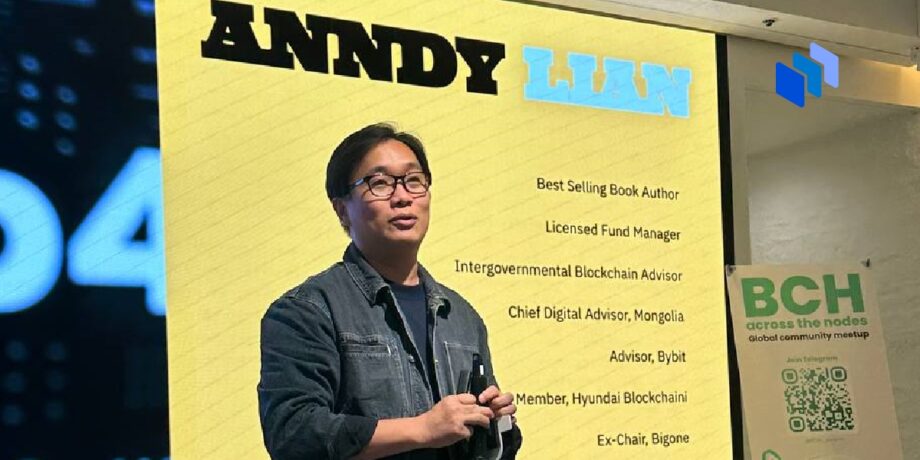
Anndy Lian is an early blockchain adopter and experienced serial entrepreneur who is known for his work in the government sector. He is a best selling book author- “NFT: From Zero to Hero” and “Blockchain Revolution 2030”.

Currently, he is appointed as the Chief Digital Advisor at Mongolia Productivity Organization, championing national digitization. Prior to his current appointments, he was the Chairman of BigONE Exchange, a global top 30 ranked crypto spot exchange and was also the Advisory Board Member for Hyundai DAC, the blockchain arm of South Korea’s largest car manufacturer Hyundai Motor Group. Lian played a pivotal role as the Blockchain Advisor for Asian Productivity Organisation (APO), an intergovernmental organization committed to improving productivity in the Asia-Pacific region.

An avid supporter of incubating start-ups, Anndy has also been a private investor for the past eight years. With a growth investment mindset, Anndy strategically demonstrates this in the companies he chooses to be involved with. He believes that what he is doing through blockchain technology currently will revolutionise and redefine traditional businesses. He also believes that the blockchain industry has to be “redecentralised”.
j j j

The Bright Future of Crypto: Anndy Lian’s Predictions for 2030

The Bright Future of Crypto: Anndy Lian’s Predictions for 2030

The year 2030 marks a pivotal era in finance where cryptocurrencies, once considered on the fringe and associated with speculation, have now become an integral part of the global economy.

That’s the view of Anndy Lian, who illuminated the factors that propelled this rapid surge in crypto’s acceptance in his enlightening closing speech at the Bitcoin Cash (BCH) Seoul Meetup. As we delve into the future, what obstacles and opportunities are expected to shape the trajectory of the crypto industry and its users?

The Surge in Cryptocurrency Adoption

Blockchain, the pioneering backbone of cryptocurrencies, has revolutionized how transactions are recorded and managed. Its innovative distributed ledger system stands as the linchpin behind the widespread adoption of cryptocurrencies. This groundbreaking technology securely logs transactions in an unchangeable, transparent manner, facilitating direct peer-to-peer exchanges without intermediaries. By bypassing middlemen, blockchain significantly reduces transaction costs and friction, ultimately enhancing efficiency and fostering greater trust among participants.

The evolution of blockchain technology has given rise to a rich array of crypto assets that extend far beyond just Bitcoin (BTC) and Ethereum (ETH). This spectrum includes stablecoins, utility tokens, security tokens, and non-fungible tokens, each designed with distinct functionalities. These assets serve a multitude of purposes, ranging from acting as a secure store of value to enabling seamless exchanges of digital assets, representing tangible real-world assets in a digital format, granting access to decentralized applications (DApps), and enabling ownership of unique digital collectibles.

Forecasts from a comprehensive study conducted by Grand View Research, Inc. paint a compelling picture of the future trajectory of the global cryptocurrency market. The study predicts that by 2030, the market is poised to burgeon to an impressive USD 4,600 billion. This anticipated growth reflects a robust annual expansion rate of 7.1% from 2021 to 2030.

Escalating demands from both retail and institutional investors drive such exponential growth. Additionally, the integration of blockchain technology across a diverse spectrum of industries plays a pivotal role in transforming how businesses operate and transactions are conducted.

Furthermore, the backing of supportive regulations in specific nations contributes significantly to this upward surge, fostering an environment conducive to the flourishing of cryptocurrencies and their associated technologies.

Rising Popularity and Mainstream Embrace

The rise in awareness and understanding among the general populace stands as a pivotal driver behind the soaring popularity of cryptocurrencies. More and more individuals are gaining insights into the potential advantages that cryptocurrencies offer, including their role in fostering financial inclusivity, empowerment, privacy, and autonomy. This increasing knowledge has propelled the uptake of cryptocurrencies.

The availability of diverse platforms and services has played a crucial role in expediting the adoption of cryptocurrencies. These platforms encompass exchanges facilitating crypto trading, wallets for securely storing digital assets, and lending platforms offering innovative financial services within the crypto sphere. Their widespread availability has simplified access for newcomers and seasoned users alike, fueling the growth of cryptocurrency adoption on a global scale.

Forecasts by some analysts, such as Boston Consulting Group (BCG), Bitget, and Foresight Ventures, present an astonishing forecast: surpassing one billion crypto users by 2030. This exponential surge is fueled by a historic growth rate of 63.2% annually.

A multitude of factors contribute to this anticipated surge in crypto users. Notably, the expanding reach and influence of flagship cryptocurrencies like Bitcoin and Ethereum, the emergence of groundbreaking trends like decentralized finance (DeFi) and non-fungible tokens (NFTs), institutional involvement through specialized crypto products, and endorsements by influential personalities collectively drive the mass adoption of cryptocurrencies.

These factors, coupled with the continuous evolution and innovation within the crypto space, are poised to reshape the financial landscape and solidify cryptocurrencies’ position as a mainstream and transformative force in the global economy.

Decentralization: Pillar of Web3

Decentralization serves as the fundamental and revolutionary aspect of cryptocurrencies, defining a system where control isn’t centralized but shared among participants. This concept applies to networks, protocols, or data structures where power and accountability are distributed. It encourages collaboration through consensus mechanisms and economic models that reward cooperative actions.

At the heart of Web3 lies the vision for a next-generation internet constructed upon blockchain and related distributed technologies. Decentralization within Web3 aims to create a more open, fair, and democratic web environment. In this paradigm, users gain increased control and ownership over their data, identity, and digital assets. This shift in power dynamics allows individuals to have a greater say in how their information is used and shared.

Web3’s impact extends beyond mere ownership; it facilitates the development of decentralized applications (DApps), which operate on distributed networks, ensuring greater transparency and security. Smart contracts, encoded within these networks, execute predefined actions autonomously based on predefined conditions, fostering trustless and transparent transactions.

Governance mechanisms within Web3 enable decentralized decision-making processes, allowing stakeholders to actively participate in the management and evolution of the network or platform. Furthermore, the rise of decentralized finance within Web3 has disrupted traditional financial systems, providing innovative and accessible financial services without the need for intermediaries.

Looking ahead, the evolution into Web4 is envisioned, aiming to integrate the physical and digital realms more seamlessly. This next evolution would merge technologies such as artificial intelligence (AI), virtual reality (VR), and the Internet of Things (IoT) into a cohesive ecosystem, further blurring the boundaries between the physical and digital worlds.

The underlying premise of decentralization within Web3 paves the way for a future where users have increased sovereignty over their digital lives, fostering a more transparent, inclusive, and interconnected global landscape.

Challenges and Opportunities Ahead

Despite significant advancements, the landscape of cryptocurrencies faces persistent challenges. The lack of clear regulations across different regions poses substantial risks and obstacles for users, developers, and businesses involved in the crypto space. Additionally, ensuring the robust security and scalability of crypto networks remains a top priority, especially considering the intricate technical intricacies involved.

Addressing these challenges also involves bridging educational gaps and streamlining adoption processes, which are crucial components for realizing the full potential of cryptocurrencies. Simplifying the understanding of cryptocurrencies and their usage can significantly contribute to their widespread acceptance and integration into mainstream use.

Amidst these hurdles, numerous opportunities arise. The collaborative spirit and innovative drive within the crypto community continue to foster groundbreaking advancements and enhance accessibility. This collective creativity holds the potential to empower individuals who are unbanked or marginalized, providing them with access to financial services and opportunities previously unavailable to them.

The transformative impact of cryptocurrencies extends beyond just finance, permeating various industries. Cryptocurrencies have the potential to disrupt traditional models, offering novel solutions that are peer-to-peer and decentralized. These alternatives challenge existing norms, creating avenues for more inclusive, transparent, and equitable systems across different sectors.

The Bottom Line

Cryptocurrency transcends its technical aspects; it symbolizes a movement advocating for transparency, fairness, and democracy. It embodies a cultural shift fostering innovation, collaboration, and diversity. Envisioning a future where everyone has equal access to and benefits from the digital economy is at the core of this vision.

Looking ahead to 2030, one can anticipate crypto’s continued growth, evolution, and the navigation of new challenges and prospects. Its impact will endure, shaping not only the future of currency but also becoming a cornerstone in shaping finance, the web, and the global landscape as a whole.


Source: https://www.techopedia.com/anndy-lian-looking-ahead-to-cryptos-future-in-2030

Anndy Lian is an early blockchain adopter and experienced serial entrepreneur who is known for his work in the government sector. He is a best selling book author- “NFT: From Zero to Hero” and “Blockchain Revolution 2030”.

Currently, he is appointed as the Chief Digital Advisor at Mongolia Productivity Organization, championing national digitization. Prior to his current appointments, he was the Chairman of BigONE Exchange, a global top 30 ranked crypto spot exchange and was also the Advisory Board Member for Hyundai DAC, the blockchain arm of South Korea’s largest car manufacturer Hyundai Motor Group. Lian played a pivotal role as the Blockchain Advisor for Asian Productivity Organisation (APO), an intergovernmental organization committed to improving productivity in the Asia-Pacific region.

An avid supporter of incubating start-ups, Anndy has also been a private investor for the past eight years. With a growth investment mindset, Anndy strategically demonstrates this in the companies he chooses to be involved with. He believes that what he is doing through blockchain technology currently will revolutionise and redefine traditional businesses. He also believes that the blockchain industry has to be “redecentralised”.

j j j

Looking ahead 2030 – How crypto will shape the future of finance

Looking ahead 2030 – How crypto will shape the future of finance

The year is 2030. The world has changed dramatically in the past decade, especially in the field of finance. Cryptocurrencies, once considered a niche and speculative asset class, have become mainstream and widely adopted by millions of people around the world. What are the factors that have contributed to this rapid growth and popularity of crypto? And what are the challenges and opportunities that lie ahead for the crypto industry and its users?

One of the main drivers of crypto adoption is the innovation and development of the underlying technology, blockchain. Blockchain is a distributed ledger that records transactions in a secure, transparent, and immutable way. It enables peer-to-peer transactions without intermediaries, reduces costs and friction, and enhances efficiency and trust.

Blockchain has enabled the creation and proliferation of various types of crypto assets, such as Bitcoin, Ethereum, stablecoins, utility tokens, security tokens, non-fungible tokens (NFTs), and more. These assets have different use cases and value propositions, such as store of value, medium of exchange, digital representation of real-world assets, access to decentralized applications (DApps), and ownership of digital collectibles.

According to a study conducted by Grand View Research, Inc., the global cryptocurrency market size is expected to reach USD 11.71 billion by 2030, expanding at a compound annual growth rate (CAGR) of 7.1% from 2021 to 2030. The study attributes this growth to the increasing demand for crypto assets among retail and institutional investors, the growing adoption of blockchain technology in various sectors, and the supportive regulatory environment in some countries.

Popularity and Mainstream Adoption

Another factor that has boosted crypto adoption is the increasing awareness and education among the general public. More people are becoming familiar with the benefits and potential of crypto, such as financial inclusion, empowerment, privacy, and sovereignty. Crypto adoption is also facilitated by the availability and accessibility of various platforms and services, such as exchanges, wallets, payment processors, lending platforms, and more.

According to a report on Github, it is estimated that the number of crypto users will reach one billion by 2030, based on a historical growth rate of 63.2% per year. The report also identifies the key drivers of crypto adoption, such as the growth of Bitcoin and Ethereum, the emergence of DeFi and NFTs, the launch of institutional products and services, and the endorsement of celebrities and influencers.

Decentralization: The Core of Web3

One of the most significant and revolutionary aspects of crypto is decentralization. Decentralization means that no single entity or authority controls or governs the network, the protocol, or the data. Instead, the power and responsibility are distributed among the participants, who are incentivized to cooperate and coordinate through consensus mechanisms and economic models.

Decentralization is the core of Web3, the next generation of the internet that is built on blockchain and other distributed technologies. Web3 aims to create a more open, fair, and democratic web, where users have more control and ownership over their data, identity, and digital assets. Web3 also enables the development of new types of applications and services that are decentralized, peer-to-peer, and censorship-resistant.

Some of the examples of Web3 applications and services are:

  • Decentralized Applications (DApps): These are applications that run on a decentralized network, such as Ethereum, and use smart contracts to execute logic and transactions. DApps can provide various functions and features, such as gaming, social media, e-commerce, and more.
  • Smart Contracts: These are self-executing contracts that are encoded on the blockchain and perform actions based on predefined rules and conditions. Smart contracts can facilitate trustless and transparent transactions, such as escrow, swaps, and auctions.
  • Governance and DAOs: These are mechanisms and organizations that enable the collective decision-making and management of a network, a protocol, or a project. Governance and DAOs allow the stakeholders to propose, vote, and implement changes and improvements, such as upgrades, parameters, and policies.
  • DeFi: This is a term that refers to the decentralized and open financial system that is enabled by blockchain and smart contracts. DeFi aims to provide alternative and innovative financial services and products, such as lending, borrowing, trading, investing, and saving, without intermediaries or intermediaries.
  • Web4: This is a term that refers to the future evolution of the web, where the physical and digital worlds are integrated and augmented by technologies such as artificial intelligence, virtual reality, and the internet of things. Web4 will enable new forms of interaction, communication, and expression, such as immersive experiences, holograms, and avatars.

Challenges and Opportunities

Despite the remarkable progress and potential of crypto, there are still many challenges and uncertainties that need to be addressed and overcome. Some of the main challenges are:

  • Regulation and Compliance: The legal and regulatory status of crypto varies widely across different jurisdictions and regions. Some countries have adopted a friendly and supportive approach, while others have imposed bans or restrictions. The lack of clarity and consistency in regulation and compliance can pose risks and barriers for crypto users, developers, and businesses.
  • Security and Scalability: The security and scalability of crypto networks and platforms are essential for ensuring the reliability, performance, and user experience of crypto. However, there are still many technical and operational challenges and trade-offs that need to be solved and optimized, such as network congestion, high fees, hacking attacks, and human errors.
  • Education and Adoption: The education and adoption of crypto are crucial for achieving the vision and mission of crypto. However, there are still many gaps and obstacles that need to be bridged and overcome, such as the lack of awareness, understanding, and trust, the complexity and usability of crypto, and the resistance and inertia of the incumbents and the status quo.

On the other hand, there are also many opportunities and possibilities that crypto can offer and explore. Some of the main opportunities are:

  • Innovation and Development: The innovation and development of crypto are driven by the creativity and collaboration of the crypto community, which consists of diverse and talented individuals and groups from various backgrounds and disciplines. The crypto community is constantly experimenting and iterating on new ideas and solutions, such as layer-2 protocols, interoperability standards, and privacy-enhancing technologies.
  • Inclusion and Empowerment: The inclusion and empowerment of crypto are enabled by the accessibility and affordability of crypto, which can reach and serve anyone with an internet connection and a smartphone. Crypto can provide financial and social inclusion and empowerment to the unbanked and underbanked, the marginalized and oppressed, and the aspiring and ambitious.
  • Transformation and Disruption: The transformation and disruption of crypto are manifested by the impact and influence of crypto on various sectors and industries, such as finance, media, art, and gaming. Crypto can transform and disrupt the existing models and paradigms, such as intermediation, centralization, and monetization, and create new and better alternatives, such as peer-to-peer, decentralized, and tokenized.

Conclusion

Crypto is not just a technology, a currency, or an asset. It is a movement, a culture, and a vision. It is a movement that aims to create a more open, fair, and democratic world. It is a culture that values innovation, collaboration, and diversity. It is a vision that imagines a future where everyone can participate, contribute, and benefit from the digital economy.

As we look ahead to 2030, we can expect crypto to continue to grow, evolve, and mature, and to face new challenges and opportunities. We can also expect crypto to shape the future of finance, and beyond. Crypto is not only the future of money, but also the future of the web, and the future of the world.


Source: https://www.financialexpress.com/business/digital-transformation-looking-ahead-2030-how-crypto-will-shape-the-future-of-finance-3310083/

Anndy Lian is an early blockchain adopter and experienced serial entrepreneur who is known for his work in the government sector. He is a best selling book author- “NFT: From Zero to Hero” and “Blockchain Revolution 2030”.

Currently, he is appointed as the Chief Digital Advisor at Mongolia Productivity Organization, championing national digitization. Prior to his current appointments, he was the Chairman of BigONE Exchange, a global top 30 ranked crypto spot exchange and was also the Advisory Board Member for Hyundai DAC, the blockchain arm of South Korea’s largest car manufacturer Hyundai Motor Group. Lian played a pivotal role as the Blockchain Advisor for Asian Productivity Organisation (APO), an intergovernmental organization committed to improving productivity in the Asia-Pacific region.

An avid supporter of incubating start-ups, Anndy has also been a private investor for the past eight years. With a growth investment mindset, Anndy strategically demonstrates this in the companies he chooses to be involved with. He believes that what he is doing through blockchain technology currently will revolutionise and redefine traditional businesses. He also believes that the blockchain industry has to be “redecentralised”.
j j j