Bybit and Digital Artist Per Kristian Stoveland Sell Out Exclusive Collection, Open Edition Sales Ongoing

Bybit and Digital Artist Per Kristian Stoveland Sell Out Exclusive Collection, Open Edition Sales Ongoing

Bybit, the world’s third most visited crypto exchange, have released their second digital art drop as part of their partnership with Oracle Red Bull Racing. The limited-edition collection of 200 NFTs were sold via Dutch auction on Sept. 20, and sold out within one hour for a total of 74.5 ETH ($168,434).

The collection: “Pursuit” by Per Kristian Stoveland, launched in conjunction with the Japan Grand Prix,and holders of the original Velocity Pass NFT had exclusive access to the auction. In the 24 hours since launch “Pursuit” has racked up over 106ETH ($113,433) in secondary sales. Sales of Per Kristian Stoveland’s open edition collection “Echo of Intensity” are ongoing on Bybit.

Per Kristian Stoveland, who designed the collection, is a generative artist hailing from Oslo, Norway. “Pursuit” is the second release as part of the Velocity Series, a revolutionary Web3 experience that brings together the talents of the world’s premier digital artists.

Drawing on his mastery of generative art and his innovative use of p5js, a creative coding framework, Per K’s collection encapsulates the raw power and velocity of Oracle Red Bull Racing’s RB19 race car. The collection is a symphony of light streaks that tear through desolate landscapes, igniting a captivating dance of dust. As part of the Velocity Series, “Pursuit” is curated in collaboration with AOI, a foundation for emerging art and technology.

“Bybit and Oracle Red Bull Racing are proud to pioneer the future of art and technology through the Velocity Series,” said Anndy Lian, head of partnerships at Bybit. “This collaboration transcends traditional boundaries, ushering in a new era where speed, creativity, and digital art harmoniously intersect.”

The Velocity Series showcases the intersection of cutting-edge innovation and creative expression, offering art enthusiasts, collectors, and racing fans the chance to engage with this fusion of art and racing data.

Bybit is a top-five cryptocurrency exchange established in 2018 that offers a professional platform where crypto investors and traders can find an ultra-fast matching engine, 24/7 customer service, and multilingual community support. Bybit is a proud partner of Formula One’s reigning Constructors’ and Drivers’ champions: the Oracle Red Bull Racing team.


Source: https://finance.yahoo.com/news/bybit-digital-artist-per-kristian-100000685.html

Anndy Lian is an early blockchain adopter and experienced serial entrepreneur who is known for his work in the government sector. He is a best selling book author- “NFT: From Zero to Hero” and “Blockchain Revolution 2030”.

Currently, he is appointed as the Chief Digital Advisor at Mongolia Productivity Organization, championing national digitization. Prior to his current appointments, he was the Chairman of BigONE Exchange, a global top 30 ranked crypto spot exchange and was also the Advisory Board Member for Hyundai DAC, the blockchain arm of South Korea’s largest car manufacturer Hyundai Motor Group. Lian played a pivotal role as the Blockchain Advisor for Asian Productivity Organisation (APO), an intergovernmental organization committed to improving productivity in the Asia-Pacific region.

An avid supporter of incubating start-ups, Anndy has also been a private investor for the past eight years. With a growth investment mindset, Anndy strategically demonstrates this in the companies he chooses to be involved with. He believes that what he is doing through blockchain technology currently will revolutionise and redefine traditional businesses. He also believes that the blockchain industry has to be “redecentralised”.

j j j

Exclusive: “Trust Me, Blockchain Adoption Is on the Rise,” Says Anndy Lian

Exclusive: “Trust Me, Blockchain Adoption Is on the Rise,” Says Anndy Lian

The Future of Blockchain

To get a clearer view of the evolution of blockchain in the next decade, as well as the opportunities and threats that the technology will create, we sat down with Anndy Lian, an inter-governmental blockchain expert and book author of Blockchain Revolution 2030.

Regulations and Policy Making

Q: Do you believe in the necessity of unified international laws and regulations regarding blockchain technologies to increase security regarding transactions and data management? 

A: That’s a very complex and controversial question. Blockchain technology is a global and decentralized phenomenon that challenges the traditional notions of sovereignty, jurisdiction, and regulation. Different countries have different approaches and attitudes toward blockchain and its applications, especially cryptocurrencies. Some are more supportive and proactive, while others are more restrictive and reactive. There is no global consensus or coordination on how to regulate blockchain technologies, which creates uncertainty and inconsistency for users, developers, and regulators.

Blockchain technology is a global and decentralized phenomenon that challenges the traditional notions of sovereignty, jurisdiction, and regulation.”

On one hand, some may argue that unified international laws and regulations are necessary to increase security and trust in blockchain transactions and data management. They may claim that harmonized standards and rules would prevent fraud, money laundering, tax evasion, cyberattacks, and other illicit uses of blockchain technologies. They may also suggest that a global regulatory framework would foster innovation, collaboration, and interoperability among blockchain stakeholders and create a level playing field for fair competition.

On the other hand, some may argue that unified international laws and regulations are not feasible or desirable for blockchain technologies. They may contend that blockchain is inherently resistant to centralized control and intervention and that imposing uniform regulations would stifle its diversity, creativity, and potential. They could also point out that different countries have different legal systems, cultures, and values and that imposing a one-size-fits-all approach would violate their sovereignty and autonomy.

Therefore, I think there is no simple or definitive answer to this question. My preference is no.

Anyway, it depends on one’s perspective, interests, and values. I think there are pros and cons to both sides of the argument and that finding a balance between regulation and innovation is a difficult but important challenge for the future of blockchain technologies.

Q: Will regulatory standards and governance undermine the decentralized nature of blockchain or ensure consumer data protection and fraud prevention? 

A: That’s another interesting question. I think it depends on the type and degree of regulation and governance that are applied to blockchain technologies. Some regulation and governance may be necessary and beneficial to ensure consumer data protection and fraud prevention, as well as to promote trust, transparency, and accountability in blockchain transactions and data management.

There is a trade-off between regulation and decentralization, and finding that optimal balance is not easy.”

However, excessive or inappropriate regulation and governance may undermine the decentralized nature of blockchain and compromise its advantages, such as efficiency, security, and innovation.

Therefore, I think there is a trade-off between regulation and decentralization and that finding the optimal balance is not easy. It may vary depending on the specific use case, context, and stakeholder of blockchain technologies. For example, some blockchain applications may require more regulation and governance than others, depending on the level of risk, complexity, and impact they involve. Similarly, some blockchain users may prefer more or less regulation and governance than others, depending on their preferences, expectations, and values.

I think the challenge is to design and implement regulations and governance that are flexible, adaptable, and responsive to the evolving needs and demands of blockchain technologies and their users. This requires a collaborative and participatory approach that involves all relevant actors, such as governments, regulators, developers, users, researchers, and civil society. This also requires a continuous learning and improvement process that monitors and evaluates the effects and outcomes of regulation and governance on blockchain technologies and their users.

Technological and Business Perspective

Q: What are the most crucial use cases of blockchain technology for the next decade? 

A: Money transfer and cross-border payments. Blockchain technology can enable faster, cheaper, and more secure transactions of money across borders without intermediaries or fees. Blockchain technology can also support the creation and adoption of cryptocurrencies, stablecoins, and CBDCs, which can offer alternative or complementary forms of money to traditional fiat currencies.

Data management and digital identity creation. Blockchain technology can provide a way to store, share, and verify data in a decentralized and immutable manner without relying on centralized authorities or intermediaries. Blockchain technology can also enable the creation and management of digital identities, which can give users more control, privacy, and security over their personal data and online activities.

Medical history digitization and personal identification security. Blockchain technology can help digitize and secure medical records, which can improve the quality and accessibility of healthcare services, as well as protect the privacy and confidentiality of patients. Blockchain technology can also help verify and authenticate personal identification documents, such as passports, driver’s licenses, or birth certificates, which can reduce fraud, identity theft, and human trafficking.
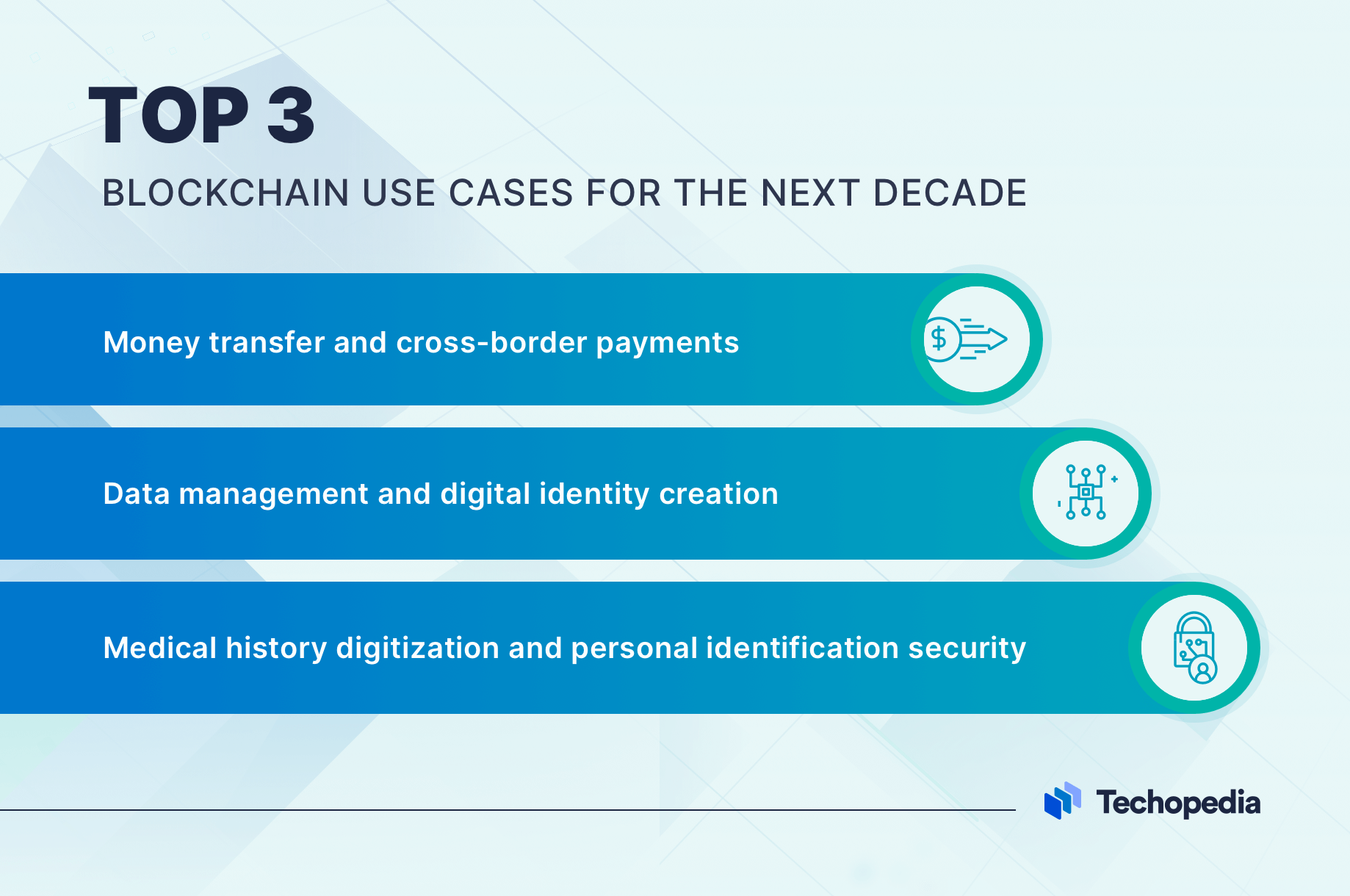
Top 3 Blockchain use cases

Q: Will smart contracts be highly adopted for trustless financial transactions and extended to stocks, bonds, futures, loans, mortgages, property rights, intellectual property, and other contracts?

A: Yes, smart contracts will be highly adopted for these purposes because they offer more efficiency, security, transparency, and innovation. They may claim that smart contracts can automate and streamline complex and repetitive processes, reduce transaction costs and risks, enhance trust and compliance, and enable new business models and opportunities. They may also suggest that smart contracts can empower users to have more control, choice, and participation in their financial activities.

Q: What opportunities does the convergence of artificial intelligence and blockchain bring? 

A: The convergence of artificial intelligence (AI) and blockchain will bring many opportunities for creating new products, services, and solutions that can benefit various domains and industries.

One of the opportunities is to create Web4, which is a term that refers to an intelligent and decentralized web ecosystem that leverages AI and blockchain technologies.

Web4 aims to overcome some of the limitations and challenges of the current web, such as centralization, privacy, security, scalability, and interoperability. It can enable more user-centric, democratic, and collaborative web applications that can empower users to have more control, choice, and participation in their online activities.

Economic Impact

Q: Will blockchain-based financial systems eventually replace traditional financial intermediaries? 

A: Blockchain-based financial systems are a relatively new and emerging phenomenon that aims to provide alternative or complementary solutions to traditional financial intermediaries, such as banks, brokers, and exchanges. Blockchain-based financial systems leverage the features of blockchain technology, such as decentralization, transparency, immutability, and programmability, to offer various financial services, such as payments, lending, trading, investing, and insurance.

Some examples of blockchain-based financial systems are cryptocurrenciesdecentralized exchanges (DEXs), decentralized finance (DeFi), and central bank digital currencies (CBDCs).


[There is a view that] blockchain-based financial systems will not replace traditional financial intermediaries but rather coexist or integrate with them.”


Some may argue that blockchain-based financial systems will eventually replace traditional financial intermediaries because they offer more efficiency, security, accessibility, and innovation. They may claim that blockchain-based financial systems can eliminate the need for intermediaries that charge fees, impose restrictions, create bottlenecks and introduce risks. They may also suggest that blockchain-based financial systems can empower users to have more control, choice, and participation in their financial activities.

However, others may argue that blockchain-based financial systems will not replace traditional financial intermediaries but rather coexist or integrate with them. They may contend that blockchain-based financial systems still face many challenges and limitations, such as scalability, usability, regulation, and adoption. In addition, they may point out that traditional financial intermediaries still provide valuable functions and services, such as trust, stability, compliance, and expertise.

Q: Will traditional financial service providers change their business model and embrace blockchain technologies? 

A: Yes, traditional financial service providers will change their business model and embrace blockchain technologies because they recognize the value and potential of blockchain technologies for improving their services, processes, and products.

They may claim that traditional financial service providers will adopt blockchain technologies to enhance their customer experience, reduce operational costs, comply with regulatory requirements, and gain a competitive edge. They could also suggest that traditional financial service providers will collaborate with blockchain startups, platforms, and networks to leverage their expertise, resources, and networks.

Q: Will companies that will tokenize their assets get a competitive advantage?

A: I think companies that will tokenize their assets will get a competitive advantage because they will be able to offer more attractive and innovative products and services to their customers, partners, and investors.

They may claim that tokenization of assets will enable companies to create new revenue streams, reduce operational costs, enhance customer experience and loyalty, and access new markets and investors. They could also suggest that the tokenization of assets will give companies an edge over their competitors, who are still using traditional methods of asset management and transfer.
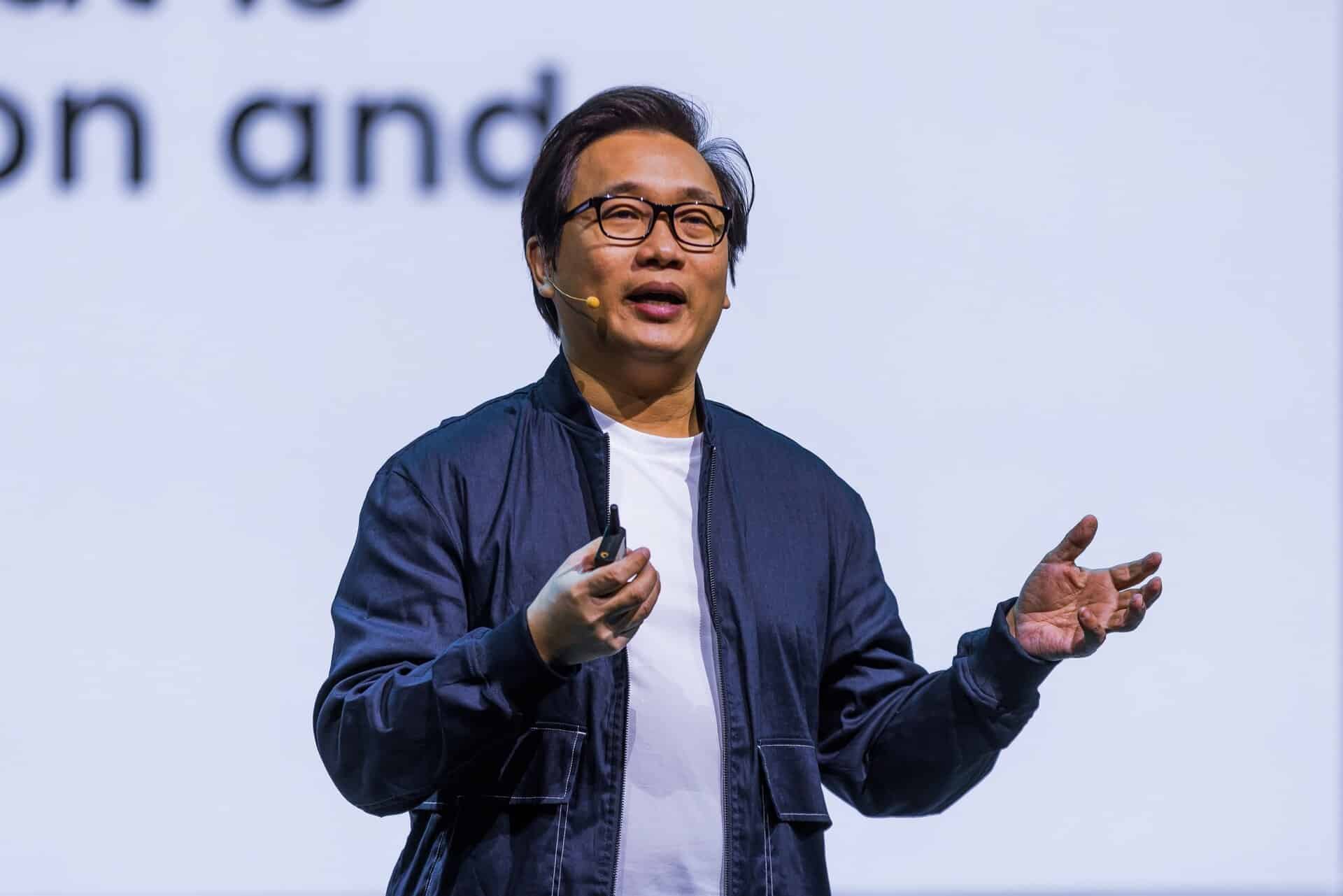
Anndy Lian

Socio Cultural Impact

Q: Will blockchain technology eventually get widespread adoption? Will people start using and exploiting its potential even without fully understanding how the underlying technology works?

A: It seems that blockchain technology is gaining momentum and recognition among business leaders, but it still needs to overcome some obstacles and uncertainties before it can achieve mass adoption.

Such challenges and risks as regulatory uncertainty, lack of standardization, scalability issues, interoperability problems, and cultural resistance may hinder the widespread adoption of blockchain technology in the near future.

According to a survey by Deloitte, almost 80% of global executives view blockchain as “very important,” and more than 60% of executives believe regulatory issues pose a barrier to blockchain adoption. Another survey by SpendMeNot found that 81% of the 100 largest public companies indicate they use blockchain technology, and 30% of executives believe China will become a blockchain leader by 2023.

As for whether people will start using and exploiting its potential without fully understanding how it works, I think that depends on how user-friendly and accessible the blockchain applications are. Some people may not need to know the technical details of how blockchain works as long as they can trust and benefit from its features. Others may want to learn more about the underlying technology and how it can empower them to create value and innovation.

Trust me. All these are in the works right now. You may not see it, but [blockchain] adoption is on the rise.

Q: We all use the Internet and email but never think about how it works. Will it eventually be the case with blockchain, or is a proper education and understanding of the underlying technology required? 

A: Blockchain will be used and implemented without informing you. This is already in the works. Some financial institutions and banks are using blockchain technology to clear the back-end functions that their customers initiate. They do not need to tell everyone about their adoption.

I think blockchain education is important for both users and developers of blockchain applications. Users need to be informed and empowered to use blockchain effectively and responsibly, while developers need to be skilled and innovative to create blockchain solutions that meet the needs and expectations of users.

Threats and Obstacles

Q: What are the major headwinds slowing down the development and further adoption of blockchain technologies?

A: Scalability. Blockchain networks can be slow and inefficient due to the high computational requirements needed to validate transactions. As the number of users, transactions, and applications increases, the ability of blockchain networks to process and validate them in a timely way becomes strained. This makes blockchain networks difficult to use in applications that require fast transaction processing speeds.

Regulation. Blockchain technology is subject to legal uncertainty and regulatory complexity, which can create barriers or conflicts for its adoption and enforcement. Different countries have different approaches and attitudes toward blockchain technology and its applications, especially cryptocurrencies. Some are more supportive and proactive, while others are more restrictive and reactive. There is no global consensus or coordination on how to regulate blockchain technology, which creates uncertainty and inconsistency for users, developers, and regulators.

Acceptance. Blockchain technology is still relatively new and unfamiliar to many people, who may not understand its benefits or trust its features. Blockchain technology also challenges the traditional notions of authority, intermediation, and control, which may create resistance or skepticism from some stakeholders. Blockchain technology requires a cultural shift and a mindset change for its adoption and acceptance.

Q: Sustainability is also a growing concern. Is blockchain able to enhance environmental sustainability?

A: Blockchain technology can enable more effective and accountable climate action initiatives, such as carbon markets, climate finance, or climate governance. Blockchain technology can also enable the creation and exchange of digital tokens that represent environmental values or assets, such as carbon credits, green bonds, or natural capital.

“Start With the Basics”

Q:  Anndy, what is your personal advice to those who haven’t yet delved into the world of cryptocurrencies and blockchain technologies? What is the starting point? 

A: Start with the basics. Before diving into the technical details or the latest trends, it is important to understand the fundamental concepts and principles of cryptocurrencies and blockchain technologies.

You can start by learning about what cryptocurrencies are, how they work, and why they matter. You can also learn about what blockchain technology is, how it works, and why it is revolutionary.

There are many online courses and resources available for learning about blockchain technology, as well as initiatives that support blockchain innovation in education. I think these are valuable opportunities for anyone who wants to learn more about blockchain and its potential impact.

You can follow Anndy for the latest industry updates on LinkedIn and Twitter.


Source: https://www.techopedia.com/the-future-of-blockchain-anndy-lian

Anndy Lian is an early blockchain adopter and experienced serial entrepreneur who is known for his work in the government sector. He is a best selling book author- “NFT: From Zero to Hero” and “Blockchain Revolution 2030”.

Currently, he is appointed as the Chief Digital Advisor at Mongolia Productivity Organization, championing national digitization. Prior to his current appointments, he was the Chairman of BigONE Exchange, a global top 30 ranked crypto spot exchange and was also the Advisory Board Member for Hyundai DAC, the blockchain arm of South Korea’s largest car manufacturer Hyundai Motor Group. Lian played a pivotal role as the Blockchain Advisor for Asian Productivity Organisation (APO), an intergovernmental organization committed to improving productivity in the Asia-Pacific region.

An avid supporter of incubating start-ups, Anndy has also been a private investor for the past eight years. With a growth investment mindset, Anndy strategically demonstrates this in the companies he chooses to be involved with. He believes that what he is doing through blockchain technology currently will revolutionise and redefine traditional businesses. He also believes that the blockchain industry has to be “redecentralised”.

j j j

EXCLUSIVE INTERVIEWS: Seasonal Insights on NFTs Past, Present, and Future (Part 2)

EXCLUSIVE INTERVIEWS: Seasonal Insights on NFTs Past, Present, and Future (Part 2)

Interviews with Jordan Belfort, Brock Pierce, Nifty Gateway, SuperRare, VaynerNFT, and other leaders in the NFT space.

The whir of people and activity, bright lights and decoration, and general festive air that used to punctuate the holiday season in the now-archaic shopping malls across the U.S. now seem replaced with the hustle and bustle of more NFTs coming to market. Every week brings news surprises directly to our inbox, for those of us who are on the mailing lists for new projects.

Multi-platinum recording artist, Pia Mia, came back from her stint as one of the judges at Miami Art Week inspired to release Birth of D1AD3MA, an NFT collection on OneOf which included the early release of her new song “Whole Thing”.

Sarah McDaniel, Playboy cover girl in 2016, dropped a limited edition of NFTs last week, this time not leveraging her image as a model, and only five of the 82 pieces have been collected. The NFTs are based on a short animated film, Kerfuffle. The difference in reception between Kerfuffle and her NSFW.app drops has not escaped McDaniel who said in a statement:

Looking to profit off crypto trading? Crypto traders just like you are getting profitable trades from Benzinga’s crypto research team! Click Here to See the Next Trade.

“My first NFT drop sold out in seconds because it leveraged my image and notoriety in the modeling world,” McDaniels said of her NSFW.app collection on OpenSea. “But the Kerfuffle drop has artistic power. It spotlights the empty culture and false beauty standards that generate a darker side to our society.”

Perhaps McDaniel anticipated the difference in responses – if so she made a Kerfuffle with the contrast in the drops themselves.

VaynerNFT, beyond supporting the very successful VeeFriends series, seems determined to dominate the space through sheer volume and variety of drops. This week they partnered with Coach on the launch of its first collection of NFTs featuring eight Coach Holiday animals.

VaynerNFT also released the Pepsi Mic Drop genesis NFT collection about which Gary Vayernchuk was naturally very enthusiastic:

“I love that Pepsi is embracing one of the most significant technology shifts of our lifetime. NFTs will change the culture of value creation forever; this is an exciting moment for the brand to build loyalty & bring immense value to its community & fans,” Vaynerchuk said.

But in the hubbub of holiday shopping for the latest and shiniest new certificates of digital ownership, we return to our review of the leading minds in the NFT space and their view, with all respect to Charles Dickens, on the spirit of NFTs past, present, and future.

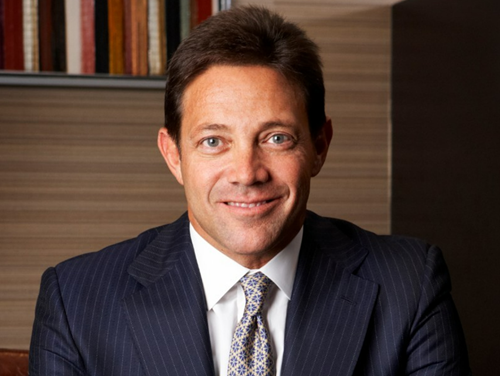
Jordan Belfort

Investor, Entrepreneur, Speaker, and Author

Past – What brought us here?

“I posted a tweet saying 2021 is the year of the NFT. And I got some pushback from people saying, no, this is just the beginningNext year is the year of the NFT. People are really passionate about this stuff.

I think it has to do more with what’s going on with web 3 and this push towards taking back power from centralized institutions. Web 2 is all about the big platforms like Amazon, Facebook, Google, Twitter, they organized what was this incredibly large, massive information that was web 1 and made it easy to use. But everyone that gave all the information lost power. Some people struck it rich, but most people didn’t make any money. They were the contributors and content creators, but they didn’t get compensated fairly for it.

So that I think what’s really underpinning this next movement where wealth is spread to the people who actually contribute to the creation of information. And what makes that possible is  NFTs. NFTs are like your authentication of ownership of any given asset or piece of information. They allow the individual to go out and create content, put it out into the world, and use smart contracts to get compensated for little bits of information over time…  it creates this landscape where the average person can start to get paid for creating content, and that’s what’s behind it.

I think it’s going to very quickly evolve… you’ll see many, many things tokenized – real estate, titles, and anything can really be tokenized, a great portion of the economy can be tokenized,” Belfort said.

See more: NFT Release Calendar

Present – What brought us here?

“I think that what you’re seeing right now is a hyper-growth phase. When you have this first wave of adoption there is a lot of FOMO (Fear Of Missing Out), and it’s speculative hot money… And we see that often happen early on and something gets hot.
And it’s because the hot money it’s a lot of speculative investments… Some projects are just looking for quick cash and those will probably fall by the wayside. But I think what you’re going to find is a lot of the better projects where there was something of value or some utility behind it, will continue to thrive over the long term…

I haven’t launched anything myself. I’ve been buying NFTs and I’ve been approached by everybody under the sun to launch NFTs, but I want the market to get a bit more mature. And also I’m looking to do something very special,” Belfort said.

Future

“At some point in the near future, the SEC is going to get involved in this space. They have to. I think what they’re going to be looking at is how many of these NFT projects are really about the future work of people who are essentially creating… value in a decentralized community. If they are not driving forward the value of a project, then that fails the Howey Test, which is what the SEC uses when they take action against someone.

So be very careful about getting involved in these projects that could really have the regulatory hammer come down on them in the next six months…  That doesn’t mean you shouldn’t do it, make your own decision, I think the NFT space is going to be massive in 2022. So there’s a lot of money to be made and a lot of fun to have there. Just be careful,” Belfort said.

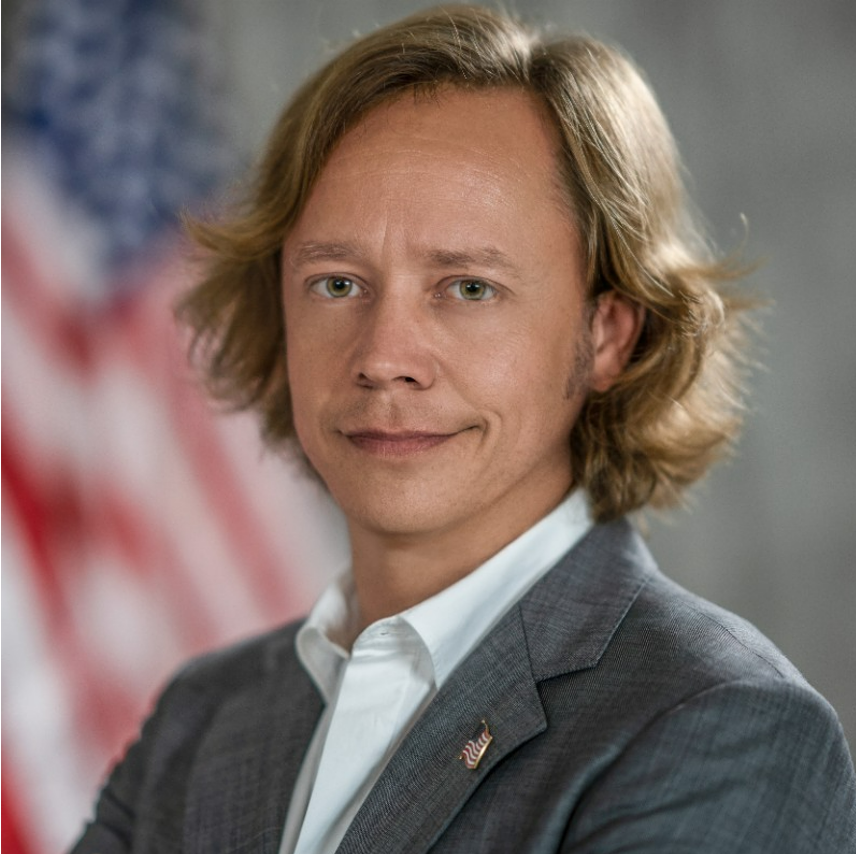
Brock Pierce

BROCK PIERCE, Bitcoin Foundation Chairman

Past & Present

“NFT has been the theme of the year and Webster’s Dictionary acknowledged it as the 2021 ‘Word of the Year.’  It has taken a few years to get to this point – ownership of digital art as NFTs first began a few years ago – but the enthusiasm surrounding NFTs is expanding the horizons and driving innovation surrounding the ownership of unique digital assets,” Pierce said.

Future

“Looking ahead, the market does need to have some caution and there will likely be a correction next year, in many of the NFT projects that are ‘hype’ and without real communities behind them.

There will, however, be many new projects launched, some of which will capture the right balance of innovation, community, and utility, and will drive interaction with DAOs and metaverses,” Pierce said.

Griffin Cock Foster

Co-founder of Nifty Gateway

NFTs past: What brought us to this incredible point in NFTs in 2021?

“Looking back, the most remarkable part isn’t that NFTs grew the way they did – it’s that it took so long for something like this to come into fruition. At Nifty Gateway, we’ve seen and worked with hundreds of artists who had enormous followings, creativity, and devotion, but were denied meetings at traditional art galleries. In hindsight, it’s clear that there was tremendous demand from the public to collect their work and participate more deeply in the communities they created. Blockchain innovation was just the technological breakthrough that allowed it to happen,” Foster said.

NFTs Present – what should people be focused on right now?

“Right now, as always, it’s essential for NFT projects to focus on the long term. Those of us who have been in crypto for a while have seen many swings up and down, but as a five-year average, things look quite rosy indeed. This level of volatility is not uncommon for breakthrough new technologies. If we look back, we saw tremendous volatility when the Internet was first introduced for commercial use in the 1990s, and going back much further, we saw tremendous volatility when oil was first discovered and put to use in the Pennsylvania oil fields of the 1870s,” Foster said.

NFTs Future – is the growth sustainable?

“I predict in 2022, we will continue to see growth.  However, I will also stick to the mantra that prediction is hard, especially about the future. It’s unclear what trends will dominate in 2022, and it’s unclear what to expect, other than the unexpected.

I believe that 10 years from now, NFT collecting and trading will be at least 100x more popular than it is today. It’s captured the art world – and that is only the first inning. We couldn’t be more excited for the future,” Foster said.

Avery Akkineni

President of VaynerNFT

NFTs past: What brought us to this incredible point in NFTs in 2021?

“2021 was a watershed year for NFTs, with millions of new users flocking into the space, driven by key culture-makers and moments – particularly across art, sports, entertainment, and gaming. This year, NFTs truly entered mainstream consciousness,” Akkineni said.

NFTs Present – what should people be focused on right now?

“Successful NFT projects have a few things in common – a dedicated community, elements of utility, and unique use of NFT technology. While there is no set formula for what works, community buy-in is the most important variable to success,” Akkineni said.

NFTs Future – is the growth sustainable?

“We’re still in the very, very early days of NFTs, and 2022 will bring a plethora of new NFT use cases. However, in the long-term, NFTs are here to stay, and in the short-term, we’ll see an advancement of current technology, particularly as a larger number of users engage in the NFT space,” Akkineni said.

John Crain

CEO of SuperRare Labs

NFTs past: What brought us to this incredible point in NFTs in 2021?

“2021 has been an incredible year for the space and we’ve seen more than $200M in sales on SuperRare. I think this growth has been driven by the popularization of digital art and creatives who have been looking for new business models that work in a digital context. What makes NFTs so compelling is that they create an ownership layer for digital objects… When we started in 2018 it was very challenging to get folks to understand what we were doing. This year has been so validating in that the general public started to understand and embrace the implications and vast potential of this new market,” Crain said.

NFTs Present – what should people be focused on right now?

“2021 has been such an incredible boom year, there is sure to be a market correction and we’re prepared for that. Going forward, I think NFT projects need to focus on creating value and expanding the ecosystem… We’ve seen a lot of newcomers and we need new tooling and new use cases, not more of the same ideas and models being rehashed,” Crain said.

NFTs Future – is the growth sustainable?

“Overall, I don’t see things contracting in 2022…  I believe that 2022 will be a year of utility, with the goal being to create a more general user-friendly experience. I think we’re going to see better display technologies including analog and digital. We’re also looking to create an easier onboarding experience, which will open up new opportunities for users without a lot of crypto experience (so they don’t need to manage a wallet for example.)  We are also excited to see the technology continue to expand to new industries like fashion, film, and music, which really took off in 2021,” Crain said.

More Leading Voices in NFTs

There are so many use cases for NFTs, just within art and collectibles alone, that it’s hard to give the full picture with a single chorus of voices, even in a two-part article.

For example, Desiree “aka Dzikt”, artist and co-founder of Girlfrens NFT collection sees NFTs as a means to raising money and awareness for charity, specifically for those afflicted with cancer.

“Looking at this through the lens of a charity-focused NFT project, this community piece is something that is often overlooked by newcomers but becomes the key element that draws people in and keeps them engaged… Millions are being raised for charity through NFTs, it is a completely new avenue for causes to receive funds and more are being onboarded into crypto every day through platforms like the Giving Block,” Desiree said.

But while Desiree and other non-profit NFTs we have written about see a chance to raise funds for charity, other project leaders see NFTs as just a step toward the realization of a digitally verified and decentralized metaverse.

To Ori Levi, CEO of NFTTrade, 2021 might well be the year of the metaverse’s inception as much as the year of NFTs.

“2021 was the year of the metaverse, the first presence of digital life, and although we are still far from a mainstream metaverse, NFTs presented, for the first time, the ability to have status and be a member of an elite group of people online…  GameFi presents a new opportunity for the world, and the NFTs associated and usable in games and metaverses can go for significant value if they can present a fun and scalable game. ,” Levi said.

Dylan Katz, CEO of 2CrazyNFT platform, looks forward to a future more even market where digital ownership and encounters are just as valid as RL assets and experiences.

“In the future, we can hope to see NTFs in another more reasonable market that is available to the overall population, and simultaneously these NFTS will be Just authentic. Eventually, our virtual encounters will become compelling partners to certifiable encounters,” Katz said.

Anndy Lian, Chairman, Asia at BigONE Exchange concurs as to the importance of the Metaverse in the future of NFTs.

“I think NFT is the key and connector. NFT + Metaverse, NFT + Defi, NFT + SocialFI are some combinations that will do well in 2022. There are still many combinations to come. So, stay creative and innovative in 2022. I foresee 2022 as a year for stronger adoption,” Lian said.

In what very well may be a world first, Artentik, the marketplace for Santa Casa da Misericordia de Lisboa (SCML), Portugal’s 500-year-old organization that serves as keepers of the Museum and Church of Sao Roque in Lisbon will be dropping what is believed to be a Holy Thorn from Christ’s Crown of Thorns as an NFT on December 27th. I suppose it’s not too early to begin to think about Easter – if you have that kind of foresight for the bunny day.


Original Source: https://www.benzinga.com/markets/cryptocurrency/21/12/24668097/exclusive-interviews-seasonal-insights-on-nfts-past-present-and-future-part-2

Anndy Lian is an early blockchain adopter and experienced serial entrepreneur who is known for his work in the government sector. He is a best selling book author- “NFT: From Zero to Hero” and “Blockchain Revolution 2030”.

Currently, he is appointed as the Chief Digital Advisor at Mongolia Productivity Organization, championing national digitization. Prior to his current appointments, he was the Chairman of BigONE Exchange, a global top 30 ranked crypto spot exchange and was also the Advisory Board Member for Hyundai DAC, the blockchain arm of South Korea’s largest car manufacturer Hyundai Motor Group. Lian played a pivotal role as the Blockchain Advisor for Asian Productivity Organisation (APO), an intergovernmental organization committed to improving productivity in the Asia-Pacific region.

An avid supporter of incubating start-ups, Anndy has also been a private investor for the past eight years. With a growth investment mindset, Anndy strategically demonstrates this in the companies he chooses to be involved with. He believes that what he is doing through blockchain technology currently will revolutionise and redefine traditional businesses. He also believes that the blockchain industry has to be “redecentralised”.

j j j