Anndy Lian: South Korea’s New Crypto Rules Bring Market Stability

Anndy Lian: South Korea’s New Crypto Rules Bring Market Stability

South Korea is a significant player in cryptocurrency and blockchain adoption — and has a regulatory framework that recognizes this.

One development on this journey is the Virtual Asset User Protection Act, representing South Korea’s first formal attempt to establish legal guidelines for the management and oversight of virtual assets, including cryptocurrencies.

In essence, the Virtual Asset User Protection Act defines virtual assets as digital representations of value that can be electronically traded or transferred and grants authority to the Financial Services Commission (FSC), the primary financial regulator in South Korea, to supervise and regulate the crypto sector effectively.

The regulations, scheduled to take effect on July 19, 2024, are designed to protect user assets and interests, prevent misuse and abuse, enhance transparency and accountability, and promote innovation and development, and we took a closer look during the proposal stage.

We sit down with intergovernmental blockchain expert Anndy Lian for a nuanced take on the new regulations.

Key Takeaways

  • The Virtual Asset User Protection Act marks South Korea’s first formal attempt to establish legal guidelines for managing and overseeing virtual assets, including cryptocurrencies.
  • The regulations take effect on July 19, 2024, aimed at protecting user assets and interests, enhancing transparency and accountability, and promoting innovation and development.
  • They are expected to have significant implications for both South Korea’s virtual asset market and those abroad — but may pose challenges for teams complying with the strict regulatory standards.
  • There is room for future developments, such as smart contract-based services like DeFi, Decentralized Autonomous Organizations (DAOs), and Web3.

Impact of South Korea’s Crypto Regulations

Q: How is the Virtual Asset User Protection Act applied internationally, and what impact could it have on virtual asset service providers outside of Korea?

A: The Act is going to have a significant impact on the virtual asset industry, both in South Korea and abroad.

The primary function of the Act is to protect the South Korean market and its users. I think it fits the purpose.

On one hand, it may enhance the credibility and legitimacy of the virtual asset market, as well as the protection and security of users.

On the other hand, it may also pose challenges and costs for VASPs [virtual asset service providers] to meet the strict regulatory standards and requirements — some VASPs may decide to exit the South Korean market or restrict their services to South Korean users, while others may seek to adapt and innovate to comply with the law.

If you look deeper into the Act, I think it is fair for everyone — this is very similar to traditional finance.

Q: Regarding financial investment services and the Capital Markets Act (FSCMA), could you explain the changes brought about by the Token Security Guidelines? What are the potential implications of these changes on the virtual asset market?

A: The implications of these guidelines are significant for the virtual asset market, as they will enable the issuance and circulation of security tokens within the legal boundaries of the capital market regulations.

This will facilitate the creation and trading of new and diverse rights, such as fractional shares, in the form of security tokens. It will also foster the development of small-scale OTC markets where atypical types of securities can be exchanged.

Moreover, the guidelines will ensure the protection of investors and the maintenance of market order, as security tokens will be subject to the same rules and regulations as traditional securities, such as mandatory disclosure, authorization, and prohibition of unfair trading activities.

I think this is a positive and progressive move by the South Korean authorities, as it will promote innovation and inclusion in the virtual asset market while safeguarding the participants’ interests. I hope other countries will follow suit and adopt similar regulatory frameworks for security tokens.

Strengths and Challenges of South Korea’s Rules

Q: How does the Digital Asset Framework Bill specifically regulate virtual/digital assets, and what are its advantages and challenges?

A: The advantages of this bill are manifold.

First, it will create a more transparent and predictable legal environment for the development and innovation of virtual/digital assets, which will attract more investment and participation from domestic and foreign entities.

Second, it will enhance the credibility and legitimacy of the virtual/digital asset market, which will increase the public trust and acceptance of these new forms of value and exchange.

Third, it will foster the integration and interoperability of virtual/digital assets with the existing financial system, which will enable more efficient and convenient transactions and services for users and businesses.

Fourth, it will contribute to the global leadership and cooperation of South Korea in the virtual/digital asset space, as it will align with the international standards and best practices set by organizations such as the Financial Action Task Force (FATF) and the G2014.

Q: And the challenges…?

A: First, it will require a careful and balanced approach to ensure that the regulation does not stifle the innovation and diversity of the virtual/digital asset market, which is constantly evolving and expanding.

Second, it will demand a high level of coordination and collaboration among various stakeholders, such as regulators, legislators, industry players, experts, and users, to ensure that the bill reflects the needs and interests of all parties involved.

Third, it will entail a continuous monitoring and evaluation of the impact and effectiveness of the regulation, as well as a timely and flexible adjustment of the rules and standards to cope with the rapid changes and challenges in the virtual/digital asset market.

I think this is a very important and timely initiative by the South Korean government, as it will provide a solid foundation and direction for the future of the virtual/digital asset market, which has a huge potential and value for society and the economy.

South Korea’s Digital Future

Q: How will the Virtual Asset User Protection Act contribute to market stability and investor protection? In your view, could it enhance the stability and transparency of the virtual asset market?

A: The Act will also establish a set of rules that virtual asset service providers (VASPs) are required to follow to ensure the protection of users’ assets, such as separating customers’ funds and virtual assets from their own, storing a certain proportion of virtual assets in cold wallets, having insurance or reserves for liability, and maintaining transaction records.

Moreover, the Act will confer the market oversight and sanctions authority to the Financial Services Commission (FSC), which will be able to punish unfair trading activities using virtual assets, such as insider trading, market manipulation, and fraud, with criminal penalties and fines.

I think it brings market stability and provides investor protection in several ways.

First, it will create a more transparent and predictable legal environment for the development and innovation of virtual assets, which will reduce uncertainty and risk for investors and users.

Second, it will enhance the credibility and legitimacy of the virtual asset market, which will increase public trust and confidence in these new forms of value and exchange.

Third, it will foster the integration and interoperability of virtual assets with the existing financial system, which will enable more efficient and convenient transactions and services for users and businesses.

Fourth, it will ensure the protection of users’ rights and interests, as well as the maintenance of market order, by imposing strict standards and obligations on VASPs and enforcing sanctions on violators.

Q: The Financial Services Commission excluded deposit tokens linked to NFTs, electronic bonds, mobile gift certificates, and CBDCs from the law. What do you think are the reasons behind this decision? In your view, does this effectively prevent virtual asset-related crimes?

A: In my view, excluding these types of tokens from the law does not necessarily prevent virtual asset-related crimes but rather clarifies the scope and applicability of the law to the relevant types of tokens that could pose potential risks or challenges to the financial system or the users.

The exclusion is very obvious as it overlaps with existing laws.

For a few examples, electronic bonds are tokens that represent the debt obligations of an issuer, such as a government or a corporation, to pay a fixed amount of interest and principal to the holders of the bonds.

These tokens are not considered virtual assets under the law because they are already regulated as securities under the existing capital market regulations and do not pose any additional risks or challenges to the financial system.

CBDC is a digital form of fiat currency issued by a central bank, which can be used as a legal tender for payments and settlements. CBDC is not considered as a virtual asset under the law, because it is a direct liability of the central bank, and does not involve any intermediaries or third parties that could pose any operational or security risks.

What Needs to Happen Next?

Q: There’s an opinion suggesting that while the Virtual Asset User Protection Act focuses mainly on asset segregation and unfair trading activities of virtual asset service providers, regulations on smart contract-based services such as DeFi, Decentralized Autonomous Organizations, and Web3 are inadequate.

How do you perceive this? What alternative methods do you see for the upcoming laws to provide more comprehensive regulations aimed at preventing user harm?

A: Personally, I think the current regulations are sufficient for the time being. We must understand that we are dealing with innovation, which changes very fast.

Putting up a base and having backup correction plans along the journey would be a more protective method for the South Korean market.

I think the best way to approach this issue is to adopt a balanced and flexible perspective that considers both the benefits and drawbacks of smart contract-based services and seeks to find a middle ground between regulation and innovation. Some possible alternative methods for the upcoming laws to provide more comprehensive regulations are:

  • Establishing clear and consistent standards and definitions for different types of smart contract-based services, such as decentralized finance (DeFi), DAOs, and Web3, and applying appropriate rules and requirements for each category.
  • Creating a sandbox or pilot program that allows for testing and experimenting with new and innovative smart contract services under certain conditions and exemptions and with regular monitoring and evaluation.
  • Encouraging collaboration and communication between regulators, developers, users, and other stakeholders to foster mutual understanding, trust, and feedback and to promote best practices and self-regulation.
  • Adopting a principles-based and risk-based approach that focuses on the outcomes and impacts of smart contract-based services rather than the specific processes and mechanisms and that applies proportional and tailored measures according to the level and nature of risk involved.


Source: https://www.techopedia.com/anndy-lian-south-koreas-new-crypto-rules-bring-market-stability


Anndy Lian is an early blockchain adopter and experienced serial entrepreneur who is known for his work in the government sector. He is a best selling book author- “NFT: From Zero to Hero” and “Blockchain Revolution 2030”.

Currently, he is appointed as the Chief Digital Advisor at Mongolia Productivity Organization, championing national digitization. Prior to his current appointments, he was the Chairman of BigONE Exchange, a global top 30 ranked crypto spot exchange and was also the Advisory Board Member for Hyundai DAC, the blockchain arm of South Korea’s largest car manufacturer Hyundai Motor Group. Lian played a pivotal role as the Blockchain Advisor for Asian Productivity Organisation (APO), an intergovernmental organization committed to improving productivity in the Asia-Pacific region.

An avid supporter of incubating start-ups, Anndy has also been a private investor for the past eight years. With a growth investment mindset, Anndy strategically demonstrates this in the companies he chooses to be involved with. He believes that what he is doing through blockchain technology currently will revolutionise and redefine traditional businesses. He also believes that the blockchain industry has to be “redecentralised”.

j j j

Understanding South Korea’s Enhanced Crypto Rules for User Protection

Understanding South Korea’s Enhanced Crypto Rules for User Protection

South Korea is one of the most advanced and active countries in the world when it comes to cryptocurrency and blockchain technology. It has a large and vibrant crypto community, with millions of users, investors, and traders, as well as hundreds of startups, exchanges, and service providers. They are also ranked top 10 in terms of crypto adoption and trading by many different sources.

However, South Korea is also a country that faces many challenges and risks in the crypto space, such as hacking, fraud, money laundering, tax evasion, and market manipulation. These issues have prompted the government and the regulators to take a more proactive and stringent approach to crypto regulation, in order to protect the users, the industry, and the society from potential harm.

In March 2023, the National Assembly passed the Virtual Asset User Protection Act, which marked the country’s first step towards creating a legal framework for crypto assets. The act defines virtual assets as digital representations of value that can be traded or transferred electronically, and sets out the basic rights and obligations of the users and the service providers. The act also gives the Financial Services Commission (FSC), the main financial regulator, the authority to oversee and supervise the crypto sector, and to issue detailed rules and guidelines for its implementation.

The FSC has been working on drafting and proposing various rules and regulations to supplement the act, and to address the specific and emerging issues in the crypto space. The latest proposal, which was announced on December 10, 2023, aims to enhance the consumer protection and the transparency of the crypto industry, by imposing new requirements and standards for the virtual asset service providers (VASPs), such as exchanges, wallets, and custodians.

The new rules, which are scheduled to take effect on July 19, 2024, are open for public comment until January 22, 2024. They are based on the following principles and objectives:

  • To protect the users’ assets and interests, by requiring the VASPs to segregate the users’ deposits from their own assets, and to hold sufficient reserves in cold wallets, which are offline and more secure than hot wallets, which are online and more vulnerable to hacking. The VASPs must also pay fees to the users for using their deposits, and provide insurance or mutual aid coverage, or a reserve fund, to compensate the users in case of losses or damages.
  • To prevent the misuse and abuse of the users’ assets and information, by prohibiting the VASPs from engaging in unfair or fraudulent practices, such as insider trading, price manipulation, false or misleading disclosures, or blocking the users’ withdrawals without justification. The VASPs must also comply with the anti-money laundering and counter-terrorism financing rules, and report any suspicious transactions to the authorities.
  • To enhance the transparency and accountability of the VASPs, by requiring them to disclose their ownership structure, business scope, risk management system, and financial statements, and to obtain a license from the FSC. The VASPs must also disclose if they own or hold any crypto assets, and report their transactions and balances to the FSC on a regular basis. The FSC has the power to inspect, audit, and sanction the VASPs for any violations or non-compliance.
  • To promote the innovation and development of the crypto industry, by providing a clear and consistent legal framework, and by encouraging the VASPs to adopt the best practices and standards in the global market. The FSC also plans to support the research and education on crypto and blockchain technology, and to foster the cooperation and communication among the stakeholders, including the government, the industry, the academia, and the civil society.

The new rules, however, do not cover some of the emerging and controversial aspects of the crypto space, such as non-fungible tokens (NFTs), decentralized finance (DeFi), and metaverse. NFTs are unique and indivisible digital tokens that represent various forms of digital or physical assets, such as art, music, games, or collectibles. DeFi is a term that refers to the decentralized and peer-to-peer applications and platforms that provide various financial services, such as lending, borrowing, trading, or investing, without intermediaries or central authorities. Metaverse is a term that describes the immersive and interactive virtual worlds that are powered by blockchain and other technologies, such as virtual reality, augmented reality, and artificial intelligence.

These aspects pose new challenges and opportunities for the crypto industry and the society, as they involve complex and novel issues, such as intellectual property rights, data privacy, consumer protection, taxation, governance, and social impact. The FSC has stated that it will monitor and study these aspects, and will consider introducing separate and specific rules and regulations for them in the future, in consultation with the relevant authorities and experts.

In my opinion, the new rules proposed by the FSC are a positive and necessary step for the crypto industry and the society in South Korea, as they aim to provide a more robust and comprehensive regulatory framework that can balance the interests and needs of the users, the service providers, and the regulators. The new rules can also enhance the credibility and legitimacy of the crypto sector, and can foster its growth and innovation, by aligning it with the global standards and trends.

However, I also think that the new rules are not sufficient and perfect, as they still leave some gaps and uncertainties in the crypto space, especially regarding the emerging and dynamic aspects, such as NFTs, DeFi, and metaverse. These aspects require more attention and research, as they have the potential to transform and disrupt various sectors and domains, such as culture, entertainment, education, healthcare, and governance. They also raise new ethical and social questions, such as the ownership, identity, and participation of the users and the creators, and the impact and influence of the virtual and the real worlds.

Therefore, I suggest that the FSC and the other authorities should adopt a more proactive and adaptive approach to crypto regulation, by engaging and consulting with the stakeholders and the experts from the crypto industry, academia, civil society, and international organizations, and by devising a regulatory framework that is based on evidence, research, and consensus. They should also create a conducive and enabling environment for crypto innovation and adoption, by providing legal clarity, certainty, and protection to the users, investors, and businesses, and by fostering a culture of education, awareness, and collaboration.

South Korea has a unique opportunity and potential to become a leader and an innovator in the crypto and the Web3 space, but it also faces a critical choice and a challenge. It can either embrace crypto and Web3 as a catalyst and a partner for growth and development, or it can reject them as a threat and a competitor for control and dominance. The former would open up new horizons and possibilities for South Korea and its people, while the latter would close them off and isolate them from the rest of the world. The choice is clear, but the challenge is not easy. South Korea needs to act fast and act smart, before it is too late.


Source: https://www.securities.io/understanding-south-koreas-enhanced-crypto-rules-for-user-protection/

What are the primary reasons behind South Korea's active role in cryptocurrency and blockchain technology?

South Korea's robust involvement in crypto and blockchain is due to its large and active community, which includes numerous users, investors, and startups. Ranked among the top 10 in global crypto adoption and trading, the nation's tech-savvy populace and vibrant ecosystem drive its pivotal role in this domain.

What recent regulatory steps has South Korea taken in the crypto space?

In March 2023, South Korea passed the Virtual Asset User Protection Act, a pivotal move towards establishing a legal framework for crypto assets. This act provides the Financial Services Commission (FSC) with oversight authority and empowers it to set detailed regulations for the crypto sector.

Could you highlight the objectives and principles of the latest crypto regulations proposed by the FSC in South Korea?

The FSC's recent proposal, scheduled for implementation on July 19, 2024, focuses on safeguarding user assets and interests, preventing misuse, enhancing transparency, and encouraging innovation in the crypto sector. Anndy Lian added that these measures aim to fortify consumer protection, align with anti-money laundering regulations, and foster a more accountable and secure environment.

What key areas do the new regulations in South Korea overlook in the crypto space?

Anndy Lian said that the proposed rules primarily address fundamental aspects and omit certain emerging areas like non-fungible tokens (NFTs), decentralized finance (DeFi), and the metaverse. These domains, with their complex issues surrounding intellectual property, privacy, and governance, necessitate further consideration for specific and tailored regulations.

How can South Korea maximize its potential in the crypto and Web3 space while addressing regulatory gaps?

South Korea's advancement in crypto and Web3 hinges on adopting an adaptive regulatory approach. Anndy Lian pointed out that collaboration between authorities, industry experts, and stakeholders will enable the creation of a robust, evidence-based framework. Embracing innovation, providing legal clarity, and fostering educational initiatives will propel the nation towards leadership in this transformative space.

Anndy Lian is an early blockchain adopter and experienced serial entrepreneur who is known for his work in the government sector. He is a best selling book author- “NFT: From Zero to Hero” and “Blockchain Revolution 2030”.

Currently, he is appointed as the Chief Digital Advisor at Mongolia Productivity Organization, championing national digitization. Prior to his current appointments, he was the Chairman of BigONE Exchange, a global top 30 ranked crypto spot exchange and was also the Advisory Board Member for Hyundai DAC, the blockchain arm of South Korea’s largest car manufacturer Hyundai Motor Group. Lian played a pivotal role as the Blockchain Advisor for Asian Productivity Organisation (APO), an intergovernmental organization committed to improving productivity in the Asia-Pacific region.

An avid supporter of incubating start-ups, Anndy has also been a private investor for the past eight years. With a growth investment mindset, Anndy strategically demonstrates this in the companies he chooses to be involved with. He believes that what he is doing through blockchain technology currently will revolutionise and redefine traditional businesses. He also believes that the blockchain industry has to be “redecentralised”.

j j j

How Singapore’s stablecoin rules could boost crypto’s ‘mainstream’ banking role

How Singapore’s stablecoin rules could boost crypto’s ‘mainstream’ banking role
  • Industry executives say the proposed rules by the Monetary Authority of Singapore are timely and will boost investor confidence
  • Recent moves by Hong Kong and Europe on rules governing stablecoins will also spur wider adoption of cryptocurrencies, according to the executives


The unpredictable price fluctuations of cryptocurrencies have been a make-or-break game for myriad investors across Asia for months.

However, only a handful of regional policymakers have ventured to integrate these volatile assets into the mainstream financial landscape.

Now, the latest move by Singapore’s central bank to introduce regulatory guidelines for stablecoins could prove to be a milestone for its rapid adoption in traditional channels like banks, analysts say.

Unlike other cryptocurrencies, stablecoins are viewed as safe haven assets as their values are pegged to traditional currencies or other assets such as government bonds and gold.

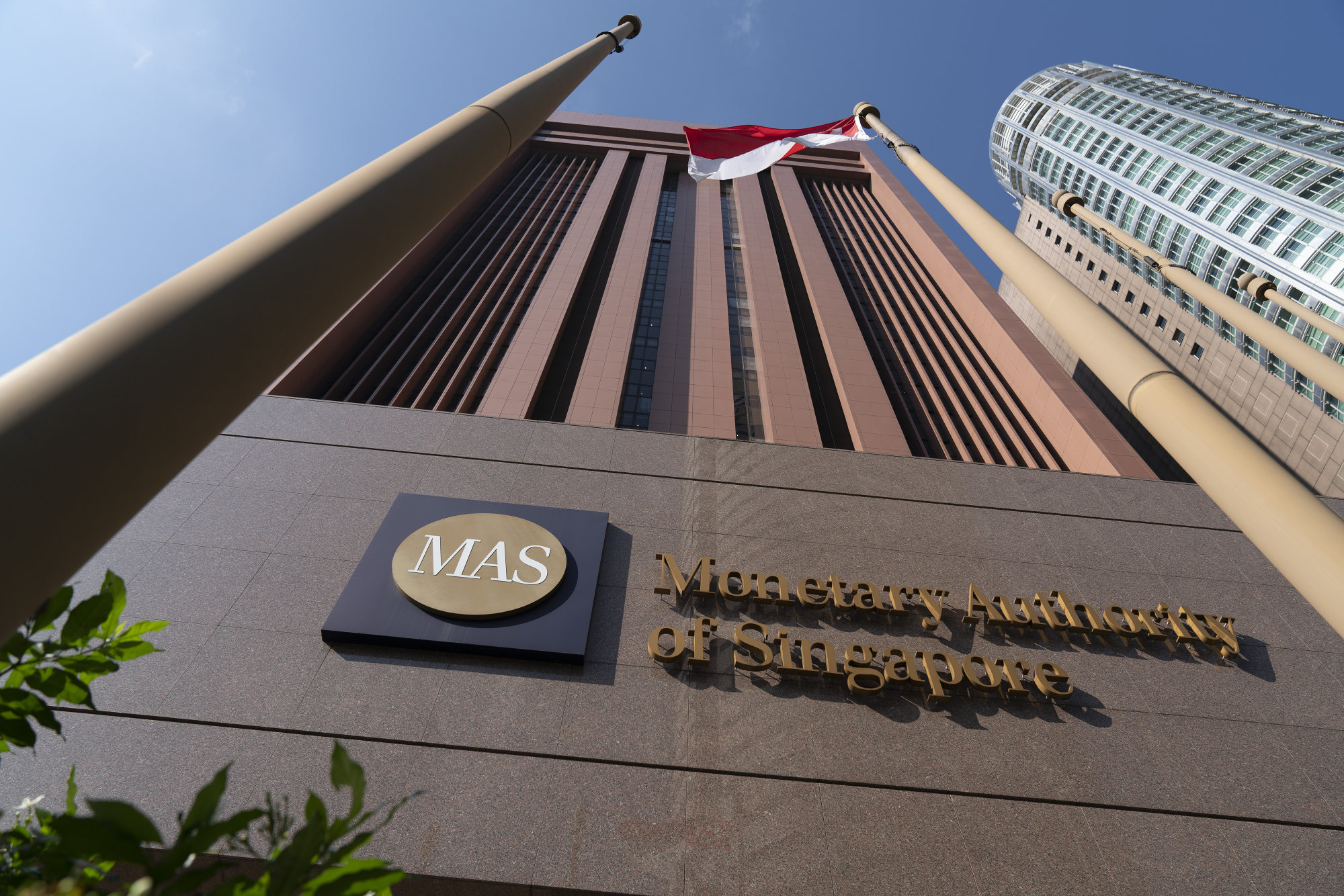
The Monetary Authority of Singapore building in Singapore. Photo: Bloomberg

The Monetary Authority of Singapore’s (MAS) regulations announced last week will apply to nonbank users of single-currency stablecoins pegged to the Singapore dollar, or any currency from the world’s 10 biggest economies, and would require issuers to maintain low-risk reserves and return par value to investors within five days of receiving a redemption request.

“The MAS seems to be paving the way for greater trust and potential formal integration of stablecoins into the banking system.

However, as these regulations are scheduled to come into effect in 2024, their precise impact on bank transactions will [need to] be monitored closely,” said Chen Zhuling, founder and CEO of crypto finance gateway RockX.

The central bank would need to hold legislative consultations before Parliament passes amendments that would bring the framework into force. The coins will be labelled as MAS-regulated stablecoin.

The distinction of having central bank-regulated stablecoins, as opposed to non-regulated cryptocurrencies, is likely to ease concerns about their stability that have curtailed their usage for physical transactions, analysts say.

Stablecoins have been the backbone for cryptocurrency trading and can potentially slash transaction costs associated with traditional banking systems to a nominal amount, while speeding up processing times to seconds.

But stablecoins have in the past failed to make inroads into mainstream financial systems because of a lack of transparency about their reserves.

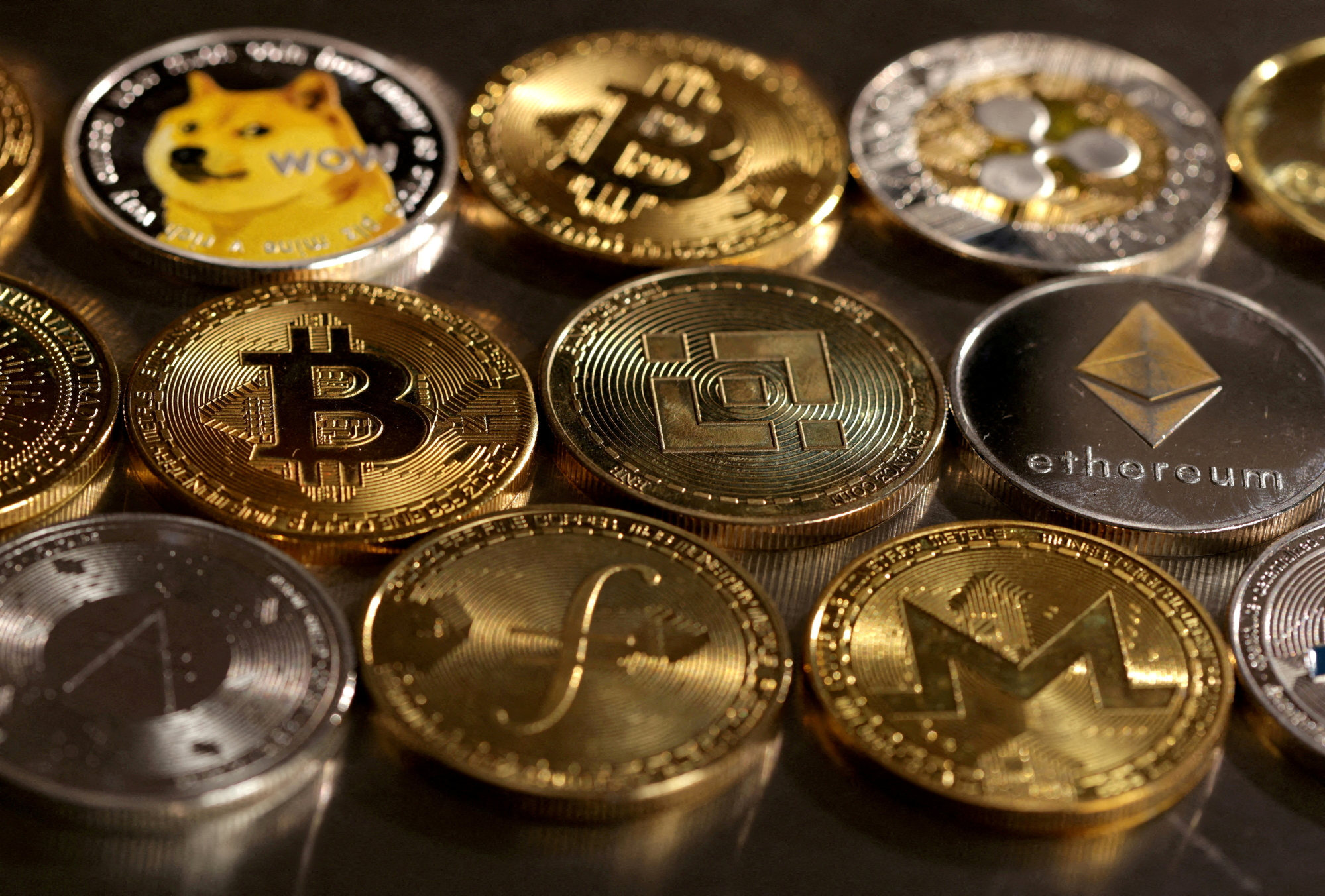
Popular cryptocurrencies like bitcoin and ether tend to suffer from high price volatility. Photo: Reuters

Anndy Lian, author of the book NFT: From Zero to Hero, said Singapore’s guidelines could bridge the gap between fiat currrencies and digital assets.

“But this should not necessarily mean that banks will start to accept all kinds of cryptocurrencies. The volatility of other cryptocurrencies is still a red flag for many,” he said.

Popular cryptocurrencies like bitcoin and ether tend to suffer from high price volatility, whereas stablecoins tend to hold steady since they are linked to fiat currencies and other such assets.

Despite their relative safety, clamours for regulation of stablecoins grew after two such sister currencies – Terra and Luna, whose values were algorithmically pegged to the US dollar and not backed by cash – suddenly collapsed in May last year.

Singapore’s strict guidelines are meant to reassure both investors and institutions that could open new avenues for the asset class, industry executives say.

“Banks may even issue stablecoins for tokenised bank deposits as part of their rapidly developing digital transformations,” said Gerald Goh, co-founder and CEO of Sygnum Singapore, a digital assets fintech group.

“This model – fully regulated, traditional-asset backed and pegged to a high-quality ‘stable’ fiat currency like the Singapore dollar – has the potential to become a blueprint for the industry,” he added.

Do Kwon, the cryptocurrency entrepreneur who created the failed Terra stablecoin, is taken to court in handcuffs in Montenegro in March. Photo: Reuters

First among digital equals

Singapore’s stablecoin framework will put it among the first jurisdictions to have rules to prevent mishaps.

Rival financial hub Hong Kong is, meanwhile, undergoing a public consultation on stablecoins and seeks to introduce regulation for them next year.

The European Commission set the ball rolling with the Markets in Crypto-Assets (MiCA) regulation, which it introduced with the purpose of establishing a global benchmark for governing cryptos.

After being proposed by the commission in September 2020, the European Parliament approved the MiCA regulation on April 20. It is due to come into force for stablecoins from June 2024, and for other assets from December.

Anne-Sophie Cissey, head of legal and compliance at crypto firm Flowdesk, said the European legislation has set the tone for markets. “With clarification on the legal status, all crypto actors will feel more at ease to deal with those.”

Singapore’s regulation could speed up stablecoins adoption across the region, industry executives say.

“Regulators now collaborate with international entities, for example, MiCA’s announcement in Europe led to similar guidelines in various countries,” said Danny Chong, co-founder of online asset tracker Tranchess.

“This trend suggests that financial hubs like Singapore and Hong Kong should move towards converging rules. This convergence might take a few years to materialise, rather than happening immediately,” he said.

Hong Kong’s regulations are likely to follow Singapore’s soon, as it has been earnestly trying to woo crypto investors. In June, it introduced retail trading and licensing guidelines for crypto.

Many investors have already begun to gravitate towards tokenised assets.

“We are increasingly seeing more stablecoin adoption in Asia,” said Henry Zhang, founder and CEO of DigiFT, a Singapore-based decentralised digital asset exchange, adding that they were looking forward to introducing MAS-regulated stablecoins.

Tokenised US short-term bills have exploded to US$600 million this year, said Timo Lehes, co-founder of Swarm, a regulated decentralised finance platform based out of Germany, citing data from Coindesk.

The digital assets have also started making inroads past intermediaries in traditional financial channels, he said.

“We are already seeing applications taking tokenised forms of cash and financial products that cut out the middleman. In this new world, financial institutions will need to rethink financial product design that puts consumers at the heart,” Lehes said.

Central banks have laid the groundwork for cyptocurrency adoption with countries like China, India and Australia either planning to or having launched a central bank digital currency that can compete with stablecoins, said an industry executive.

“This will drive the choice and innovation needed in the market that will lead to mass adoption,” said Vincent Chok, CEO of Hong Kong finance firm First Digital.

Source: https://www.scmp.com/week-asia/economics/article/3231578/how-singapores-stablecoin-rules-could-boost-cryptos-mainstream-banking-role

Anndy Lian is an early blockchain adopter and experienced serial entrepreneur who is known for his work in the government sector. He is a best selling book author- “NFT: From Zero to Hero” and “Blockchain Revolution 2030”.

Currently, he is appointed as the Chief Digital Advisor at Mongolia Productivity Organization, championing national digitization. Prior to his current appointments, he was the Chairman of BigONE Exchange, a global top 30 ranked crypto spot exchange and was also the Advisory Board Member for Hyundai DAC, the blockchain arm of South Korea’s largest car manufacturer Hyundai Motor Group. Lian played a pivotal role as the Blockchain Advisor for Asian Productivity Organisation (APO), an intergovernmental organization committed to improving productivity in the Asia-Pacific region.

An avid supporter of incubating start-ups, Anndy has also been a private investor for the past eight years. With a growth investment mindset, Anndy strategically demonstrates this in the companies he chooses to be involved with. He believes that what he is doing through blockchain technology currently will revolutionise and redefine traditional businesses. He also believes that the blockchain industry has to be “redecentralised”.

j j j