“The trend is obvious. Businesses are moving away” to markets like Dubai and Europe
With the exchange’s core market in Latin America, Lian says his firm has no plans to apply for a license in Singapore.
Binance had served as a litmus test for crypto firms looking to set up a base in Singapore
“Singapore is openly welcoming everybody, then openly rejecting almost everybody.” It “makes people think, ‘is Singapore not a place that I can set up? Is Singapore not a place for me to house myself’?”
While smaller crypto projects and decentralized autonomous organizations (DAOs) from Vietnam and Thailand still find Singapore an attractive location, more than half of “large exchanges” operating in Singapore no longer think that the city-state is a viable location for their Asia headquarters.
Binance’s departure simply hastened the exits of other crypto companies out of the city-state, which began six months ago.
Dubai’s openness has drawn a flood of crypto-natives to the city
Singapore’s success in the international markets and its ever-ready finance infrastructure is also known in the global markets. I want Singapore to maintain its lead in the crypto space too. As a Singaporean, I hope to see Singapore grow into that crypto hub for Asia.
Anndy Lian is an early blockchain adopter and experienced serial entrepreneur who is known for his work in the government sector. He is a best selling book author- “NFT: From Zero to Hero” and “Blockchain Revolution 2030”.
Currently, he is appointed as the Chief Digital Advisor at Mongolia Productivity Organization, championing national digitization. Prior to his current appointments, he was the Chairman of BigONE Exchange, a global top 30 ranked crypto spot exchange and was also the Advisory Board Member for Hyundai DAC, the blockchain arm of South Korea’s largest car manufacturer Hyundai Motor Group. Lian played a pivotal role as the Blockchain Advisor for Asian Productivity Organisation (APO), an intergovernmental organization committed to improving productivity in the Asia-Pacific region.
An avid supporter of incubating start-ups, Anndy has also been a private investor for the past eight years. With a growth investment mindset, Anndy strategically demonstrates this in the companies he chooses to be involved with. He believes that what he is doing through blockchain technology currently will revolutionise and redefine traditional businesses. He also believes that the blockchain industry has to be “redecentralised”.
(KTSG Online) – Singapore thu hút các doanh nghiệp khai thác và kinh doanh các đồng tiền mã hóa bởi chính sách cởi mở và rất rõ ràng. Sau khi Trung Quốc cấm hoàn toàn các hoạt động kinh doanh tiền ảo, các doanh nghiệp khắp nơi đã hăm hở kéo về miền đất hứa Singapore. Nhưng giờ đây, nhiều doanh nghiệp phát hiện rằng họ đang gặp nhiều khó khăn hơn tưởng tượng để hoạt động hợp pháp ở trung tâm tài chính này.
Đến cuối tháng 1-2022, Cơ quan tiền tệ Singapore (MAS) chỉ cấp phép cho năm công ty được phép kinh doanh tiền mã hóa: DBS Vickers Securities thuộc tổ hợp ngân hàng lớn nhất Đông Nam Á DBS Group Holdings, hãng fintech Fomo Pay, sàn giao dịch tiền số Independent Reserve của Úc, công ty thanh toán bằng tiền số Triple A và nền tảng giao dịch tiền số Coinhako.
Theo Channel News Asia, hơn 100 trong số khoảng 180 doanh nghiệp đăng ký giấy phép cung cấp “dịch vụ token thanh toán số” hiện đã bị từ chối hoặc rút đơn đăng ký.
Thường trong giai đoạn nộp đơn xin cấp phép, các doanh nghiệp được cấp quyền miễn trừ – hay kiểu giấy phép tạm thời – để họ có thể kinh doanh cho đến khi có giấy phép chính thức. Bộ trưởng cấp cao Tharman Shanmugaratnam nói với Quốc hội vào tháng 7-2021 rằng có 90 công ty hoạt động theo hình thức miễn trừ như vậy. Đến cuối tháng 12 vừa rồi, trang web của MAS cho thấy chỉ còn khoảng 70 hãng có giấy phép tạm thời.
Quá trình cấp phép, quản lý quá nghiêm ngặt
Phần lớn các công ty đang đối mặt tương lai bất định, hoạt động theo giấy phép miễn trừ đặc biệt, nhưng tất cả đều trong tâm trạng chán nản vì quá trình xét duyệt của nhà chức trách.
Vào đầu tháng 9, Cơ quan tiền tệ Singapore (MAS) đã ra lệnh cho Binance, một trong những sàn giao dịch tiền điện tử lớn nhất thế giới, ngừng cung cấp dịch vụ tại Singapore. Cuối tháng 12, MAS thông báo chi nhánh Singapore của Binance phải chấm dứt hoạt động và tất toán các tài khoản bằng đồng đô la Singapore và tài sản số khác trước ngày 13-2 tới. Hàng chục doanh nghiệp khác đang phải đối mặt với số phận tương tự.
Có trụ sở tại Dubai, sàn giao dịch tiền điện tử Bitxmi là một trong 103 công ty có tên trong danh sách mới nhất của MAS bị xóa bỏ quyền miễn trừ cho phép họ hoạt động ở Singapore. Mở chi nhánh ở Singapore vào cuối năm 2018, Bitxmi đã không thành công trong việc xin giấy phép chính thức.
“Chúng tôi không thể hoạt động ở Singapore. Chúng tôi có một văn phòng ở đó, nhưng chỉ là nhân viên phụ trách các vấn đề pháp lý và kế toán”, Giám đốc điều hành Sanjay Jain nói với Nikkei Asia. Ông cũng từ chối tiết lộ lý do vì sao công ty không được cấp phép.
MAS nói rằng họ ủng hộ sự đổi mới trong việc sử dụng công nghệ blockchain, làm nền tảng cho tiền điện tử, đồng thời cũng nhận ra những rủi ro.
“Tiền điện tử có thể bị lạm dụng để rửa tiền, tài trợ khủng bố hoặc phát triển vũ khí bất hợp pháp do tốc độ và tính chất xuyên biên giới của các giao dịch. Các nhà cung cấp dịch vụ mã token thanh toán số ở Singapore… phải tuân thủ các yêu cầu để giảm thiểu rủi ro như vậy, bao gồm cả việc phải thực hiện thẩm định khách hàng thích hợp, tiến hành đánh giá tài khoản thường xuyên, theo dõi và báo cáo các giao dịch đáng ngờ”, người phát ngôn MAS nói.
Rahul Advani, Giám đốc chính sách khu vực Châu Á – Thái Bình Dương tại công ty blockchain Ripple, nói rằng: “Chính sách của Singapore về tài sản kỹ thuật số đã giúp thành phố này trở thành một trong những quốc gia phát triển và trưởng thành nhất trong lĩnh vực này, giúp thúc đẩy sự phát triển và đổi mới trong ngành công nghiệp mới nổi”. Tuy nhiên, ông nói rằng các hoạt động có tính rủi ro cao cần phải giảm thiểu.
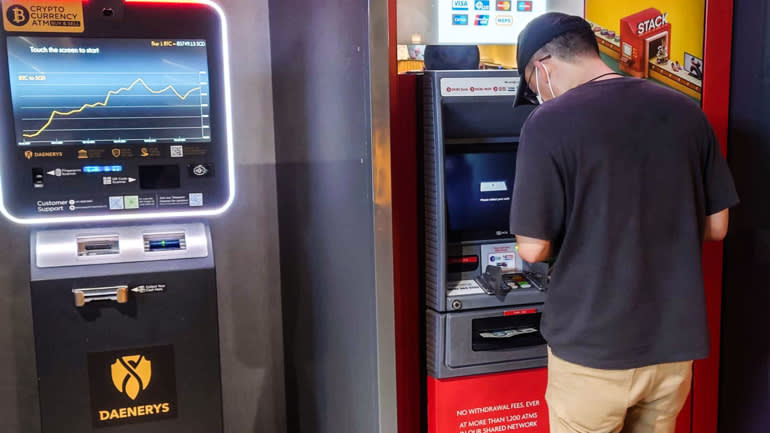
Những doanh nghiệp tiền mã hóa đua nhau có mặt ở Singapore gồm các nền tảng trao đổi để giao dịch bitcoin, ethereum và các mã token khác, thông qua các nhà quản lý đầu tư và cố vấn tài chính đang chăm sóc danh mục tài sản kỹ thuật số cho những người giàu có. Họ cũng có thể là doanh nghiệp giúp các doanh nghiệp khác chấp nhận thanh toán tiền điện tử.
Anndy Lian, chủ tịch của sàn giao dịch tiền điện tử có đăng ký tại Hà Lan BigONE Exchange, nói họ không có ý định xin giấy phép ở Singapore. “Toàn bộ quá trình để cấp giấy phép cũng không minh bạch lắm. Người ta có ấn tượng rằng chính phủ đang ủng hộ những công ty lớn và các sàn giao dịch nước ngoài”.
MAS đã không tiết lộ công khai lý do các hãng kinh doanh tiền điện tử không thể xin giấy phép. Nhưng một điều hiển nhiên là các hãng này không có đủ năng lực hoặc cơ sở hạ tầng để đáp ứng các quy định nghiêm ngặt do cơ quan quản lý tài chính đặt ra nhằm ngăn chận rửa tiền và tài trợ cho khủng bố.
Rachel Woolley, người đứng đầu bộ phận tội phạm tài chính của hãng cung cấp giải pháp quản lý khách hàng Fenergo, cho biết: “Tiền điện tử hiện đang được sử dụng để hợp pháp hóa các nguồn thu nhập từ tội phạm mạng, kinh doanh chất cấm, buôn người. Cơ quan lập chính sách đã lưu ý không gian này nhằm nỗ lực bảo vệ ngành dịch vụ tài chính mới”.
Giám đốc điều hành Ravi Menon của MAS nói rằng Singapore không cần đến 180 hãng hay sàn giao dịch tiền ảo. “Mọi chuyện có thể tốt hơn nếu một nửa trong số đó đáp ứng được các tiêu chuẩn rất cao”, Menon nói.
Hôm 17-1, MAS đã công bố các hướng dẫn yêu cầu các hãng kinh doanh tiền ảo ngừng việc tiếp thị hoặc quảng cáo ở nơi công cộng nhắm vào nhà đầu tư cá nhân, cả quảng cáo vật lý và quảng cáo số. MAS đã gọi các hoạt động kinh doanh các tài sản số là “yếu tố rủi ro rất cao và không thích hợp với công chúng”. Các công ty cũng không được phép dùng các nhân vật có ảnh hưởng với công chúng để quảng cáo và tiếp thị các hoạt động kinh doanh tiền ảo trên mạng xã hội.
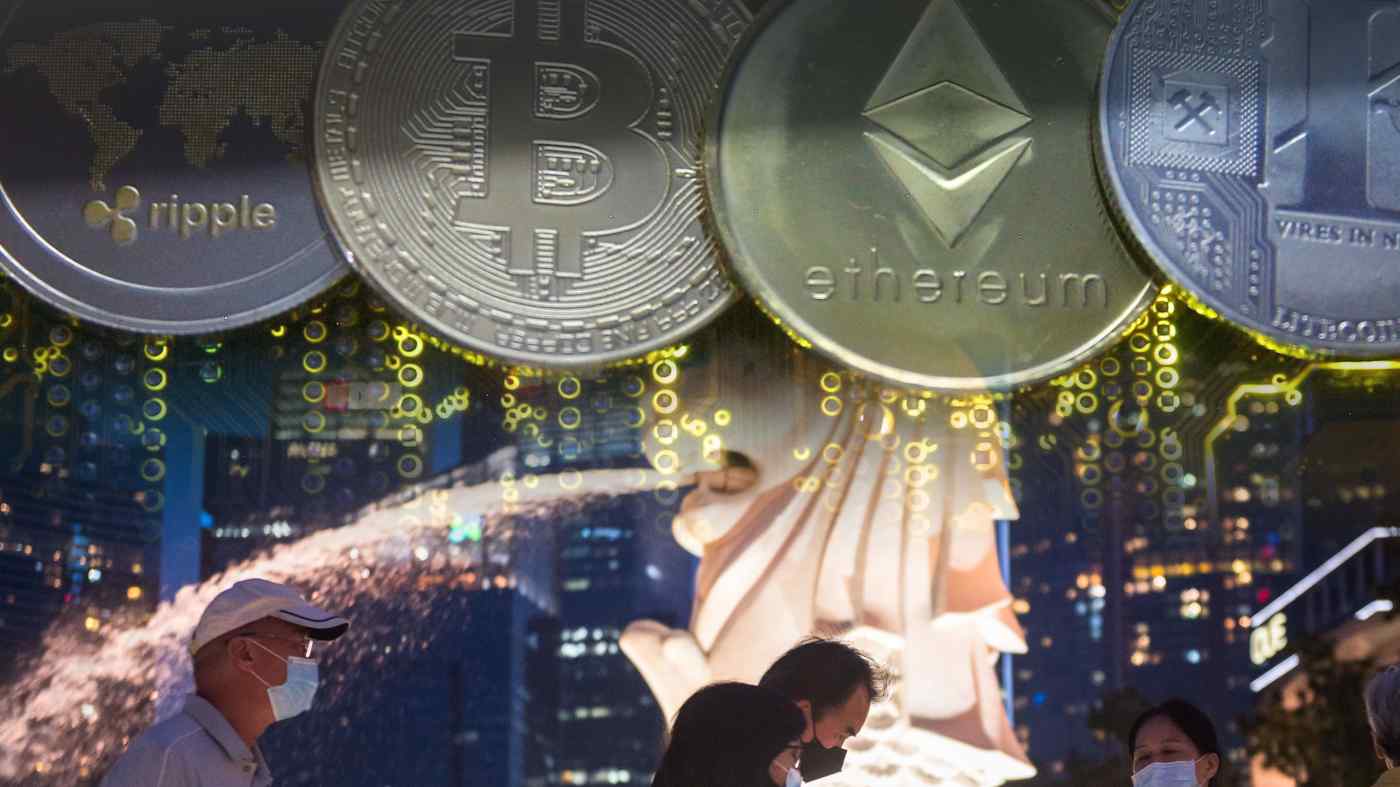
Các hãng tiền số rất hăm hở bước vào thị trường Singapore, đặc biệt sau khi Trung Quốc cấm hoàn toàn các hoạt động khai thác và kinh doanh tiền số. Nhưng đa phần sau đó cảm thấy thất vọng bởi chính phủ chỉ cấp phép rất nhỏ giọt. Ảnh: Getty Images / Reuters
Hình thức B2B, doanh nghiệp lớn được chuộng?
Để có được giấy phép, các sàn giao dịch phải thực hiện các quy trình đánh giá rủi ro, thẩm định khách hàng, lưu trữ hồ sơ, báo cáo giao dịch đáng ngờ, kiểm toán và đào tạo đúng tiêu chuẩn của MAS.
Nhưng chính các hãng được MAS cấp phép cũng khá mơ hồ về việc tại sao họ được cấp phép. “MAS không bao giờ đối thoại. Họ chỉ đặt ra câu hỏi, câu hỏi và câu hỏi mà thôi. Bạn có thể hỏi, nhưng họ sẽ không hồi đáp. Hầu hết các cơ quan quản lý đều như vậy”, CEO Eric Barbier của Triple A nói.
Barbier cho rằng MAS có vẻ chuộng hình thức B2B (doanh nghiệp phục vụ doanh nghiệp). “Đối với hình thức C2C (khách hàng với khách hàng), nguy cơ rửa tiền là rất cao. Vì vậy, người nộp đơn cần phải chứng minh với MAS rằng họ có đủ năng lực giảm thiểu tất cả những rủi ro đó một cách hợp lý”, Barbier giải thích.
Peiying Chua, đối tác quản lý tài chính của hãng luật Linklaters tại thị trường Singapore, nói rằng không có khả năng MAS đặc biệt ưu ái các hãng tài chính lớn đang có mặt trên thị trường. “Các lý do có thể khiến những người nộp đơn không thành công có thể bao gồm: thiếu lý lịch chuyên môn hoặc nhân sự chủ chốt không có đủ kinh nghiệm, không có mô hình kinh doanh bền vững hoặc các hồ sơ bất lợi nghiêm trọng liên quan đến giám đốc và các nhân sự chủ chốt”.
Quek Li Fei, đối tác của công ty luật CNPLaw, lại cho rằng: “Cách tiếp cận theo quy định của MAS ở một mức độ nào đó có thể kềm hãm sự đổi mới ở các doanh nghiệp nhỏ hơn và loại bỏ các nhà cung ứng dịch vụ tài sản ảo không thể tuân thủ các quy định”.
Nhưng ông lý luận rằng điều này “mang lại cách tiếp cận tư duy mở nhằm khuyến khích tinh thần sáng tạo và kinh doanh hợp pháp trong các doanh nghiệp tiền ảo và tài sản số, với mức độ bảo vệ hợp lý cho nhà đầu tư”.
Anndy Lian is an early blockchain adopter and experienced serial entrepreneur who is known for his work in the government sector. He is a best selling book author- “NFT: From Zero to Hero” and “Blockchain Revolution 2030”.
Currently, he is appointed as the Chief Digital Advisor at Mongolia Productivity Organization, championing national digitization. Prior to his current appointments, he was the Chairman of BigONE Exchange, a global top 30 ranked crypto spot exchange and was also the Advisory Board Member for Hyundai DAC, the blockchain arm of South Korea’s largest car manufacturer Hyundai Motor Group. Lian played a pivotal role as the Blockchain Advisor for Asian Productivity Organisation (APO), an intergovernmental organization committed to improving productivity in the Asia-Pacific region.
An avid supporter of incubating start-ups, Anndy has also been a private investor for the past eight years. With a growth investment mindset, Anndy strategically demonstrates this in the companies he chooses to be involved with. He believes that what he is doing through blockchain technology currently will revolutionise and redefine traditional businesses. He also believes that the blockchain industry has to be “redecentralised”.
Singapore, the leading economy in Southeast Asia, has long been thought of as welcoming to innovation, particularly in the fintech sector as an engine for growth. With that embrace of innovation came a forward-looking embrace of all things cryptocurrency and blockchain, attracting startups from around the world, with Singapore ranked as the second most popular country for ICOs in 2018. This approach has contrasted with China, which has banned crypto trading and mining, and in the U.S., where the Securities and Exchange Commission sought to play enforcement catch-up, following the ICO boom.
It seemed to the outside world that up until recently, Singapore was leading the way on crypto. As reported last summer, while many parts of the world was hellbent on cracking down on crypto, “crypto players like Binance have found Singapore to be a paradise of opportunity, even while a regulation storm looms over the industry in other parts of the globe.” Even as recently as last October, after more crackdowns on crypto in China, the city-state of Singapore was seen as a chief beneficiary of fleeing businesses.
This liberal status quo persisted even as over 300 crypto companies waited for a license to operate in Singapore under the 2020 Payments Services Act (PS Act), following 2019 legislation from the Monetary Authority of Singapore (MAS). An optimistic 2020 report that the system of providing a temporary exemption from licensing under the new law amounted to “regulatory acceptance.” Which, coupled with Singapore’s robust reputation, ensured it’s “likely to make the country a haven for crypto exchanges and startups over the next few years.”
How off the mark has that prediction proven to be? Fast forward to the start of 2022, with only a handful of licenses awarded by MAS to a few well-resourced and well-connected concerns, coupled with the world’s most popular crypto exchange Binance withdrawing its application and shutting down its exchange operations in Singapore, one wonders: how has the crypto dream for Singapore proved so illusory?
To answer this rhetorical question, let’s go back to before 2020 when Singapore was a powerful magnet for crypto startups and businesses, starting in the ICO boom years from 2017 when the authorities classified crypto as digital commodities.
In March 2018, speaking at Money 20/20, Ravi Menon, the head of MAS, wryly accepted that “not all developers and programmers in the crypto world are anti-establishment anarchists” but expressed concerns about issues around the use of cryptocurrencies for criminal activity, how KYC and money-laundering (AML) regulations applied, and the use of crypto in ransomware attacks. Equally concerning to Menon and MAS is the perceived threat from the volatile nature of cryptocurrencies, and the risk this posed to retail investors. These concerns lie behind the legislation in 2019-20, bolstered further in January 2021 to ensure crypto regulation was aligned with the requirements of the Financial Action Task Force (FATF).
Clearly, what gave the impression of continuity with the liberal pre-PS Act approach was the fact that crypto companies were given a temporary license exemption. And what better way to illustrate this discrepancy between image and reality than an on-camera Bloomberg interview in November 2021 when Menon reiterated the policy aim to make Singapore a global center for crypto business, was based on “strong regulation” to avoid the multitude of risks involved.
“But not to get into this game, I think, risks Singapore being left behind. Getting early into that game means we can have a head start, and better understand its potential benefits as well as its risks,” Menon added for clarity. As the Bloomberg report observed, this forward-looking approach “can be a fine line to tread, given the crypto industry grew up with few regulations, so many players balk at government officials’ attempts to impose guardrails.”
From my perspective, Singapore’s aim has never been to grant all applicants a license, rather to use the process to implement a highly selective approach. “We don’t need 160 of them to set up shop here. Half of them can do so, but with very high standards, that I think is a better outcome,” Menon has said.
Indeed, following the implementation of the PS Act, while 170 firms applied for a MAS license, bringing the number of applicants to around 400, only a handful gained the licenses, with around 30 applicants backing out. This trend was supported by figures in late December that showed 103 digital payment companies had their license exemptions removed. Those that were granted licenses include Independent Reserve, an Australian exchange; FOMO Pay, a digital payments startup; and DBS Vickers Securities, a subsidiary of DBS Group Holdings, Singapore’s largest bank — underscoring the policy drift in favor of the well-connected and well-resourced.
Singapore’s current approach is also at odds with the crypto startup spirit of transparency and flexibility. In contrast, under the current approach, MAS rarely if ever tells crypto applicants what is required to succeed. Thanks to the absence of objective criteria available to the public, this gives the impression that MAS favors the elite, with very little real transparency as to why these decisions are made. I’ve heard it argued that MAS should get a free pass as its job is to protect the public, and in that regard, MAS is not alone as a financial regulator in its opaqueness.
In a similar jam as crypto startups in Singapore, the U.K.’s crypto trade body, CryptoUK, wrote to the Chancellor at HM Treasury regarding the crypto asset industry last year. It encountered similar concerns about the pace of crypto regulation, the lack of feedback, and the risks this posed to the post-Brexit economy — all of which echo the situation crypto businesses currently face in Singapore.
So, while I recognize on a basic level that MAS as a regulator is “only doing its job” like the case of the U.K., the danger is the current application process will only benefit an elite handful of larger organizations that have the resources to sit and wait. With the result being, they leave for friendlier jurisdictions. Binance is already reportedly looking to move its corporate HQ to the United Arab Emirates, and when that deal is sealed, no doubt many crypto startups will be sorely tempted to follow suit and move, too.
My aim at the outset in writing this op-ed was to underline my belief in the long-term viability of Singapore’s crypto and blockchain ecosystem, based within a successful financial system that is the envy of Southeast Asia. I also welcome the latest guidelines from MASdesigned to warn the public about the risks in trading and investing in cryptocurrency. These advertising guidelines are necessary, correct and forward-looking.
Strict advertising guidelines on promoting cryptocurrency services are a must if we are to be taken seriously as an industry. The guidelines are necessary because they are designed to prevent false advertising or misinformation that could mislead people into investing their earnings in cryptocurrencies without knowing all the risks behind them. This warning also comes in a timely manner as I am seeing an increasing number of multi-level marketing token projects circulating online that appear to be targeting older people. I hope therefore these new guidelines will help to scare off some of these Ponzi-like projects that have latched onto crypto.
Finally, crypto trading can be dangerously addictive too. Singapore’s National Council on Problem Gambling (NPCG) should take the initiative to create a task force to cope with possible issues derived from crypto speculations or crypto betting. I appreciate this is no simple task, for example, the growth of crypto casinos operated from a decentralized network (DAO) can be a new problem, too, but I believe it is important to act promptly to safeguard the public and to get rid of the industry’s bad actors.
Anndy Lian is an early blockchain adopter and experienced serial entrepreneur who is known for his work in the government sector. He is a best selling book author- “NFT: From Zero to Hero” and “Blockchain Revolution 2030”.
Currently, he is appointed as the Chief Digital Advisor at Mongolia Productivity Organization, championing national digitization. Prior to his current appointments, he was the Chairman of BigONE Exchange, a global top 30 ranked crypto spot exchange and was also the Advisory Board Member for Hyundai DAC, the blockchain arm of South Korea’s largest car manufacturer Hyundai Motor Group. Lian played a pivotal role as the Blockchain Advisor for Asian Productivity Organisation (APO), an intergovernmental organization committed to improving productivity in the Asia-Pacific region.
An avid supporter of incubating start-ups, Anndy has also been a private investor for the past eight years. With a growth investment mindset, Anndy strategically demonstrates this in the companies he chooses to be involved with. He believes that what he is doing through blockchain technology currently will revolutionise and redefine traditional businesses. He also believes that the blockchain industry has to be “redecentralised”.