
Will Singapore, Hong Kong step up crypto scrutiny as US cracks down on Binance, Coinbase?

Will Singapore, Hong Kong step up crypto scrutiny as US cracks down on Binance, Coinbase?
  • The moves by the US SEC against Binance, Coinbase spooked investment sentiment just as Hong Kong seeks to establish itself as a trading hub along with Singapore
  • Unlike Singapore and Hong Kong, the US does not have comprehensive regulations for crypto and blockchain firms to operate without fear of regulatory action

US regulatory action against two major cryptocurrency exchanges, Coinbase and Binance, is likely to serve as a reference point for Hong Kong and Singapore as they seek to balance growth with investors’ safety, analysts have said.

The crackdown is the latest in a series of measures by the US Securities and Exchange Commission (SEC), which has levied fines and other penalties against crypto-lending firms, following the collapse of one of the most-reliable crypto exchanges FTX last November that sparked public outrage.

The SEC said Coinbase had acted as a broker, exchange and clearing agency for investments without proper registration. The complaint came a day after the regulator sued Binance, alleging it had tried to evade US regulation.

Binance said the enforcement action was unwarranted and alleged it was a regulatory “overreach” that damages the United States’ status as a global financial hub. Paul Grewal, Coinbase’s general counsel, said in a statement that the company would continue operating as usual and had “demonstrated commitment to compliance”, according to Reuters.

The development spooked investment sentiment just as Hong Kong is seeking to frame regulations to establish itself as a trading hub along with Singapore, which already has such a framework.

The two cities may look at the US action as a reference point, which could mean tighter scrutiny even in the Asian hubs, analysts say.

“There will be a fallout for sure. Hong Kong and Singapore are taking measures to regulate the cryptocurrency industry by proposing new licensing regimes for virtual asset trading platforms,” said Anndy Lian, Singapore-based author of the book “NFT: From Zero to Hero”.

Unlike Singapore and Hong Kong, the US has yet to come up with a comprehensive set of regulations that allows cryptocurrency and blockchain firms to operate transparently without fear of regulatory action.

“The war that the US is waging on cryptocurrencies shows no signs of abating, and it will only intensify as time wears on,” said Julian Hosp, the CEO and co-founder of Cake Group, a fast-growing Southeast Asia’s digital assets innovator.

The regulator’s action is part of a larger trend which is likely to continue into the 2024 presidential election, Hosp said.

Industry cautions on overkill

The Securities and Futures Commission (SFC) in Hong Kong has requested feedback on a proposal that would require virtual asset trading platform operators to obtain the same type of licences as securities traders, Lian said, adding that it had asked other firms who were not applying to prepare for an orderly closure.

Securities, as opposed to other financial assets, are strictly regulated and require detailed disclosures to inform investors of potential risks.

“These developments indicate that cryptocurrency exchanges seeking approval in Hong Kong and Singapore will have to adhere to new regulatory requirements and may be subject to increased scrutiny from regulators,” Lian said.

But new regulations could help establish the legitimacy of the cryptocurrency industry and potentially attract more investors and businesses at a time people are increasingly wary of the US market, analysts said.

“The SEC’s lawsuit primarily focuses on actions that have taken place in the United States and their impact on American citizens,” said Rajagopal Menon, vice-president of WazirX, India’s leading cryptocurrency exchange.

“As for regulators in Hong Kong, such as the Securities and Futures Commission, and Dubai’s Virtual Asset Regulatory Authority, the SEC’s lawsuit can serve as a point of reference or information. However, it does not automatically alter their regulatory stance or trigger immediate action,” he added.

At the two-day Crypto Expo Asia in Singapore, attendees were unbothered by news about Binance and Coinbase, with little to no mention about the developments.

Though the US action may not have a direct impact on other regions, Menon conceded that it could potentially have some indirect influence on their decision-making processes.

Nizam Ismail, founder of Singapore-based compliance consultancy Ethikom Consultancy, said crypto investors too were likely to be more cautious about risks and the need for due diligence on intermediaries.

“These products will be subject to prudential and consumer protection requirements. In the longer term, regulatory gaps will be addressed and consumer protection measures are likely to be introduced,” he added.

The development also exposed extreme price fluctuations in the digital assets which have made many traditional investors in assets like stocks and bonds cautious about investing in the digital asset.

After initially falling to a three-month low of US$25,750 following the Binance lawsuit, bitcoin has rebounded to around US$27,000 in afternoon trade in Asian hours.

Some investors – typically traditional investors, family offices and high net worth individuals – may have been deterred by the US regulator’s lawsuits, while “die-hards” long time investors “would not care”, said Hayden Hughes, the chief executive office and co-founder of Alpha Impact, a social trading platform.

A key takeaway from the incident for Asian hubs like Hong Kong is to have “regulatory clarity”, he said, adding that Hong Kong’s decision to open up to crypto and implement regulations had been a step in the right direction.

But it is unlikely that the event would deter crypto exchanges from seeking approval from Hong Kong and Singapore authorities, he said, highlighting that the two cities would gain from establishing clear rules and a licensing framework.

“Asian hubs can focus on their core mission of protecting the retail investors. There is absolutely no incentive for regulators to move fast and break things,” Hughes said.

Industry executives urged regulators to strike a balance with the fledgling industry.

Hong Kong and Singapore were unlikely to be impacted by the developments “if there is a will on both sides” and regulators are cautious “to not overkill the opportunity”, said Thomas Tallis, CEO of TVVIN, a firm that takes real-world assets and issues them on the blockchain.

Source: https://www.scmp.com/week-asia/economics/article/3223305/will-singapore-hong-kong-step-crypto-scrutiny-us-cracks-down-binance-coinbase

Anndy Lian is an early blockchain adopter and experienced serial entrepreneur who is known for his work in the government sector. He is a best selling book author- “NFT: From Zero to Hero” and “Blockchain Revolution 2030”.

Currently, he is appointed as the Chief Digital Advisor at Mongolia Productivity Organization, championing national digitization. Prior to his current appointments, he was the Chairman of BigONE Exchange, a global top 30 ranked crypto spot exchange and was also the Advisory Board Member for Hyundai DAC, the blockchain arm of South Korea’s largest car manufacturer Hyundai Motor Group. Lian played a pivotal role as the Blockchain Advisor for Asian Productivity Organisation (APO), an intergovernmental organization committed to improving productivity in the Asia-Pacific region.

An avid supporter of incubating start-ups, Anndy has also been a private investor for the past eight years. With a growth investment mindset, Anndy strategically demonstrates this in the companies he chooses to be involved with. He believes that what he is doing through blockchain technology currently will revolutionise and redefine traditional businesses. He also believes that the blockchain industry has to be “redecentralised”.
j j j

Crypto Expo Asia Announces Partnerships with Asia Blockchain Association, Asia Blockchain Gaming Alliance, Asosiasi Blockchain Indonesia, Singapore Fintech Association, and More

Crypto Expo Asia Announces Partnerships with Asia Blockchain Association, Asia Blockchain Gaming Alliance, Asosiasi Blockchain Indonesia, Singapore Fintech Association, and More

SINGAPORE, April 11, 2023 (GLOBE NEWSWIRE) — Crypto Expo Asia , one of the region’s leading crypto conferences and exhibitions, today announced partnerships with the Asia Blockchain Association ( ABA ), Asia Blockchain Gaming Alliance ( ABGA ), Asosiasi Blockchain Indonesia ( ABI ), Singapore Fintech Association ( SFA ), and the Singapore University of Social Sciences Node for Inclusive FinTech Blockchain Security Alliance ( SUSS NiFT ) to bolster collaboration with leading industry groups and offer preferential rates to association members. This second edition of Crypto Expo Asia will take place from 7 – 8 June at Singapore’s iconic Marina Bay Sands Expo.

The event also unveiled its latest line-up of headline speakers, which include Hayden Hughes, Co-Founder and CEO of Alpha Impact ; Sidney Macdessi, Head of Institutional Sales at Cake DeFi ; Peter Sumer, COO of BITmarkets ; Igneus Terrenus, Head of Communications & Business Development at the Mantle Network by BitDAO ; Giulio Xiloyannis, CEO of Pixelmon ; Chen Zhuling, CEO and Founder of RockX ; Pradeep Goel, Founder & CEO of Solve.Care ; renowned blockchain strategist and thought leader, Anndy Lian; and more.

Media partners for the event include Cointelegraph Blockhead CoinCu Chain Debrief Jinse Finance , and U.Today .

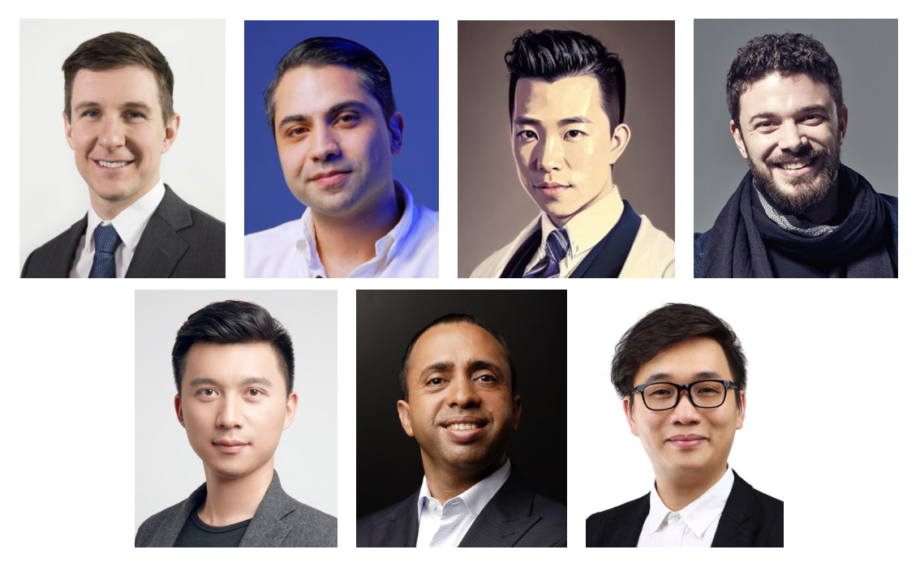
[L – R] Hayden Hughes, Co-Founder and CEO of Alpha Impact; Sidney Macdessi, Head of Institutional Sales at Cake DeFi; Igneus Terrenus, Head of Communications & Business Development at the Mantle Network by BitDAO; Giulio Xiloyannis, CEO of Pixelmon; Chen Zhuling, CEO and Founder of RockX; Pradeep Goel, Founder & CEO of Solve.Care; blockchain strategist, Anndy Lian

Michael Xuan, Director, Crypto Expo Asia, said: “Amid calls for greater regulatory oversight around crypto, it is apparent that now is the time for open dialogue between companies, developers, investors, and governments, to chart the way forward. As with all bleeding-edge developments, intra-industry collaboration is critical to advancing the entire blockchain and crypto ecosystem, ensuring it evolves in a sustainable and responsible manner without stymieing innovation.”

Speakers and panellists at Crypto Expo Asia will address key trends shaping the global Web3 and crypto industry, including artificial intelligence, central bank digital currencies (CBDCs), Web3 regulation, blockchain gaming, and what this will ultimately mean for an industry that has undergone scrutiny and seismic change over the last few months.

“With more businesses trying to navigate the metaverse, we are pleased to announce the inaugural Web3 Expo Asia Summit, a sub-event under the auspices of Crypto Expo Asia. This first summit will introduce pilot sessions for metaverse and NFT-specific panels and discussions,” added Michael.

Shawn Tham, Co-Chairman, Asia Blockchain Association, said: “The industry’s recent trials have shown just how important it is for the community to engage in productive discourse, and conferences such as Crypto Expo Asia provide a platform for discussion. Driving conversations and facilitating solutions to the industry’s most pressing issues is part of the ABA’s raison d’être, and we look forward to the ideas and solutions that will emerge from the conference this year.”

Ahead of what is shaping up to be the definitive return for one of Asia’s most exciting crypto industry events, Crypto Expo Asia has already seen major crypto players including ABX BEOSIN BITmarkets Coinstore , and PurpleFi pledge their support for the event.

Organised by international exhibitions and conference company, HQMENA , Crypto Expo Asia is the second crypto-focused event of the HQMENA calendar, following the highly successful second run for Crypto Expo Dubai which ran from 8 – 9 March 2023. This year’s Crypto Expo Dubai drew over 4,000 attendees and welcomed representatives from the Blockchain Founders Fund Chainalysis Nexo , and more.

Interested sponsors, partners, and speakers for Crypto Expo Asia are encouraged to visit the website for more information: https://cryptoexpoasia.com/ .

– END

About Crypto Expo Asia
Crypto Expo Asia is the premier event for the global crypto ecosystem in Asia, creating an integral platform for the industry to connect and exchange ideas. Attendees gain valuable insight into the global crypto ecosystem and are given a chance to exchange ideas with established thought leaders.

Topics discussed include the future of the blockchain-based economy and the possible impacts on industry and society, while attendees are among the first to know about market movements, partnerships and product launches. Crypto Expo Asia is an unrivalled global meeting place for like-minded entrepreneurs, industry insiders and investors.

For more information, visit: https://cryptoexpoasia.com/


Source: https://www.investorsobserver.com/news/qm-pr/4781239619583701

Anndy Lian is an early blockchain adopter and experienced serial entrepreneur who is known for his work in the government sector. He is a best selling book author- “NFT: From Zero to Hero” and “Blockchain Revolution 2030”.

Currently, he is appointed as the Chief Digital Advisor at Mongolia Productivity Organization, championing national digitization. Prior to his current appointments, he was the Chairman of BigONE Exchange, a global top 30 ranked crypto spot exchange and was also the Advisory Board Member for Hyundai DAC, the blockchain arm of South Korea’s largest car manufacturer Hyundai Motor Group. Lian played a pivotal role as the Blockchain Advisor for Asian Productivity Organisation (APO), an intergovernmental organization committed to improving productivity in the Asia-Pacific region.

An avid supporter of incubating start-ups, Anndy has also been a private investor for the past eight years. With a growth investment mindset, Anndy strategically demonstrates this in the companies he chooses to be involved with. He believes that what he is doing through blockchain technology currently will revolutionise and redefine traditional businesses. He also believes that the blockchain industry has to be “redecentralised”.

j j j

Cryptocurrency firms struggle to find banking partners after US bank collapses- Where to next? Singapore? Switzerland? Hong Kong?

Cryptocurrency firms struggle to find banking partners after US bank collapses- Where to next? Singapore? Switzerland? Hong Kong?

Sources suggest that some cryptocurrency companies have turned to Cross River Bank as their preferred banking partner to address this issue

Recently, there have been reports indicating that cryptocurrency companies are facing challenges when finding banking partners. This issue has arisen following the collapse of two prominent US-based banks, namely Signature Bank and Silvergate Capital. As a result, many cryptocurrency firms struggle to secure banking services, causing significant problems for their operations.

Some cryptocurrency companies have turned to Cross River Bank as their preferred banking partner to address this issue. In particular, Circle Internet Financial Ltd. has moved its business to Cross River Bank from Silicon Valley Bank, where it had held $3.3 billion in assets. This move highlights the importance of finding a reliable banking partner for cryptocurrency companies, as they require access to banking services to conduct their business effectively.

The struggle to find banking partners for cryptocurrency companies underscores the challenges that these firms face as they navigate the fast changing landscape of digital currencies. While some banks are starting to embrace cryptocurrencies and offer banking services to these companies, many are still hesitant to do so. As a result, finding a banking partner that is willing to work with cryptocurrency companies is crucial to their success in the long run.

Where are some feasible countries? What are some challenges that we can foresee?

Switzerland

The collapse has forced the crypto industry to seek new banking partners, with some turning to offshore financial companies like Jewel and others looking to transfer their funds overseas. This has led several digital currency companies to turn to Swiss banks, as Switzerland has established a “Crypto Valley” in the region of Zug, which has favourable regulations and a supportive environment for blockchain and cryptocurrency companies.

Swiss banks are known for their confidentiality and discretion, which is important for the privacy-conscious crypto industry. Swiss banking services also offer a range of products and services that can be customised to the specific needs of crypto firms. This can include access to multiple currencies, secure digital storage, and international transactions.

Swiss banks have a strong reputation for stability and reliability, and the Swiss government has a long history of promoting the country as a financial hub. These factors make Switzerland a popular destination for businesses seeking secure and trustworthy banking partners. The combination of favourable regulations, a supportive environment, and a strong reputation for reliability and confidentiality make Swiss banking a good option for crypto firms.

In addition to Switzerland, several other countries are emerging as favourable locations for digital currency firms.

Singapore

One of these countries is Singapore, which has a well-established financial industry and has been actively exploring blockchain technology in various sectors. Singapore’s regulatory framework for digital currencies is relatively open, and the government has been supportive of blockchain-based businesses, making it an attractive destination for digital currency firms.

Singapore has not forbidden cryptocurrency like some other countries have, which has made it a popular location for crypto firms. In addition, the city-state has a robust financial infrastructure, making it an attractive option for banking. Crypto-friendly regulations: Singapore has taken a positive approach to the cryptocurrency industry, with the Monetary Authority of Singapore (MAS) providing clear guidance on the regulatory framework for crypto companies. In addition, the Payment Services Act was passed in 2019 to regulate digital payment tokens, including cryptocurrencies.

Singapore provides various benefits for crypto firms seeking to establish themselves in the region. The country’s banking system is highly developed and stable, with major global banks such as DBS and UOB operating there, providing a sense of security for crypto firms needing a reliable banking partner. Furthermore, Singapore’s strategic location in Southeast Asia grants easy access to major Asian markets, such as China and India, making it ideal for crypto firms looking to expand their business in the region. In addition, Singapore offers favourable tax policies, including a flat corporate tax rate of 17% and various tax exemptions and rebates, which is attractive for crypto firms seeking to reduce their tax burden.

Moreover, Singapore has a well-recognized reputation as an innovation hub focusing on developing cutting-edge technologies. This creates an innovation-friendly environment that can be particularly enticing for crypto firms searching for a supportive environment to grow and innovate. In summary, Singapore’s strong banking system, access to Asian markets, favourable tax policies, and innovation-friendly environment make it an attractive location for crypto firms looking to establish themselves in the region. Singapore’s well-regulated financial system can provide peace of mind for crypto firms looking to establish long-term banking relationships.

Malta

Another country that is gaining popularity among digital currency firms is Malta, which has established itself as a hub for blockchain and cryptocurrency businesses in Europe. Malta has taken proactive steps to attract digital currency firms, such as introducing a regulatory framework for digital currencies and establishing a government agency to oversee the sector. In addition, Malta has a favourable tax regime for blockchain-based businesses, making it a cost-effective location for digital currency firms.

Malta, an EU member state, has made efforts to attract cryptocurrency businesses, making it an attractive banking option for crypto firms. One reason is that Malta has proactively created a regulatory framework for the cryptocurrency industry. The country’s Virtual Financial Assets Act establishes a clear legal framework for cryptocurrency companies operating in Malta. It establishes a regulatory authority, the Malta Digital Innovation Authority, to oversee the industry and ensure compliance. Malta’s banking system is also stable, unlike the US-based Signature Bank and Silvergate Capital, which recently experienced major bank collapses. This stability can reassure crypto firms looking for a reliable banking partner. As an EU member state, Malta provides access to the EU’s single market, which can be beneficial for crypto firms looking to expand their business in Europe.

Malta’s pro-crypto attitude is another reason crypto firms should consider banking in the country. Malta has positioned itself as a “blockchain island” and has actively promoted the development of the cryptocurrency industry, attracting several major crypto companies to set up shop in Malta. Additionally, Malta offers tax benefits for businesses, including a low corporate tax rate of 35% and a refund system for foreign investors, which can provide additional tax benefits for crypto firms.

Other countries that digital currency firms consider include Gibraltar, Estonia, and Bermuda. Gibraltar has been working to establish itself as a “blockchain hub” and has taken steps to create a regulatory framework for the cryptocurrency industry. The country also offers attractive tax benefits. Liechtenstein: Liechtenstein has taken a proactive approach to regulate the cryptocurrency industry and has established a clear legal framework for the sector. The country also offers attractive tax benefits. Bermuda has also introduced a regulatory framework for digital currencies and has been actively exploring the use of blockchain technology in various sectors.

Challenges

While some countries clearly benefit from this saga, some face some challenges. Hong Kong has long been known as a financial hub in Asia, with a reputation for being friendly and open towards new businesses, including those in the cryptocurrency industry. However, recent banking challenges Hong Kong’s crypto firms face after the closure of Silvergate and Signature banks suggest that the city’s banking system may not be as ready as its government is making it out to be.

One of the biggest challenges Hong Kong’s crypto firms faces is the difficulty opening local bank accounts. According to industry insiders, banks in the city are not keen to serve crypto businesses, making it even harder for these firms to access banking services. This is a significant setback for Hong Kong, aiming to become a virtual asset hub. If the city’s banking system cannot support the needs of crypto businesses, it will be difficult for Hong Kong to achieve this goal.

One reason for the reluctance of banks in Hong Kong to serve crypto businesses may be due to regulatory uncertainty. Despite the government’s push to become a hub for virtual assets, there is still a lack of clear regulations in the space. This can make it difficult for banks to assess the risks associated with serving crypto businesses, leading them to err on the side of caution and avoid these clients altogether. This is not only happening in Hong Kong. It’s important to note that Swiss banks are also cautious when dealing with crypto firms, as cryptocurrencies carry risks and potential for money laundering. Due to regulatory pressure, some Swiss banks have already stopped offering services to crypto firms. Taking a careful stand is essential for the banks.

Another issue is the reputational risk associated with serving crypto businesses. While the cryptocurrency industry has come a long way in terms of legitimacy and mainstream acceptance, some still perceive it as a high-risk, unregulated sector. Banks that serve crypto businesses may be seen as supporting this perception, which could damage their reputation and lead to increased scrutiny from regulators.

The challenges Hong Kong’s crypto firms face highlight the need for the city’s banking system to become more accommodating towards the needs of this industry. While the government has made strides in promoting Hong Kong as a virtual asset hub, more must be done to ensure the city’s banking system is ready to support this goal. Clear regulations and guidance from regulators can help to provide banks with the clarity they need to serve crypto businesses. In contrast, education and outreach efforts can help to address the reputational concerns associated with the industry. Until these issues are addressed, Hong Kong’s ambitions of becoming a virtual asset hub may remain out of reach.

I hope this dilemma is short-term. Hong Kong being a financial hub close to China, would be a big plus for the crypto industry. Not only will we see an influx of Chinese tech talents into Hong Kong, but we will also be seeing huge capital inflows too.

Ending remarks

In conclusion, the regulatory landscape for cryptocurrency is constantly evolving and can vary significantly between countries. While some countries embrace cryptocurrencies and develop favourable regulatory frameworks, others remain sceptical and have introduced strict regulations or outright bans on cryptocurrency trading and related activities. As such, it is vital for cryptocurrency firms to carefully consider the regulatory framework and banking system in each country where they operate or plan to expand into. This includes evaluating the legal and tax implications and the risks and benefits associated with banking in each country.

As the recent struggles of cryptocurrency firms to find banking partners illustrate, it is also important to identify reliable banking partners willing to work with the firm and provide necessary banking services. This may involve conducting due diligence on potential banking partners and assessing their ability to meet the unique needs of cryptocurrency firms.

My humble takeaway message to all is this: While the growth potential of the cryptocurrency industry is significant, firms must navigate the regulatory and banking landscape carefully and strategically to ensure their long-term success. Given the uncertainties, it’s worth noting that each country has its own regulatory framework and banking system. Crypto firms should carefully consider the risks and benefits of banking in each country before making a decision.

by Anndy Lian


Source: https://www.financialexpress.com/business/blockchain/cryptocurrency-firms-struggle-to-find-banking-partners-after-us-bank-collapses-where-to-next-singapore-switzerland-hong-kong/3028866/

Anndy Lian is an early blockchain adopter and experienced serial entrepreneur who is known for his work in the government sector. He is a best selling book author- “NFT: From Zero to Hero” and “Blockchain Revolution 2030”.

Currently, he is appointed as the Chief Digital Advisor at Mongolia Productivity Organization, championing national digitization. Prior to his current appointments, he was the Chairman of BigONE Exchange, a global top 30 ranked crypto spot exchange and was also the Advisory Board Member for Hyundai DAC, the blockchain arm of South Korea’s largest car manufacturer Hyundai Motor Group. Lian played a pivotal role as the Blockchain Advisor for Asian Productivity Organisation (APO), an intergovernmental organization committed to improving productivity in the Asia-Pacific region.

An avid supporter of incubating start-ups, Anndy has also been a private investor for the past eight years. With a growth investment mindset, Anndy strategically demonstrates this in the companies he chooses to be involved with. He believes that what he is doing through blockchain technology currently will revolutionise and redefine traditional businesses. He also believes that the blockchain industry has to be “redecentralised”.

j j j