What’s the truth behind RWA tokenization? ‘More friction, more cost’

What’s the truth behind RWA tokenization? ‘More friction, more cost’

Is tokenization, wrapping a real-world asset (RWA) and offering it via crypto rail, really worth it?

There’s been sharp debate over the efficacy of the overall RWA trend after analyst Anndy Lian poked holes into the sector’s value proposition.

For Lian, the sector lacks key crypto ethos (trust minimization, permissionless, and decentralization).

In contrast, it just adds a new layer of middleman and more overhead costs to run 24/7.

For him, the only segment that makes sense is tokenized stock, which is a better offering than crypto perps (perpetual contracts with no expiry dates).

However, in general, the additional layer with similar traditional disclosure requirements just adds to operational cost, warned Lian.

“Reality: tokenizing RWAs adds intermediaries: Legal wrapper entities, custody providers, compliance oracles, insurance layers, off-chain dispute resolution. More parties, more friction, more cost.”

Do benefits outweigh costs?

While Lian’s argument is plausible, the fact that major players like BlackRock are still betting on it means that the benefits could outweigh the mentioned costs.

In fact, the main argument by supporters is that tokenization democratizes access to financial markets.

And Robinhood is already giving European citizens access to U.S. stock markets via crypto rails. Securitize, Ondo Finance, and other issuers have also ramped up scaling.

As of writing, the global RWA market has hit $26 billion, up 8% in the past 30 days of trading. Over the same period, the total asset holders have crossed half a million to 657K users.

And the growth has been tremendous even as the broader crypto rout deepened, underscoring the demand for these RWA products.

Interestingly, the Iran escalations over the weekend reinforced the need for 24/7 markets, especially for hedging purposes.

According to Bloomberg, Hyperliquid was one of the select available and liquid platforms for traders (including speculators) to express their macro views over the weekend as global tensions heightened.

During the tensions, oil, gold, silver, and other derivatives tracking traditional assets hit record highs on Hyperliquid.

For Flowdesk OTC trader Karim Dandashy, Hyperliquid acted as the ‘price discovery over the weekend.’

Put differently, the RWA trend may be here to stay despite the inherent issues highlighted by Lian. Perhaps, it will evolve to better handle the risks raised rather than be stifled by the perceived cost implications.


Final Summary 

  • Analyst discredited the tokenization trend as ‘non-crypto’ that adds more friction and cost rather than offering any ‘real value.’ 
  • BlackRock and Robinhood are still positioning themselves for the tokenization boom, suggesting that the benefits may outweigh the perceived risks. 


Source: https://ambcrypto.com/whats-the-truth-behind-rwa-tokenization-more-friction-more-cost/


Anndy Lian is an early blockchain adopter and experienced serial entrepreneur who is known for his work in the government sector. He is a best selling book author- “NFT: From Zero to Hero” and “Blockchain Revolution 2030”.

Currently, he is appointed as the Chief Digital Advisor at Mongolia Productivity Organization, championing national digitization. Prior to his current appointments, he was the Chairman of BigONE Exchange, a global top 30 ranked crypto spot exchange and was also the Advisory Board Member for Hyundai DAC, the blockchain arm of South Korea’s largest car manufacturer Hyundai Motor Group. Lian played a pivotal role as the Blockchain Advisor for Asian Productivity Organisation (APO), an intergovernmental organization committed to improving productivity in the Asia-Pacific region.

An avid supporter of incubating start-ups, Anndy has also been a private investor for the past eight years. With a growth investment mindset, Anndy strategically demonstrates this in the companies he chooses to be involved with. He believes that what he is doing through blockchain technology currently will revolutionise and redefine traditional businesses. He also believes that the blockchain industry has to be “redecentralised”.

j j j

Real World Tokenization Unpacked; An Overview of Anndy Lian’s Fireside Conversation

Real World Tokenization Unpacked; An Overview of Anndy Lian’s Fireside Conversation

Delving, into the world of real world tokenization goes beyond comprehending the technology; it involves understanding the complexities of a changing ecosystem that is set to transform various industries. Anndy Lian, a blockchain specialist and respected author known for his insights recently participated in a fireside chat that delved deeply into this topic. Led by Faraj Abutalibov, the Chief Commercial Officer of the Venom Foundation the dialogue unfolded into a range of perspectives providing guidance for both professionals and newcomers in the blockchain field.

Exploring Tokenization; Anndy Lians Journey

Lian’s exploration of blockchain began in 2013 when Bitcoins significance was just starting to emerge. His initial venture into cryptocurrency marked the start of a career that now includes advising governments on implementing technology and managing funds within Singapore’s dynamic financial sector. With experience ranging from investments to high level government consultations Lian’s insights are rooted in practical applications enriching the fireside conversation, with real world wisdom.

Uncovering Tokenization Trends

The conversation commenced with Lian presenting an overview of how tokenization has evolved over time.

From doubt, among governments to the current environment where even major financial institutions support the tokenization of Real World Assets (RWA) the journey has been truly transformative. Lian highlights the preparedness propelling this movement marking a moment when the foundation for efficient tokenization is stronger than ever before.

However amidst all the excitement Lian draws attention to a discussed issue. The lack of revenue models for ventures in tokenization. Drawing from experience he delves into the complexities surrounding assets such as estate pointing out the difficulties in achieving liquidity and establishing sustainable income streams. It serves as a reminder that while the momentum is undeniable addressing core business modelss essential for long term success.

Revenue Strategies; From Industry Leaders to Newcomers

Lians examination of revenue models reveals a landscape within the realm of tokenization. Established entities with sources of income may find stability. Startups encounter challenges, in securing significant funding amidst uncertainties. In this context Lians call for innovation resonates strongly highlighting the importance of approaches to asset tokenization and setting industry standards.

A notable success story emerges in art tokenization domain through Non Fungible Tokens (NFTs).
Lian demonstrates how NFTs can enhance the value of artworks making an argument, for their broader implementation across various industries.

Addressing Challenges; Overcoming Regulations and Doubts

The journey towards acceptance faces hurdles particularly in terms of navigating complex regulations and dispelling lingering doubts. Lian and Abutalibov highlight the lack of uniformity in asset standards and regulatory frameworks across regions as barriers. Tackling these challenges requires a structure and extensive educational efforts to clarify the practical benefits of tokenization.

Future Perspectives; Transformative Possibilities

Looking forward Lian discusses the transformative effects of tokenization on the sector. With expectations of increased efficiency he envisions a future where tokenization enables more cost effective money transfers assuming successful implementation in real world scenarios.

Promoting Adoption; Revolutionizing Retail

Emphasizing the role of users in driving crypto adoption Lian envisions a pivotal moment similar to Chinas adoption of digital payments that could spur widespread acceptance. His insights stress the importance of user interfaces and enhanced accessibility to create an inclusive environment for cryptocurrency adoption.

Exploring NFTs; Going Beyond Hype

Concluding his thoughts Lian mentions his book titled “NFT from Zero, to Hero ” underscoring the significance of education and simplification in navigating the realm of NFTs.
Despite the perception that NFTs are losing relevance they are actually expanding into areas, beyond art and gaming.

In a conversation Anndy Lian provides a view of how tokenization is being applied in real world scenarios highlighting both the challenges and opportunities it presents. His perspectives offer insights for individuals in the industry navigating this changing landscape encouraging innovation and fostering a shared journey towards harnessing its transformative potential. For those interested, in diving the conversation imparts a wealth of knowledge signaling a future where tokenization revolutionizes industries and opens up possibilities.


Source: https://wishu.io/real-world-tokenization-unpacked/

Anndy Lian is an early blockchain adopter and experienced serial entrepreneur who is known for his work in the government sector. He is a best selling book author- “NFT: From Zero to Hero” and “Blockchain Revolution 2030”.

Currently, he is appointed as the Chief Digital Advisor at Mongolia Productivity Organization, championing national digitization. Prior to his current appointments, he was the Chairman of BigONE Exchange, a global top 30 ranked crypto spot exchange and was also the Advisory Board Member for Hyundai DAC, the blockchain arm of South Korea’s largest car manufacturer Hyundai Motor Group. Lian played a pivotal role as the Blockchain Advisor for Asian Productivity Organisation (APO), an intergovernmental organization committed to improving productivity in the Asia-Pacific region.

An avid supporter of incubating start-ups, Anndy has also been a private investor for the past eight years. With a growth investment mindset, Anndy strategically demonstrates this in the companies he chooses to be involved with. He believes that what he is doing through blockchain technology currently will revolutionise and redefine traditional businesses. He also believes that the blockchain industry has to be “redecentralised”.

j j j

Anndy Lian: Why RWA Tokenization is Taking Off

Anndy Lian: Why RWA Tokenization is Taking Off

‘Show Me The Money’

Many companies are tokenizing assets, and while I think that technology is 100% ready — and you can see big banks coming in — there’s one thing that is really missing.

And that’s not just adoption. It’s “how can companies make money?” What is the actual revenue model?

It’s hard because — if we take tokenizing properties as an example — how will an exchange earn money?

Exchanges can only earn money through different products or the number of transactions — but if you’re offering products like a securitized token or a property, you will not get that much trade on a day-to-day basis.

So the way to earn that money is very tough.

There is also a huge liquidity problem. What makes us so sure that if we tokenize that property, someone from the crypto space is willing to pay for the token?

So I think an issue here is how the revenue model can help sustain a company — maybe it is workable for the bigger banks or a large asset manager, but how are the smaller or medium players going to find a reason to buy in?

Right now, I don’t think that property is the best avenue, but maybe commodities are a good target.

So, we need sustainable revenue streams and to not ignore liquidity issues, particularly in tokenizing assets like real estate.

But we are seeing some successes: Art tokenization offers a unique blend of digital and physical value, driving demand and creating new revenue streams.

Successful art tokenization projects such as Oracle Red Bull Racing’s NFTs, and leveraging non-fungible tokens (NFTs) for ownership show the ways to unlock value in the digital art space.
Hype vs Utility of Tokenization

I still think that the whole tokenization sector is largely driven by hype. Still, a smaller percentage of people and companies will look at the technology at a deeper level — to look at how we can reduce fraud and increase the traceability element that the blockchain can offer.

The other outstanding issues are standardization of asset classes and regulation — especially from country to country.

Navigating regulatory complexities is a significant challenge: Without clear guidelines and frameworks — it becomes arduous.

I think tokenization also doesn’t accelerate as fast as we want because a huge percentage of people do not think that tokenizing will be that useful — if they think that the only goal is “tokenize a product”.

People will think in terms of: “Will the property sell well, whether it’s tokenized or not?”

But I always go back to the basics — it’s about traceability, about reducing fraud. If you can use that as the use case (for property, deeds, and so forth) and make it easy to use, then tokenization can revolutionize financial transactions, making them faster, more cost-effective, and transparent.

Trust and the Blockchain

Trust is a fundamental aspect of any financial system. Blockchain technology, with its immutable and transparent nature, has the potential to bring trust, immutability, and integrity to transactions.

Some other key things that need to be considered are:

  • Interoperability is crucial for the widespread adoption of blockchain technology. We need seamless integration between different networks and protocols to unlock its full potential.
  • Decentralization is one of the core principles of blockchain technology. It empowers individuals and reduces reliance on centralized authorities, promoting greater transparency and trust.

And we need to acknowledge the power of smart contracts, which are a game-changer in the realm of decentralized finance (DeFi). They enable automated and trustless execution of agreements, reducing the need for intermediaries and streamlining processes.

The Bottom Line

If we get all of these things working in sync, I believe that tokenization has the potential to democratize access to investment opportunities, allowing individuals from diverse backgrounds to participate in previously inaccessible markets.

It is not just financial systems; blockchain can empower individuals to take control of their personal data and privacy, mitigating risks associated with centralized data storage.

We’re at the early stages of understanding how blockchain and crypto can revolutionize various industries. From supply chain management to healthcare, the potential applications are vast.

Education is key. Many people still view crypto with skepticism or fear due to misconceptions or a lack of understanding. We need to demystify the technology and showcase its potential to drive positive change.

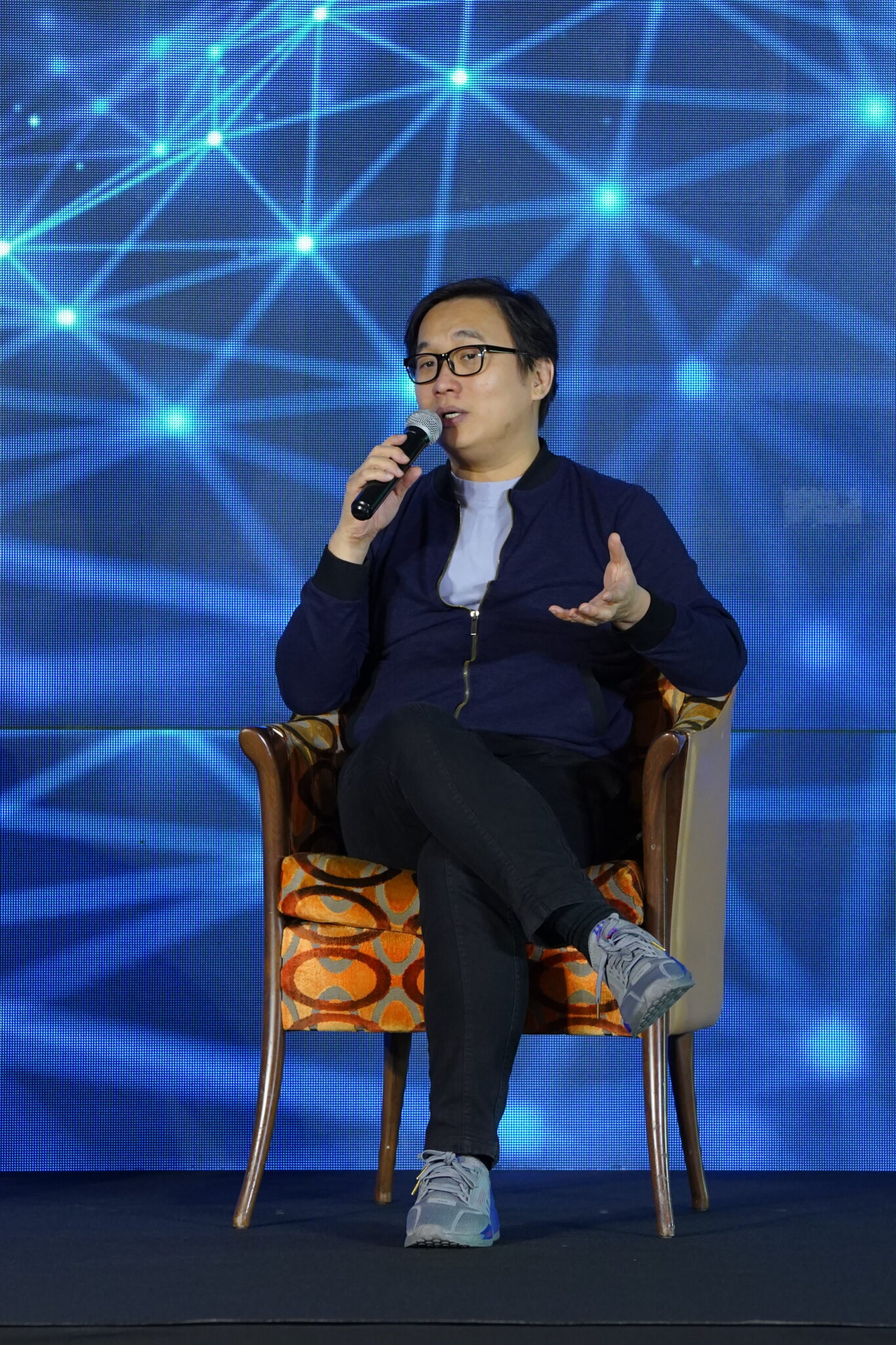
You can see Anndy talking about tokenization in a fireside chat with Faraj Abutalibov, Chief Commercial Officer of the Venom Foundation, at the World Tokenization Summit, held in Dubai last November:


Fireside chat with Anndy Lian at World Tokenization Summit, Dubai


Source: https://www.techopedia.com/anndy-lian-why-rwa-tokenization-is-taking-off

FAQ

[sc_fs_multi_faq headline-0=”h2″ question-0=”How can companies generate revenue through asset tokenization, especially in industries like real estate?” answer-0=”Anndy Lian’s response to the question: Companies can generate revenue through various products and increased transaction volumes. While tokenizing properties might face liquidity challenges, offering unique products like securitized tokens or exploring commodities can open up new revenue streams. Successful examples include art tokenization, where the blend of digital and physical value, as seen in projects like Oracle Red Bull Racing’s NFTs, has driven demand and created successful revenue models.” image-0=”” headline-1=”h2″ question-1=”What challenges hinder the widespread adoption of tokenization beyond the hype, and how can these challenges be addressed?” answer-1=”Anndy Lian highlighted that tokenization faces challenges in standardization of asset classes and regulatory frameworks, varying from country to country. The perception that tokenizing a product might not be useful is another obstacle. Addressing these challenges requires a deeper understanding of tokenization’s potential to reduce fraud and enhance traceability. Focusing on the fundamental use cases, such as improving transparency and reducing fraud in financial transactions, can accelerate adoption. ” image-1=”” headline-2=”h2″ question-2=”How does blockchain technology contribute to building trust in financial systems, and what are the key considerations for its successful implementation?” answer-2=”Anndy Lian said that blockchain, with its immutable and transparent nature, has the potential to bring trust, immutability, and integrity to financial transactions. Key considerations for successful implementation include interoperability for widespread adoption, decentralization to empower individuals and reduce reliance on centralized authorities, and the utilization of smart contracts for automated and trustless execution of agreements in decentralized finance (DeFi).” image-2=”” headline-3=”h2″ question-3=”What role does education play in the broader acceptance of blockchain and crypto technologies, and how can misconceptions be addressed?” answer-3=”Education is crucial in demystifying blockchain and crypto technologies. Many people view these technologies with skepticism or fear due to misconceptions or a lack of understanding. By providing comprehensive education, showcasing the potential positive impact of blockchain across various industries – from supply chain management to healthcare – and addressing common misconceptions, we can foster broader acceptance and understanding of these technologies.” image-3=”” headline-4=”h2″ question-4=”In what ways can successful integration of blockchain and tokenization democratize access to investment opportunities and empower individuals?” answer-4=”Successful integration of blockchain and tokenization has the potential to democratize access to investment opportunities. This involves creating seamless interoperability between different networks, promoting decentralization to reduce reliance on centralized authorities, and leveraging smart contracts for trustless execution of agreements in decentralized finance. Anndy Lian pointed out that this not only transforms financial systems but also empowers individuals to control their personal data and privacy, mitigating risks associated with centralized data storage.” image-4=”” count=”5″ html=”true” css_class=””]

Anndy Lian is an early blockchain adopter and experienced serial entrepreneur who is known for his work in the government sector. He is a best selling book author- “NFT: From Zero to Hero” and “Blockchain Revolution 2030”.

Currently, he is appointed as the Chief Digital Advisor at Mongolia Productivity Organization, championing national digitization. Prior to his current appointments, he was the Chairman of BigONE Exchange, a global top 30 ranked crypto spot exchange and was also the Advisory Board Member for Hyundai DAC, the blockchain arm of South Korea’s largest car manufacturer Hyundai Motor Group. Lian played a pivotal role as the Blockchain Advisor for Asian Productivity Organisation (APO), an intergovernmental organization committed to improving productivity in the Asia-Pacific region.

An avid supporter of incubating start-ups, Anndy has also been a private investor for the past eight years. With a growth investment mindset, Anndy strategically demonstrates this in the companies he chooses to be involved with. He believes that what he is doing through blockchain technology currently will revolutionise and redefine traditional businesses. He also believes that the blockchain industry has to be “redecentralised”.

j j j