Blockchain and traditional databases are different ways to store and manage data. For decades, traditional databases were the main choice. But, blockchain has changed things in many industries. We’ll look into how these two types work, what they’re good at, and where they lack, to compare them.
Understanding Blockchain Technology
Blockchain technology works without a central authority, keeping data decentralised. It’s known for being secure and open, which builds trust among users. Since it cuts out the middlemen, it can lower costs and work faster. It really shines in areas like cryptocurrencies and finance. But, it can struggle when too many people use it at once because of its growth limitations. Also, using it takes a lot of power, which is not great for the environment.
There are various ways blockchain verifies transactions, like Proof of Work and Proof of Stake. These methods are there to make sure everything is safe and reliable. A big company like Walmart uses blockchain to follow products through its supply chain. This makes the chain more transparent and efficient1.
Exploring Traditional Databases
Traditional databases are built with a central design, focusing on pre-set data links. They are known for being organised and dependable. They are heavily used in business systems and customer data management. They are also key in gathering both structured and unstructured data.
With traditional databases, a manager keeps them up to date. But blockchain changes this by letting everyone in a network look after the data. This new way builds trust between different groups, even competitors2.
Advantages of Blockchain Technology
Blockchain tech is great because it’s secure and transparent by design. This cuts the risk of hacking that often comes with traditional setups. Plus, it makes sure data stays true, which is perfect for money or sensitive info. It also brings smart contracts into play, which are like automated agreements. These boost safety and cut down on mistakes in transactions.
Businesses using blockchain are seeing big changes. They’re working faster and more openly than before. There’s a real boost in trust between partners because of how clear and reliable blockchain is2.
Benefits of Traditional Databases
Though blockchain is new and promising, traditional databases offer solid benefits. They’re top for handling a lot of data and letting many users in at once. They are good at staying the course and following set rules for managing information. Traditional databases, however, might struggle with some setups across multiple servers. Deciding between these options comes down to what the project needs, like how much it has to grow and the type of data it handles.
Use Cases of Blockchain Technology
Blockchain technology is making big waves in finance, supply chains, and health. Its non-central setup and clear rules make for safe and lower cost trades without the need for go-betweens. Walmart is a good example, using it to keep an eye on its products and prove they are genuine. Cryptocurrencies are another area where blockchain is really shaking things up1.
Use Cases of Traditional Databases
Old school databases, like those in ERP and CRM systems, are vital for smooth business operations. They handle both known and free-flowing data well. They’re also key in development, giving us ways to dig through data and report on it thoroughly.
Limitations of Blockchain Technology
Despite its strong points, blockchain technology can hit some roadblocks. As more people use it, it can slow down. Its energy needs can also be a worry. Plus, fitting it to normal rules poses its own issues.
Limitations of Traditional Databases
Single control point makes traditional systems vulnerable to big attacks. These hacks can damage companies and people. They might also have issues working smoothly across many servers.
Which One to Choose: Blockchain or Traditional Databases?
The pick between blockchain and traditional ways depends on your job, how much you want to grow, and how safe you need to be. Blockchain technology locks down data and builds trust like nothing else. But when it comes to size and speed, traditional databases often win out. It’s all about knowing your needs and about the strengths and weaknesses of each choice.
Conclusion
Both blockchain and traditional ways of storing data have their places. Blockchain wins on security and openness, making it key in fields like finance and supply chains. For big, fast operations, though, traditional databases often are the better bet. The main thing is to match the technology with what you’re trying to do, weighing up all the options carefully3.
Key Takeaways
- Blockchain technology operates on a peer-to-peer network, providing decentralization and transparency3.
- Traditional databases rely on a centralized architecture and offer consistency and reliability3.
- Blockchain eliminates intermediaries and reduces transaction costs3.
- Blockchain ensures immutability and fosters trust among stakeholders3.
- Traditional databases excel in performance and scalability for large-scale applications3.
Understanding Blockchain Technology
Blockchain technology is a new way of working that has changed many industries. It uses a digital ledger that’s not in one place, making transactions very safe. No one person or company controls it. This means we don’t need to fully trust anyone when we do business. By using special codes and smart contracts, blockchain keeps data safe and honest. Let’s dive deeper into what makes blockchain great.
Decentralized Ledger System
Blockchain’s key feature is its ledger spread out among many computers. Each part of the network has a copy of all the records. This makes everything clear and stops any one part breaking everything. It also makes it harder for bad people to attack.
Secure and Immutable Transactions
With blockchain, transactions are super safe and can’t be changed. This is thanks to strong codes and linking each new piece of data to the last. Because everyone agrees on what’s right, bad changes are almost impossible.
Smart Contracts and Automation
Smart contracts do the right thing automatically. They follow set rules and act when needed, without anyone in the middle. This way of working is great for saving time and making sure no one cheats. It’s used in many areas, not just in finance.
Expanding Use Cases
Blockchain is growing quickly. People are finding new ways to use it outside of just making payments. It’s being used in healthcare, voting, and more. For example, in voting, it makes things very clear and impossible to cheat. Its nature makes it perfect for keeping data safe and honest.
Blockchain is changing many parts of our world. It’s making things more secure and clear. With every day, more businesses and groups see how it can help make things better.
| Blockchain Statistics | Reference |
|---|---|
| Since Bitcoin’s introduction in 2009, the use of blockchain has expanded with the creation of various cryptocurrencies, decentralized finance (DeFi) applications, non-fungible tokens (NFTs), and smart contracts. | 4 |
| More than 32 million ETH was staked by over one million validators on the Ethereum blockchain between April and June 2024. | 4 |
| A 51% attack on the Bitcoin and other larger blockchains is nearly impossible due to the network’s hashing speed and size. | 4 |
| Blockchain technology was first outlined in 1991 by Stuart Haber and W. Scott Stornetta, with its real-world application emerging with the launch of Bitcoin in January 2009. | 4 |
| Tens of thousands of projects are underway aiming to implement blockchains in various sectors for purposes beyond transaction recording, such as secure voting in democratic elections. | 4 |
Exploring Traditional Databases
For years, traditional databases have been key in storing data for many types of work. They use a single point to manage and keep data safe. This setup makes it easy to make sure data is correct. It’s good for organising and getting to data easily.
These databases store data in one place. It’s perfect for big company systems like ERP. ERP helps a business run smoothly. Databases in ERP connect different parts of a business, helping them work well together.
CRM systems also use these databases a lot. In a CRM system, information about customers is kept. This helps companies know their customers well. They can then offer services that fit each customer. The organised data makes marketing and selling more effective.
Using these databases also helps with a process called data warehousing. This means keeping both simple and complex data in one place. It’s great for finding useful information from lots of data. Companies use this to make smarter decisions based on this data1.
While they’re still very useful, these traditional databases do have issues. Security is a big worry. With all the data in one place, it’s at risk from bad actors. So, strong security tools are a must to keep data safe3.
There are also problems with these databases getting bigger and slower over time. As more data piles up and more people want to use it, there can be delays. This is tricky for places needing quick, real-time data in their work3.
Comparing Blockchain and Traditional Databases
| Aspect | Blockchain | Traditional Databases |
|---|---|---|
| Architecture | Decentralized | Centralized |
| Consensus Mechanism | Requires agreement among many different points | Single control |
| Data Storage | Can only add, not change | Uses fixed tables to connect data |
| Data Access | Can read and write on it | Operates Create, Read, Update, Delete methods |
| Security | Made secure by how it keeps data and lets us see it | Uses controls and makes data unreadable to bad actors |
Image source: https://seowriting.ai/32_6.png
To sum up, traditional databases have been the go-to for storing data for a long time. They’re great for keeping data organised and safe. But, they can have trouble as data grows, they slow down a bit, and staying secure is hard.
Companies need to think hard about what they need from their data. They should look at things like how the data is set up, how safe it is, and if it will stay fast enough. Sometimes, other options like blockchain might be better depending on what’s needed3.
Advantages of Blockchain Technology
Blockchain has key benefits that apply to many industries. It’s known for being unchangeable, clear, needing fewer middlemen, and being accessible worldwide.
Immutability and Transparency
Blockchains can’t be changed once data is in. This makes deals more secure, cutting risks like fraud5.
With all seeing the same records, trust naturally grows. No need for third parties makes deals clearer and simpler5.
Reduced Intermediaries and Global Accessibility
It lets deals happen directly between parties. This saves time and money. It helps everyone do business easier and move money quicker5.
Its design lets anyone join in, no matter where they are. This makes it easier to do business worldwide. It’s a big help for places that find it hard to join the global market5.
Blockchain’s perks include safety, clear deals, less need for middlemen, and worldwide access. Many fields, like supply chains, banks, health care, and governments, are picking it up. As it grows, blockchain promises to change business and spark fresh ideas.
Benefits of Traditional Databases
When handling data, traditional databases stand out for many organisations. They offer key advantages that are essential in today’s data-driven environments. Let’s dive into why these databases remain a significant choice.
1. Consistency and Reliability
Consistency and reliability are at the core of traditional databases. Their structured design and central control ensure data is accurate and reliable. By placing data in one spot and managing it centrally, errors are fewer. This approach boosts how data is sorted and found easily6.
2. Performance and Scalability
When it comes to big applications, performance and scalability are key. Traditional databases can efficiently handle large amounts of data. They have seen many improvements over time, making them work better and handle growth without trouble. This is why they fit well in business operations that need to process huge datasets rapidly7.
3. Established Technology
For many years, traditional databases have stood as a solid technology. Everyone uses them – from new companies to official bodies. The use of SQL in these databases helps in managing and finding data easily. This means users can get the data they need without hassle7.
| Benefits of Traditional Databases |
|---|
| Consistency and Reliability |
| Performance and Scalability |
| Established Technology |
Overall, traditional databases bring consistency, reliability, high performance, scalability, and a strong technological base. They are a steady choice for businesses, handling data management effectively. However, organisations must weigh their specific needs against the pros and cons of both traditional databases and newer tech like blockchain. Considering aspects such as data safety, who can access it, and operational requirements helps in making the best choice for unique business goals67.
Use Cases of Blockchain Technology
Blockchain technology is now in many industries, offering new solutions. It changes how things are done, like in finance, supply chains, healthcare, and voting. Its features of being decentralised, transparent, and secure help in many areas.
In finance, blockchain is very useful. Cryptocurrencies, like Bitcoin, show how safe and decentralised it can be. When you use Bitcoin to pay, the transaction is safely recorded without a middleman1.
In supply chains, blockchain is changing the game. Walmart is using it to track products and stop fraud. Everything in the supply chain is put on a secure blockchain, bringing trust and better tracking1.
Blockchain is even improving voting. It makes voting more secure and honest. With blockchain, we could get rid of cheating in elections, making democracy stronger1.
In healthcare, blockchain keeps health records safe and private. It also helps in making contracts work automatically in many areas. This cuts down on paperwork and makes things run better1.
Although blockchain is great, let’s not forget about traditional databases. These are still vital for a lot of business tasks and for managing customer info in CRM. They work together with blockchain for the best results1.
Blockchain is changing many industries for the better. It’s making finance safer, supply chains more transparent, and lots more. With blockchain, we get a more open, safe, and honest world6.
Use Cases of Blockchain Technology
| Industry | Use Case |
|---|---|
| Finance | Secure and decentralized transactions with cryptocurrencies |
| Supply Chain Management | Enhanced traceability and fraud prevention |
| Voting Systems | Secure and transparent voting processes |
| Healthcare | Secure management of health records and smart contract automation |
Use Cases of Traditional Databases
Traditional databases are essential for big business operations. They support systems like enterprise resource planning (ERP), customer relationship management (CRM), and human resources management. Businesses use these databases to manage products, customer interactions, and employee information.
ERP systems connect different business areas. They bring together finance, supply chain, and production. This approach makes operations smoother and helps companies make better choices. ERP systems improve how companies work together, increasing productivity8.
CRM systems help businesses understand their customers better. By using stored customer data, companies can offer more personal services, predict what customers want, and run focused marketing. This way, they increase customer happiness, retain more customers, and sell more8.
In HR, traditional databases keep track of employees. They hold details like payroll and benefits. This makes it easier for companies to follow workers’ progress, handle their payment, and meet legal work conditions. So, databases support the smooth HR work that keeps businesses running8.

Companies benefit greatly from traditional databases. These systems support interacting with customers, managing resources, and working with employees. They ensure that businesses handle their data well, leading to smart choices and growth.
Limitations of Blockchain Technology
Blockchain technology brings many benefits, but it also has its limits and challenges. These include scalability issues, high energy use, and worries about rules. We’ll look at each issue closely.
Scalability Challenges
Blockchain finds it hard to grow smoothly. As more people use it, transactions take longer to process. This happens because blockchains use methods like Proof-of-Work or Proof-of-Stake, needing lots of power9. Making blockchain handle more transactions easily is a big challenge.
Energy Consumption
Energy use is another big worry for blockchain. The Proof-of-Work method used by coins like Bitcoin needs a lot of power. This makes blockchain’s growing energy use bad for the environment10. Experts are looking for more energy-friendly methods, like Proof-of-Stake, to cut down on power use.
Regulatory Concerns
Blockchain’s way of working outside central control makes some nervous. Traditional databases follow strict rules, but blockchains don’t have just one watchdog. This makes following laws a challenge, especially in heavily regulated areas11. Finding a way for blockchain to meet regulations while keeping its decentralization is vital for its future.
In sum, while blockchain has changed industries through its strengths, it has its own share of issues. Scalability, energy use, and rules are key challenges. Tackling these problems with new ideas can help blockchain grow and stay important in technology’s future.
Limitations of Traditional Databases
Traditional databases have some big drawbacks. They’re usually all in one place, which causes problems. This can lead to issues with keeping data safe, accurate, and always available.
Vulnerability to Data Breaches
Traditional databases are easy targets for hackers. Because everything is in one place, a hacker only needs to hit one target. If they do, they could mess with your data or even get in where they shouldn’t12.
Single Point of Failure
Having everything on one server means if it goes down, so does everything else. This downtime can be costly. Plus, if your data can’t be reached, it’s not very helpful. So, one failure can really mess things up12.
Data Synchronization Issues
When data is scattered across many servers, syncing it all up is tough. This can lead to a mess in your data. This mess then shows up in any apps that rely on said data, causing problems for all13.
“Centralized databases are vulnerable to data breaches, as hackers target single points of failure.”
If we want better, safer data handling, we have to look beyond the old ways. Blockchain could be one such new path. It’s all about sharing the workload and sharing the truth. With blockchain, we hope to see safer, more solid data management12.
| Limitation | Description |
|---|---|
| Vulnerability to Data Breaches | Bad actors love getting into old-school databases. Once they do, your data isn’t safe12. |
| Single Point of Failure | When the central bit fails, everything goes down. It’s a huge risk to rely on just one piece12. |
| Data Synchronization Issues | Trying to keep many copies of the same data in tune is hard. Mistakes can creep in easily13. |
We need to face these problems head-on to keep our data and our work running smoothly. Looking into new tech and boosting security can make a real difference. It’s all about making sure our data is safe and there when we need it.
Which One to Choose: Blockchain or Traditional Databases?
Deciding between blockchain technology and traditional databases needs thought. Consider use cases, scaling, security, and trust. Each has its pros and cons. The right choice depends on what the project needs.
Blockchain works in a decentralized way. It has many people keeping the network safe. This means there’s less risk from one weak point. So, it can be more secure and trusted1415.
Looking at security is important. Blockchain uses special maths and agreement rules to keep things safe. This makes it hard for bad actors to get in or steal info1415. Comparatively, traditional databases use things like firewalls to keep data safe.
Blockchain is clear; anyone can check its records. This public nature adds a layer of trust. Meanwhile, traditional databases are more private. They keep their data hidden from most people1415.
Scalability is crucial too. Traditional databases are proven to work well over years. They’re stable due to their strict setup3. But, blockchain faces size issues that need looking into based on what a project needs3.
What you want to do also matters. Blockchain fits stuff like digital cash, tracking goods, or new tech14. But, traditional bases are better for big business, websites, and handling regular data. Each is good for different tasks.
To sum up, picking blockchain or a traditional base needs checking what your project needs. Look at use cases, how much it needs to grow, and keeping things safe and trusted. Understand what each does well or not, to make the best choice for your project.
Conclusion
Bothblockchainandtraditional databases bring something unique to the table. Traditional databases are strong in central control and reliability. They work well for big applications needing steady operations. But,blockchain tech shines with decentralization and a tamper-proof nature.
Blockchain’s structure allows for copies of data across many nodes in its network16. This makes it hard for anyone to change records because of its immutable nature16. Also, it aims for all nodes to reach the same state over time16. But, growing blockchain’s size without trouble is tough, something experts are working on16. Despite this, blockchain shows off strong network independence and the use of smart contracts for better safety and control16.
On the flip side, traditional databases obey the CRUD model and a central authority’s rule17. They make it easy to work with data and ensure transactions are correct17. With quick data access, these systems swiftly handle tasks like updating files and checking information18.
As tech keeps evolving, there’s a chance that blockchain and traditional databases will come together. They could combine their pros for new and clever ways to handle data161718. Choosing between them depends on what a project really needs, like how important it is for data to be safe, easy to use, and can grow. Knowing the good and bad points of each helps organisations choose wisely, making the most of what both offer161718.
In conclusion, blockchain is changing how we look at managing data and keeping it safe. As more and more areas start using blockchain, we’ll see even more exciting ways to use it in the future.
FAQ
What is blockchain technology?
Blockchain technology is a new way to record transactions. It keeps these records across many computers. This makes it super hard for anyone to change or hack the data. It works without a central authority and uses smart contracts for added safety.
How do traditional databases work?
Traditional databases keep their data in one central place. They store information in tables with set connections. These databases are very secure, using things like access control and encryption. They also make sure that data is always accurate.
What are the advantages of blockchain technology?
One big plus of blockchain is that it’s very secure. It also cuts out the middlemen in transactions. Plus, it works the same for everyone, anywhere in the world. This makes things quicker and cheaper.
What are the benefits of traditional databases?
Traditional databases are well tested and very reliable. They work well for big projects. They offer strong security and keep things running smoothly.
What are some use cases of blockchain technology?
Cryptocurrencies are one big use of blockchain. It changes how we buy and sell things. It also makes supply chains more transparent, helps keep voting fair, and lets us track items in real time.
What are some use cases of traditional databases?
Traditional databases are key in big business systems like ERP and CRM. They help with managing people too, like keeping employee info and pay straight.
What are the limitations of blockchain technology?
Blockchain can get slower as more people use it, which is a problem. Some ways it keeps things secure can use a lot of power, which is bad for the environment. Following rules and laws can also be hard.
What are the limitations of traditional databases?
They can be targets for hackers, and if they break, it’s a big deal. Keeping data the same between different systems can also be tricky, leading to mistakes in data.
How do I choose between blockchain and traditional databases?
Pick based on what your project needs. Consider things like who should control the data, how safe it needs to be, and how many people will use it. Each has its place depending on the job.
What are the unique strengths and weaknesses of blockchain and traditional databases?
Blockchain shines in giving us trust, security, and a new way to deal with money. Traditional databases are great for things like keeping work and customer info in order. Your choice should match what your project aims to do.
Source: https://pcsite.co.uk/differences-between-blockchain-and-traditional-databases/


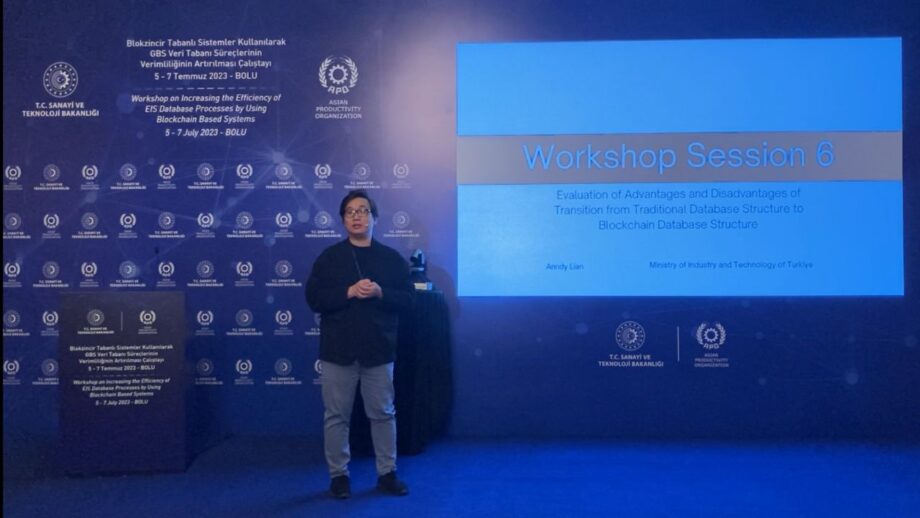
Anndy Lian is an early blockchain adopter and experienced serial entrepreneur who is known for his work in the government sector. He is a best selling book author- “NFT: From Zero to Hero” and “Blockchain Revolution 2030”.
Currently, he is appointed as the Chief Digital Advisor at Mongolia Productivity Organization, championing national digitization. Prior to his current appointments, he was the Chairman of BigONE Exchange, a global top 30 ranked crypto spot exchange and was also the Advisory Board Member for Hyundai DAC, the blockchain arm of South Korea’s largest car manufacturer Hyundai Motor Group. Lian played a pivotal role as the Blockchain Advisor for Asian Productivity Organisation (APO), an intergovernmental organization committed to improving productivity in the Asia-Pacific region.
An avid supporter of incubating start-ups, Anndy has also been a private investor for the past eight years. With a growth investment mindset, Anndy strategically demonstrates this in the companies he chooses to be involved with. He believes that what he is doing through blockchain technology currently will revolutionise and redefine traditional businesses. He also believes that the blockchain industry has to be “redecentralised”.