Exclusive: Anndy Lian: “Web3 and AI Are Transforming NFTs” — Keynote Speech

Exclusive: Anndy Lian: “Web3 and AI Are Transforming NFTs” — Keynote Speech

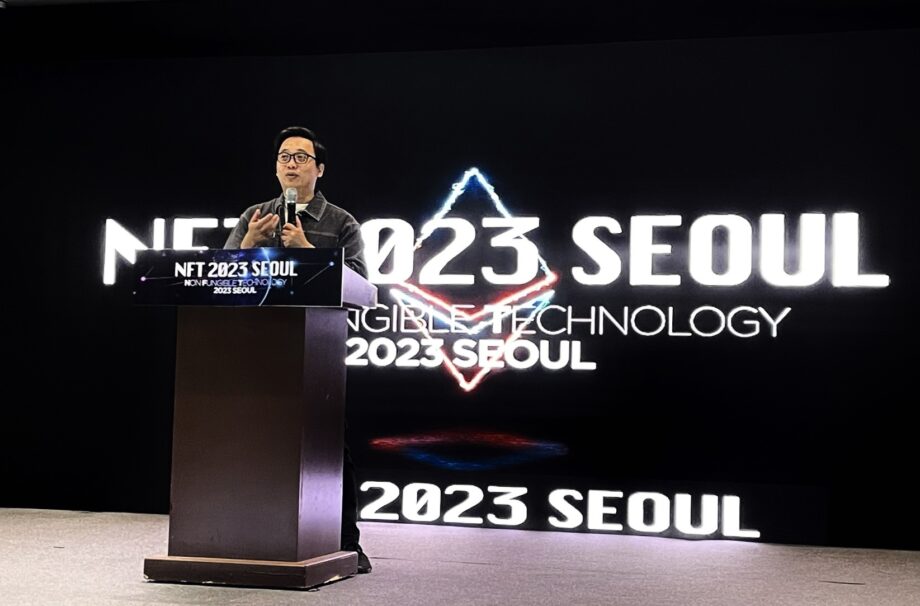
I was honored to be invited as a keynote speaker at the NFT 2023 Seoul conference, which took place on September 1, 2023, at the COEX Convention Center in Seoul, South Korea. The conference was a huge success, attracting many attendees from around the world who were interested in the latest developments and trends in the non-fungible tokens space.

The speech was titled “The Journey of NFTs in the Age of AI and Web3”. In it, I shared my insights on how NFTs have evolved and what their future holds, how artificial intelligence (AI) is creating new possibilities and challenges for NFTs, and how Web3 is emerging as a new version of the internet that is more decentralized, open, and user-centric.

In this article, I will summarize some of my speech’s key points and provide examples of NFT projects that illustrate them. I hope you will find them informative and inspiring.

What Are NFTs?

One of the topics that I covered in my speech was the basic concept and definition of NFTs. NFTs are non-fungible tokens, which means that they are unique and irreplaceable. Unlike fungible tokens, such as cryptocurrencies, that can be exchanged for one another, NFTs have their own individual characteristics and value. They are mostly digital items, such as artworks, music, videos, games, collectibles, and even virtual land, that users can buy and sell online using blockchain technology.

Blockchain technology is the backbone of NFTs, providing a secure and transparent way of verifying their authenticity, scarcity, and ownership. Blockchain is a distributed ledger system that records transactions in a network of computers without the need for a central authority. Each transaction is verified by the network and added to a chain of blocks that cannot be altered or tampered with. This ensures that NFTs are original, rare, and belong to their rightful owners.

The NFT market has been booming in recent years, especially in 2021, when it reached new heights of popularity and profitability. According to data from NonFungible.com, the total sales volume of NFTs in 2021 was over $12 billion, which is more than 20 times higher than the previous year. The average price of an NFT also increased significantly, from $142 in 2020 to $3,700 in 2021.

Some of the more popular and best-selling NFT collections in the market as of last week were:

  • Bored Ape Yacht Club: 7-Day Sales Volume: $52.2 million
  • The Sandbox: 7-Day Sales Volume: $33.1 million
  • CryptoPunks: 7-Day Sales Volume: $17.5 million
  • Art Blocks: 7-Day Sales Volume: $13.2 million
  • Decentraland: 7-Day Sales Volume: $6.6 million

These collections feature different types of digital assets, such as pixelated characters, generative art, virtual worlds, and more. They have attracted thousands of buyers and sellers from around the world, who are willing to pay millions of dollars for some of the rarest and most coveted pieces. Just to put some figures to illustrate these NFTs. A Bored Ape Yacht Club NFT sold for $24.4 million at Sotheby’s auction house in September 2021.

A CryptoPunk NFT sold for $11.8 million at Christie’s auction house in May 2021. An Art Blocks NFT sold for $5.4 million on the OpenSea platform in August 2021.

How is AI Transforming NFTs?

Another topic I covered in my speech was the impact and potential of artificial intelligence on NFTs. I explained how AI is transforming NFTs by creating new possibilities for generating unique digital assets that can appeal to different tastes and preferences. I also explained how AI can integrate dynamic experiences into NFTs, making them more interactive and adaptive.

One of the ways that AI is creating new possibilities for NFTs is by enabling users to automatically create artworks using various algorithms and models. This means that users do not need to have any artistic skills or experience to create their own NFTs. They can simply use AI tools and platforms that can generate images based on their inputs, such as keywords, styles, colors, and more. Some of the examples of AI-generated NFTs include:

  • Artbreeder is a platform that allows users to create and breed images using neural networks. Users can choose from different categories, such as portraits, landscapes, animals, and abstract art, and then adjust various parameters, such as genes, mutations, and mixtures, to create unique images. Users can also combine different images to create hybrids and variations.
  • GANksy is a collection of street art created by a generative adversarial network (GAN) inspired by Banksy. A GAN is an AI model consisting of two competing networks: a generator that creates fake images and a discriminator that tries to distinguish them from real ones. The generator learns from the feedback of the discriminator and improves over time. GANksy is a GAN that was trained on hundreds of Banksy artworks and then generated its own original pieces.
  • Alethea AI is a platform that enables users to create and trade intelligent NFTs that can speak, interact, and learn. Users can upload their own images or choose from a gallery of pre-made avatars and then use a text-to-speech engine to give them a voice. Users can also customize the personality, mood, and emotion of their NFTs and teach them new skills and knowledge.

Another way that AI is transforming NFTs is by integrating dynamic experiences into them thanks to their self-learning capabilities. This means that NFTs can change over time based on external factors, such as data, events, user actions, and more. This makes them more dynamic compared to more traditional NFTs that often take the form of an image or audio file.

What is Web3 and How Does It Enhance the NFT Ecosystem?

The final topic that I covered in my speech was Web3 and how it enhances the NFT ecosystem. Web3 is a new version of the internet that aims to give users more control over their data and online interactions. Web3 is built on blockchain technology and includes features such as cryptocurrencies, NFTs, and decentralized autonomous organizations (DAOs).

Identity is one of the key features of Web3 that allows users to manage their online identities in a more secure and efficient way without relying on a central authority. Web3 identity solutions enable users to create and use digital wallets on the blockchain that store their personal information, such as name, email, phone number, address, and more.

Users can then use these wallets to access various Web3 applications and services, such as marketplaces, social networks, games, and more. Users can also choose what information they want to share with each application or service and revoke access at any time. Some of the examples of Web3 identity solutions:

  • MetaMask is a browser extension that allows users to access Ethereum-based applications. MetaMask acts as a bridge between the user’s browser and the Ethereum network, enabling them to send and receive transactions, interact with smart contracts, and manage their Ethereum accounts.
  • Civic is a platform that provides identity verification services using blockchain. Civic allows users to verify their identity once and then use it across multiple platforms without going through the same process again. Civic also protects users’ privacy by using zero-knowledge proofs, which are cryptographic techniques that allow users to prove something without revealing any details.
  • ENS (Ethereum Name Service) is a protocol that allows users to register human-readable names for their Ethereum addresses. ENS makes it easier for users to send and receive transactions, as they do not have to deal with long and complex alphanumeric strings. ENS also allows users to attach other information to their names, such as websites, social media profiles, and NFTs.

NFTs are another key feature of Web3 that enhances the ecosystem by offering a decentralized internet where users are not just consumers but active participants. They are unique blockchain tokens that allow users to transparently provide proof of ownership for things such as digital art, music, data, in-game assets, personal records, and more. NFTs also enable users to create, trade, collect, and showcase their digital assets on various Web3 platforms and services.

The Bottom Line

I wrapped up my speech by stressing the importance and potential of the fusion of AI and NFTs in the Web3 era, arguing that the convergence of AI and NFTs will allow us to create and own unique digital assets that can interact with each other and with the environment in dynamic and intelligent ways.

I also argued that Web3 will offer us a more democratic and decentralized internet where we can have more freedom and control over our online identities and experiences.

“Web3 is based on the idea of decentralization, which means that no single entity or authority can control or censor the network. This aligns perfectly with the core values of NFTs, which are based on the idea of ownership, which means that we can prove and transfer our rights to our digital assets. The fusion of AI and NFTs within the context of Web3 opens up a new horizon for innovation and creativity, where we can explore endless possibilities and have greater agency over our digital assets.”

Thank you to the audience for their attention and to the organizers of NFT 2023 Seoul. Find me on X/Twitter at @anndylian.


Source: https://www.techopedia.com/anndy-lians-keynote-speech-at-nft-2023-seoul

Anndy Lian is an early blockchain adopter and experienced serial entrepreneur who is known for his work in the government sector. He is a best selling book author- “NFT: From Zero to Hero” and “Blockchain Revolution 2030”.

Currently, he is appointed as the Chief Digital Advisor at Mongolia Productivity Organization, championing national digitization. Prior to his current appointments, he was the Chairman of BigONE Exchange, a global top 30 ranked crypto spot exchange and was also the Advisory Board Member for Hyundai DAC, the blockchain arm of South Korea’s largest car manufacturer Hyundai Motor Group. Lian played a pivotal role as the Blockchain Advisor for Asian Productivity Organisation (APO), an intergovernmental organization committed to improving productivity in the Asia-Pacific region.

An avid supporter of incubating start-ups, Anndy has also been a private investor for the past eight years. With a growth investment mindset, Anndy strategically demonstrates this in the companies he chooses to be involved with. He believes that what he is doing through blockchain technology currently will revolutionise and redefine traditional businesses. He also believes that the blockchain industry has to be “redecentralised”.

j j j

Web2.0 to Web3.0: Unraveling the future of digital infrastructure

Web2.0 to Web3.0: Unraveling the future of digital infrastructure

The digital landscape is undergoing a profound transformation, moving from the centralized Web2 era to the decentralized and user-centric universe of Web3. In the ever-evolving landscape of technology and finance, the concept of Web3 and its impact on tokenization and decentralization is gaining momentum. This transformative shift holds the promise of revolutionizing various industries, including finance, gaming, and beyond. On the 3rd of August 2023, thought leaders and experts gathered at The Biltmore Mayfair in London to explore the challenges, opportunities, and potential use cases that lie ahead.

A New Horizon for Real Estate: Tokenizing Real-World Assets

The fusion of Web3 technology and traditional real estate ownership has opened doors to innovative possibilities. Just as paintings have held value for centuries, real estate can be seen as a tangible asset that can be owned, bought, and sold. However, what sets Web3 apart is the ability to tokenize these real-world assets on a blockchain.

Through blockchain technology, ownership of real estate can be represented by digital tokens. This has the potential to democratize real estate investments, allowing fractional ownership and lowering the entry barriers for retail investors. By tokenizing properties, individuals can invest smaller amounts and still have a stake in valuable real estate holdings.

Unveiling the Potential: Tokenization of Metals and Commodities

Expanding beyond traditional assets, Web3 technology is poised to disrupt the world of commodities and metals. One exciting development is the tokenization of metals using blockchain, allowing investors to own a fraction of metals like gold and silver. This has the potential to democratize the commodities market, making it accessible to both institutional and retail investors.

Tokenization also enables fractional ownership, enabling investors to purchase small amounts of metals, sometimes as low as ten dollars. Moreover, the option to request physical delivery of the metals adds an interesting twist, catering to industries such as electric vehicle and electronics production. Previously limited to certified exchanges, this new approach opens doors for broader participation.

Challenges and Opportunities in the Crypto Market

While the potential of Web3 and tokenization is exciting, there are challenges that need to be addressed. The cryptocurrency market, which is central to the Web3 ecosystem, faces issues such as volatility, security concerns, and regulatory uncertainties. Negative news, exchange shutdowns, and security breaches have contributed to an environment of instability.

Institutional investors could play a pivotal role in stabilizing the crypto market. By embracing cryptocurrencies and tokenized assets, established players like Tesla can not only diversify their holdings but also streamline cross-border transactions. However, the regulatory landscape remains uncertain in many jurisdictions, where the distinction between security, asset-backed, and utility tokens can impact businesses’ operations.

Navigating Web3: The Transition to Decentralization

The transition to Web3 and decentralization presents a significant paradigm shift. As we move from centralized systems to decentralized networks, there are obstacles to overcome. The instinct to centralize, driven by the benefits of control and financial advantages, can hinder progress. Navigating this shift requires finding solutions to the difficulties of monetization, regulatory compliance, and overcoming vested interests.

To succeed in this transition, a focused approach is crucial. Developing clear and pragmatic use cases for Web3 technologies, such as NFTs (non-fungible tokens) and decentralized finance (DeFi) platforms, can help explain their value proposition to a broader audience. Regulatory frameworks must also evolve to accommodate these new technologies while ensuring consumer protection.

Web3 and the Gaming Industry: A Gateway to Mass Adoption

One of the most promising avenues for Web3 adoption is the gaming industry. Gaming has already embraced digital assets, and the concept of virtual ownership is well-established. With the advent of NFTs, players can own and trade in-game items, characters, and assets, bringing a new dimension to gameplay.

This synergy between Web3 technology and gaming is driving mass adoption. Gamers are familiar with digital assets and tokenization, making the transition to blockchain-based systems smoother. This seamless integration can serve as a gateway for users to experience the benefits of Web3 technology, encouraging them to explore other sectors.

The Future Unveiled: Bridging Real and Virtual Worlds

As we gaze into the future, it’s evident that Web3 will redefine how we interact with assets, both physical and digital. The tokenization of real-world assets and commodities has the potential to democratize investments, offering accessibility and flexibility. Challenges such as regulation and security must be addressed, fostering a conducive environment for the growth of Web3.

Incorporating Web3 into gaming experiences accelerates its adoption, making it an integral part of the digital landscape. As Web3 matures, its impact will transcend industries, reshaping the way we engage with assets, transactions, and networks. The journey to Web3 is not without hurdles, but its transformative potential is undeniable.

As we navigate this landscape, the balance between innovation and regulatory compliance will shape the future of Web3. The promise of decentralized systems, enhanced ownership, and a more inclusive financial world lies ahead. The dawn of Web3 heralds a new era of possibilities, where the fusion of technology and finance paves the way for a decentralized future.

Meet The Panelists

The panel was moderated by Anndy Lian, an Intergovernmental Blockchain Advisor and author of “NFT: From Zero to Hero.” The distinguished panelists included:

  • Tim Aron, Barrister at Minerva Chambers and External Counsel for Tether and Bitfinex Securities.
  • Talgat Dossanov, Founder & CEO of Biteeu Exchange.
  • Rafal Trepka, General Manager for Central Asia at Mastercard.
  • Daryna Rabinova, Institutional Business Manager at Huobi.

Each panelist brought their unique expertise to the table, providing valuable insights into the various facets of Web3 and its potential impact on the digital infrastructure of the future.

In conclusion, the journey from Web2 to Web3 represents a seismic shift in the digital landscape. It’s a transformation driven by decentralization, user empowerment, and blockchain technology. As we continue to explore the possibilities of Web3, it’s clear that this new paradigm holds the potential to reshape industries, redefine ownership, and empower individuals in ways we have never seen before. The discussions at The Biltmore Mayfair on August 3rd, 2023, served as a testament to the exciting and dynamic future of digital infrastructure in the Web3 era.


Source: https://www.financialexpress.com/business/digital-transformation-web2-0-to-web30-unraveling-the-future-of-digital-infrastructure-3237275/

Anndy Lian is an early blockchain adopter and experienced serial entrepreneur who is known for his work in the government sector. He is a best selling book author- “NFT: From Zero to Hero” and “Blockchain Revolution 2030”.

Currently, he is appointed as the Chief Digital Advisor at Mongolia Productivity Organization, championing national digitization. Prior to his current appointments, he was the Chairman of BigONE Exchange, a global top 30 ranked crypto spot exchange and was also the Advisory Board Member for Hyundai DAC, the blockchain arm of South Korea’s largest car manufacturer Hyundai Motor Group. Lian played a pivotal role as the Blockchain Advisor for Asian Productivity Organisation (APO), an intergovernmental organization committed to improving productivity in the Asia-Pacific region.

An avid supporter of incubating start-ups, Anndy has also been a private investor for the past eight years. With a growth investment mindset, Anndy strategically demonstrates this in the companies he chooses to be involved with. He believes that what he is doing through blockchain technology currently will revolutionise and redefine traditional businesses. He also believes that the blockchain industry has to be “redecentralised”.

j j j

NFTs and super brands: A deep dive into web3

NFTs and super brands: A deep dive into web3

In a world where technology evolves at lightning speed, it’s no surprise that the business landscape is constantly shifting. One of the latest and most talked-about developments is the rise of NFTs (Non-Fungible Tokens) and their integration into the strategies of “super brands.” To shed light on this topic, a panel discussion featuring experts from various fields share insights on the complexities of NFT adoption among super brands.

Super brands are more than just products or services; they are cultural phenomena. These brands have transcended their industries to become status, identity, and aspiration symbols. Their power is not limited to marketing; it extends to influencing consumer behavior, market trends, and even social movements. The bond between super brands and their fans is built on trust, shared values, and a sense of belonging.

NFT Panel
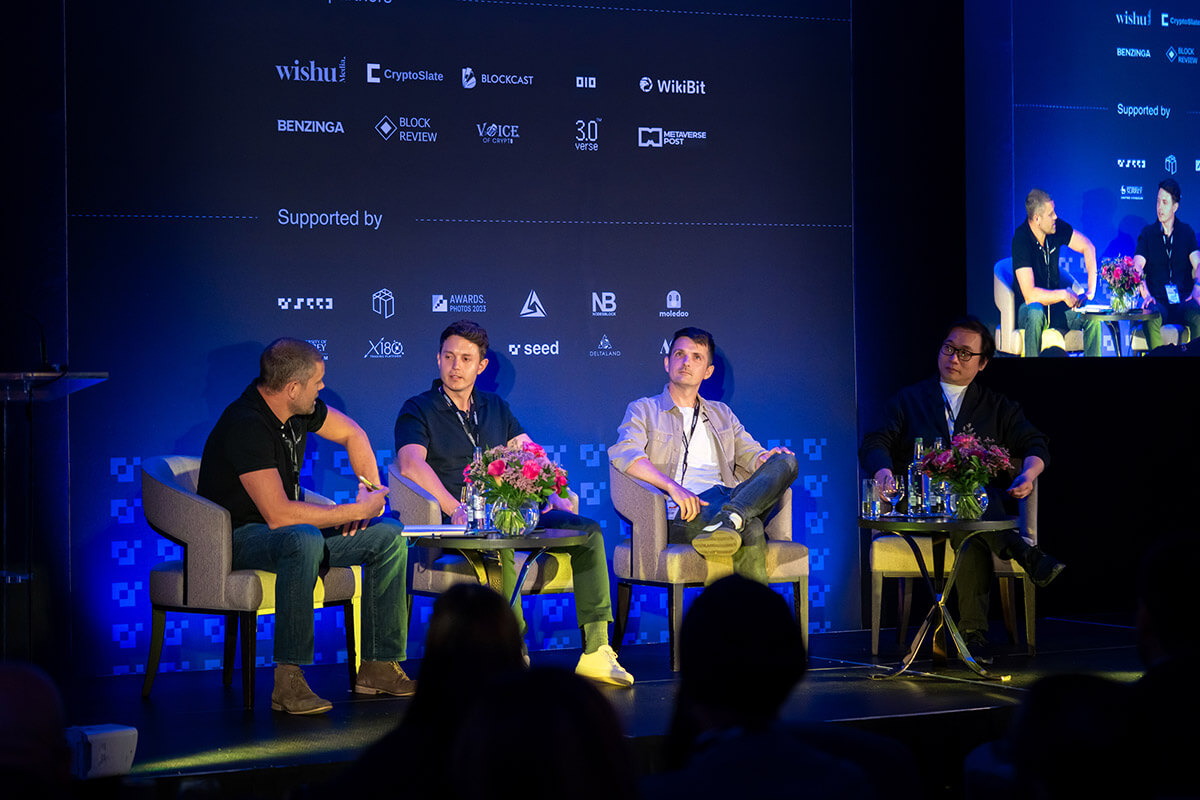
Investor Anndy Lian hosts a panel at web3wave discussing the potential of NFTs for brands.

The Quest for Fan Engagement

Dan Mitchell, representing Oracle Red Bull Racing, introduced himself as the Web3 lead. Before entering the world of cryptocurrency and Web3, he had worked extensively in advertising, collaborating with global brands on brand strategy and advertising campaigns. Dan discussed how the Red Bull Racing team utilizes Web3 technology to engage racing fans, emphasizing the importance of putting fans at the core of their strategy.

Formula 1 teams understand the hunger of their fans. The desire to feel emotionally connected to the team, to access exclusive content, and to engage with their favorite drivers is palpable. However, with most fans unable to attend races in person, finding innovative ways to bridge the gap is the challenge.

The question that often arises is, “How do we best use Web3 technology to provide fans with emotionally engaging experiences?” Whether it’s about getting closer to the drivers, accessing team principals like Christian Horner, or offering exclusive perks through loyalty reward programs, the potential of Web3 in enhancing fan engagement is vast.

Dan explained:

“We are using Web3 technologies to engage with our fans. It has been a unique journey for our side, and thanks to Bybit, we understand how to manage Web3 a lot easier.”

The Challenge of NFTs and Utility

As the discussion at the NFT conference suggests, Web3 technology, particularly NFTs, should be invisible to the end-user. It’s not about slapping an “NFT” label on a product or experience and expecting it to succeed. The true success lies in crafting an exceptional underlying experience for customers.

Anndy Lian, a book author and licensed fund manager in Singapore, shared his expertise. He discussed the rapid evolution of NFTs, emphasizing their potential as a gateway to larger communities and technology adoption. Andy also highlighted the importance of utility tokens and the value of creating meaningful user experiences.

“NFT gaming is more than just owning a digital sword; it’s about the experience and usefulness it provides within the game. Formula 1 discovered this when they first experimented with NFTs by offering digital helmets and race suits without any clear purpose. Fans were left wondering what they could do with these digital assets. Our partnership with Oracle Red Bull Racing on the newly launched Velocity Series addresses these concerns. We collaborate with successful NFT artists to incorporate racing characteristics into the art. In this case, the value and usefulness are in the art itself, not just as an NFT, as Anndy stated.”

Learning from Mistakes and Customer-Centric Approach

Liverpool Football Club’s early NFT launch serves as a cautionary tale. They released NFTs without a clear utility, mirroring traditional merchandise. However, they understood their audience better when they partnered with Meta for NFT-based clothing. They used terminology their fans understood, focusing on “collectible avatars” and “coins” instead of complex NFT jargon. This approach led to a highly successful project, with three million wallets opened on the first launch.

Reddit, another big brand, ventured into Web3 by offering customizable avatars without emphasizing NFTs, but instead focused on user identity and opinions. This strategy resonated with their audience and resulted in significant success.

The above points were highlighted by Tom Downing, representing the British Interactive Media Association. He highlighted his role in educating brands and businesses about Web3, and he mentioned a Web3 education business called “Roster3,” which offers an accredited mini-MBA in Web3.

The Reality Check

However, amidst all the excitement, it’s essential to remember that not every Web3 venture is groundbreaking. Some may still appear gimmicky. The key is to offer a unique technology that brings transparency, accountability, and genuine value to users. In the case of NFTs, simply replacing traditional offerings with digital versions won’t suffice.

Ben Radcliffe, representing Amber Group, a crypto-native financial services firm, echoed Anndy’s point. He emphasized the need for brands to understand the “why” behind their Web3 initiatives and how these initiatives can create value for users. He has also highlighted the challenges and opportunities for super brands entering the Web3 space. He emphasized the need for brands to have a legitimate reason for adopting Web3 technology beyond just chasing the latest trend.

Conclusion

The potential future directions for super brands in the Web3 space is positive. The possible expansion areas, include NFT ticketing, fan-based tokens, and immersive experiences in the metaverse. Andy emphasized that brands should focus on delivering value and experiences to users with a long-term perspective.

As the panel discussion concluded, it became clear that super brands are taking significant steps into the Web3 world. While NFTs provide exciting opportunities for fan engagement and revenue generation, brands must be strategic.

The success of Web3 initiatives hinges on providing genuine value and creating immersive experiences for users. In this fast-evolving landscape, the future of super brands in Web3 holds the promise of exciting developments and innovations.

Web3wave Summit was organized on the 3rd of August in London. Experts from Binance, Bybit, Coinbase, Mastercard, Bitfinex, Huobi, Oxford University, and many others were present. Her Excellency Uddin, Member of the House of Lords, gave a keynote speech on her vision for Web3 and Metaverses. The event was supported by Benzinga, Coingecko, CryptoSlate, Seed.Photo, Blockcast.cc, Blockreview, Followin, Moledao, AOI, Custodiy, Bitverse, Riple, Tusima, Pollen Defi and Wishu Media etc.


Source: https://cryptoslate.com/nfts-and-super-brands-a-deep-dive-into-web3/

Anndy Lian is an early blockchain adopter and experienced serial entrepreneur who is known for his work in the government sector. He is a best selling book author- “NFT: From Zero to Hero” and “Blockchain Revolution 2030”.

Currently, he is appointed as the Chief Digital Advisor at Mongolia Productivity Organization, championing national digitization. Prior to his current appointments, he was the Chairman of BigONE Exchange, a global top 30 ranked crypto spot exchange and was also the Advisory Board Member for Hyundai DAC, the blockchain arm of South Korea’s largest car manufacturer Hyundai Motor Group. Lian played a pivotal role as the Blockchain Advisor for Asian Productivity Organisation (APO), an intergovernmental organization committed to improving productivity in the Asia-Pacific region.

An avid supporter of incubating start-ups, Anndy has also been a private investor for the past eight years. With a growth investment mindset, Anndy strategically demonstrates this in the companies he chooses to be involved with. He believes that what he is doing through blockchain technology currently will revolutionise and redefine traditional businesses. He also believes that the blockchain industry has to be “redecentralised”.
j j j
