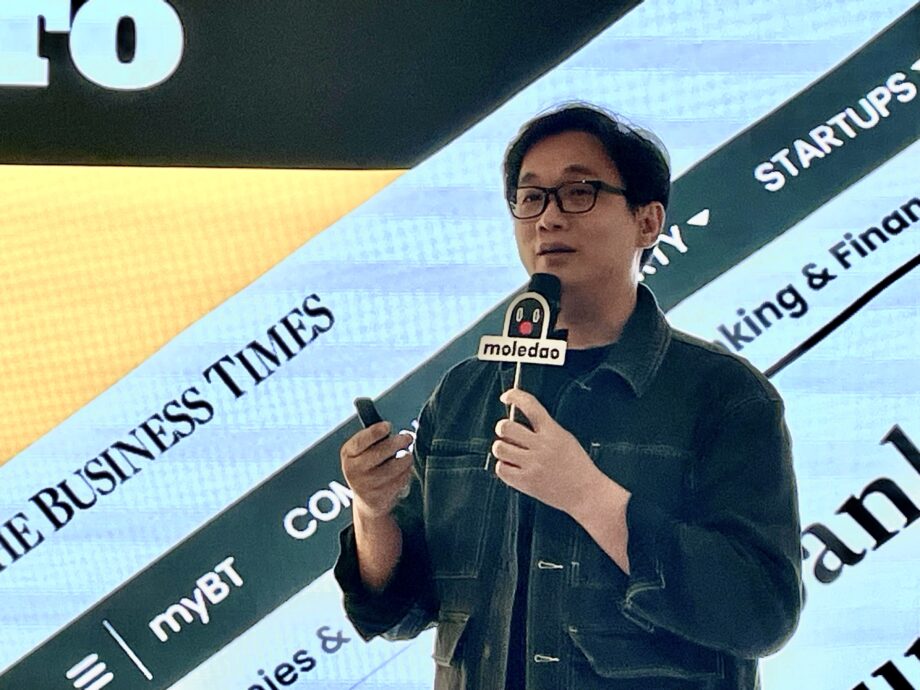
Looking ahead 2030 – How crypto will shape the future of finance

Looking ahead 2030 – How crypto will shape the future of finance

The year is 2030. The world has changed dramatically in the past decade, especially in the field of finance. Cryptocurrencies, once considered a niche and speculative asset class, have become mainstream and widely adopted by millions of people around the world. What are the factors that have contributed to this rapid growth and popularity of crypto? And what are the challenges and opportunities that lie ahead for the crypto industry and its users?

One of the main drivers of crypto adoption is the innovation and development of the underlying technology, blockchain. Blockchain is a distributed ledger that records transactions in a secure, transparent, and immutable way. It enables peer-to-peer transactions without intermediaries, reduces costs and friction, and enhances efficiency and trust.

Blockchain has enabled the creation and proliferation of various types of crypto assets, such as Bitcoin, Ethereum, stablecoins, utility tokens, security tokens, non-fungible tokens (NFTs), and more. These assets have different use cases and value propositions, such as store of value, medium of exchange, digital representation of real-world assets, access to decentralized applications (DApps), and ownership of digital collectibles.

According to a study conducted by Grand View Research, Inc., the global cryptocurrency market size is expected to reach USD 11.71 billion by 2030, expanding at a compound annual growth rate (CAGR) of 7.1% from 2021 to 2030. The study attributes this growth to the increasing demand for crypto assets among retail and institutional investors, the growing adoption of blockchain technology in various sectors, and the supportive regulatory environment in some countries.

Popularity and Mainstream Adoption

Another factor that has boosted crypto adoption is the increasing awareness and education among the general public. More people are becoming familiar with the benefits and potential of crypto, such as financial inclusion, empowerment, privacy, and sovereignty. Crypto adoption is also facilitated by the availability and accessibility of various platforms and services, such as exchanges, wallets, payment processors, lending platforms, and more.

According to a report on Github, it is estimated that the number of crypto users will reach one billion by 2030, based on a historical growth rate of 63.2% per year. The report also identifies the key drivers of crypto adoption, such as the growth of Bitcoin and Ethereum, the emergence of DeFi and NFTs, the launch of institutional products and services, and the endorsement of celebrities and influencers.

Decentralization: The Core of Web3

One of the most significant and revolutionary aspects of crypto is decentralization. Decentralization means that no single entity or authority controls or governs the network, the protocol, or the data. Instead, the power and responsibility are distributed among the participants, who are incentivized to cooperate and coordinate through consensus mechanisms and economic models.

Decentralization is the core of Web3, the next generation of the internet that is built on blockchain and other distributed technologies. Web3 aims to create a more open, fair, and democratic web, where users have more control and ownership over their data, identity, and digital assets. Web3 also enables the development of new types of applications and services that are decentralized, peer-to-peer, and censorship-resistant.

Some of the examples of Web3 applications and services are:

  • Decentralized Applications (DApps): These are applications that run on a decentralized network, such as Ethereum, and use smart contracts to execute logic and transactions. DApps can provide various functions and features, such as gaming, social media, e-commerce, and more.
  • Smart Contracts: These are self-executing contracts that are encoded on the blockchain and perform actions based on predefined rules and conditions. Smart contracts can facilitate trustless and transparent transactions, such as escrow, swaps, and auctions.
  • Governance and DAOs: These are mechanisms and organizations that enable the collective decision-making and management of a network, a protocol, or a project. Governance and DAOs allow the stakeholders to propose, vote, and implement changes and improvements, such as upgrades, parameters, and policies.
  • DeFi: This is a term that refers to the decentralized and open financial system that is enabled by blockchain and smart contracts. DeFi aims to provide alternative and innovative financial services and products, such as lending, borrowing, trading, investing, and saving, without intermediaries or intermediaries.
  • Web4: This is a term that refers to the future evolution of the web, where the physical and digital worlds are integrated and augmented by technologies such as artificial intelligence, virtual reality, and the internet of things. Web4 will enable new forms of interaction, communication, and expression, such as immersive experiences, holograms, and avatars.

Challenges and Opportunities

Despite the remarkable progress and potential of crypto, there are still many challenges and uncertainties that need to be addressed and overcome. Some of the main challenges are:

  • Regulation and Compliance: The legal and regulatory status of crypto varies widely across different jurisdictions and regions. Some countries have adopted a friendly and supportive approach, while others have imposed bans or restrictions. The lack of clarity and consistency in regulation and compliance can pose risks and barriers for crypto users, developers, and businesses.
  • Security and Scalability: The security and scalability of crypto networks and platforms are essential for ensuring the reliability, performance, and user experience of crypto. However, there are still many technical and operational challenges and trade-offs that need to be solved and optimized, such as network congestion, high fees, hacking attacks, and human errors.
  • Education and Adoption: The education and adoption of crypto are crucial for achieving the vision and mission of crypto. However, there are still many gaps and obstacles that need to be bridged and overcome, such as the lack of awareness, understanding, and trust, the complexity and usability of crypto, and the resistance and inertia of the incumbents and the status quo.

On the other hand, there are also many opportunities and possibilities that crypto can offer and explore. Some of the main opportunities are:

  • Innovation and Development: The innovation and development of crypto are driven by the creativity and collaboration of the crypto community, which consists of diverse and talented individuals and groups from various backgrounds and disciplines. The crypto community is constantly experimenting and iterating on new ideas and solutions, such as layer-2 protocols, interoperability standards, and privacy-enhancing technologies.
  • Inclusion and Empowerment: The inclusion and empowerment of crypto are enabled by the accessibility and affordability of crypto, which can reach and serve anyone with an internet connection and a smartphone. Crypto can provide financial and social inclusion and empowerment to the unbanked and underbanked, the marginalized and oppressed, and the aspiring and ambitious.
  • Transformation and Disruption: The transformation and disruption of crypto are manifested by the impact and influence of crypto on various sectors and industries, such as finance, media, art, and gaming. Crypto can transform and disrupt the existing models and paradigms, such as intermediation, centralization, and monetization, and create new and better alternatives, such as peer-to-peer, decentralized, and tokenized.

Conclusion

Crypto is not just a technology, a currency, or an asset. It is a movement, a culture, and a vision. It is a movement that aims to create a more open, fair, and democratic world. It is a culture that values innovation, collaboration, and diversity. It is a vision that imagines a future where everyone can participate, contribute, and benefit from the digital economy.

As we look ahead to 2030, we can expect crypto to continue to grow, evolve, and mature, and to face new challenges and opportunities. We can also expect crypto to shape the future of finance, and beyond. Crypto is not only the future of money, but also the future of the web, and the future of the world.


Source: https://www.financialexpress.com/business/digital-transformation-looking-ahead-2030-how-crypto-will-shape-the-future-of-finance-3310083/

Anndy Lian is an early blockchain adopter and experienced serial entrepreneur who is known for his work in the government sector. He is a best selling book author- “NFT: From Zero to Hero” and “Blockchain Revolution 2030”.

Currently, he is appointed as the Chief Digital Advisor at Mongolia Productivity Organization, championing national digitization. Prior to his current appointments, he was the Chairman of BigONE Exchange, a global top 30 ranked crypto spot exchange and was also the Advisory Board Member for Hyundai DAC, the blockchain arm of South Korea’s largest car manufacturer Hyundai Motor Group. Lian played a pivotal role as the Blockchain Advisor for Asian Productivity Organisation (APO), an intergovernmental organization committed to improving productivity in the Asia-Pacific region.

An avid supporter of incubating start-ups, Anndy has also been a private investor for the past eight years. With a growth investment mindset, Anndy strategically demonstrates this in the companies he chooses to be involved with. He believes that what he is doing through blockchain technology currently will revolutionise and redefine traditional businesses. He also believes that the blockchain industry has to be “redecentralised”.

j j j

Will Singapore, Hong Kong step up crypto scrutiny as US cracks down on Binance, Coinbase?

Will Singapore, Hong Kong step up crypto scrutiny as US cracks down on Binance, Coinbase?
  • The moves by the US SEC against Binance, Coinbase spooked investment sentiment just as Hong Kong seeks to establish itself as a trading hub along with Singapore
  • Unlike Singapore and Hong Kong, the US does not have comprehensive regulations for crypto and blockchain firms to operate without fear of regulatory action

US regulatory action against two major cryptocurrency exchanges, Coinbase and Binance, is likely to serve as a reference point for Hong Kong and Singapore as they seek to balance growth with investors’ safety, analysts have said.

The crackdown is the latest in a series of measures by the US Securities and Exchange Commission (SEC), which has levied fines and other penalties against crypto-lending firms, following the collapse of one of the most-reliable crypto exchanges FTX last November that sparked public outrage.

The SEC said Coinbase had acted as a broker, exchange and clearing agency for investments without proper registration. The complaint came a day after the regulator sued Binance, alleging it had tried to evade US regulation.

Binance said the enforcement action was unwarranted and alleged it was a regulatory “overreach” that damages the United States’ status as a global financial hub. Paul Grewal, Coinbase’s general counsel, said in a statement that the company would continue operating as usual and had “demonstrated commitment to compliance”, according to Reuters.

The development spooked investment sentiment just as Hong Kong is seeking to frame regulations to establish itself as a trading hub along with Singapore, which already has such a framework.

The two cities may look at the US action as a reference point, which could mean tighter scrutiny even in the Asian hubs, analysts say.

“There will be a fallout for sure. Hong Kong and Singapore are taking measures to regulate the cryptocurrency industry by proposing new licensing regimes for virtual asset trading platforms,” said Anndy Lian, Singapore-based author of the book “NFT: From Zero to Hero”.

Unlike Singapore and Hong Kong, the US has yet to come up with a comprehensive set of regulations that allows cryptocurrency and blockchain firms to operate transparently without fear of regulatory action.

“The war that the US is waging on cryptocurrencies shows no signs of abating, and it will only intensify as time wears on,” said Julian Hosp, the CEO and co-founder of Cake Group, a fast-growing Southeast Asia’s digital assets innovator.

The regulator’s action is part of a larger trend which is likely to continue into the 2024 presidential election, Hosp said.

Industry cautions on overkill

The Securities and Futures Commission (SFC) in Hong Kong has requested feedback on a proposal that would require virtual asset trading platform operators to obtain the same type of licences as securities traders, Lian said, adding that it had asked other firms who were not applying to prepare for an orderly closure.

Securities, as opposed to other financial assets, are strictly regulated and require detailed disclosures to inform investors of potential risks.

“These developments indicate that cryptocurrency exchanges seeking approval in Hong Kong and Singapore will have to adhere to new regulatory requirements and may be subject to increased scrutiny from regulators,” Lian said.

But new regulations could help establish the legitimacy of the cryptocurrency industry and potentially attract more investors and businesses at a time people are increasingly wary of the US market, analysts said.

“The SEC’s lawsuit primarily focuses on actions that have taken place in the United States and their impact on American citizens,” said Rajagopal Menon, vice-president of WazirX, India’s leading cryptocurrency exchange.

“As for regulators in Hong Kong, such as the Securities and Futures Commission, and Dubai’s Virtual Asset Regulatory Authority, the SEC’s lawsuit can serve as a point of reference or information. However, it does not automatically alter their regulatory stance or trigger immediate action,” he added.

At the two-day Crypto Expo Asia in Singapore, attendees were unbothered by news about Binance and Coinbase, with little to no mention about the developments.

Though the US action may not have a direct impact on other regions, Menon conceded that it could potentially have some indirect influence on their decision-making processes.

Nizam Ismail, founder of Singapore-based compliance consultancy Ethikom Consultancy, said crypto investors too were likely to be more cautious about risks and the need for due diligence on intermediaries.

“These products will be subject to prudential and consumer protection requirements. In the longer term, regulatory gaps will be addressed and consumer protection measures are likely to be introduced,” he added.

The development also exposed extreme price fluctuations in the digital assets which have made many traditional investors in assets like stocks and bonds cautious about investing in the digital asset.

After initially falling to a three-month low of US$25,750 following the Binance lawsuit, bitcoin has rebounded to around US$27,000 in afternoon trade in Asian hours.

Some investors – typically traditional investors, family offices and high net worth individuals – may have been deterred by the US regulator’s lawsuits, while “die-hards” long time investors “would not care”, said Hayden Hughes, the chief executive office and co-founder of Alpha Impact, a social trading platform.

A key takeaway from the incident for Asian hubs like Hong Kong is to have “regulatory clarity”, he said, adding that Hong Kong’s decision to open up to crypto and implement regulations had been a step in the right direction.

But it is unlikely that the event would deter crypto exchanges from seeking approval from Hong Kong and Singapore authorities, he said, highlighting that the two cities would gain from establishing clear rules and a licensing framework.

“Asian hubs can focus on their core mission of protecting the retail investors. There is absolutely no incentive for regulators to move fast and break things,” Hughes said.

Industry executives urged regulators to strike a balance with the fledgling industry.

Hong Kong and Singapore were unlikely to be impacted by the developments “if there is a will on both sides” and regulators are cautious “to not overkill the opportunity”, said Thomas Tallis, CEO of TVVIN, a firm that takes real-world assets and issues them on the blockchain.

Source: https://www.scmp.com/week-asia/economics/article/3223305/will-singapore-hong-kong-step-crypto-scrutiny-us-cracks-down-binance-coinbase

Anndy Lian is an early blockchain adopter and experienced serial entrepreneur who is known for his work in the government sector. He is a best selling book author- “NFT: From Zero to Hero” and “Blockchain Revolution 2030”.

Currently, he is appointed as the Chief Digital Advisor at Mongolia Productivity Organization, championing national digitization. Prior to his current appointments, he was the Chairman of BigONE Exchange, a global top 30 ranked crypto spot exchange and was also the Advisory Board Member for Hyundai DAC, the blockchain arm of South Korea’s largest car manufacturer Hyundai Motor Group. Lian played a pivotal role as the Blockchain Advisor for Asian Productivity Organisation (APO), an intergovernmental organization committed to improving productivity in the Asia-Pacific region.

An avid supporter of incubating start-ups, Anndy has also been a private investor for the past eight years. With a growth investment mindset, Anndy strategically demonstrates this in the companies he chooses to be involved with. He believes that what he is doing through blockchain technology currently will revolutionise and redefine traditional businesses. He also believes that the blockchain industry has to be “redecentralised”.

j j j

Panel Discussion: How will NFT empower the creator economy in the web3 era?

Panel Discussion: How will NFT empower the creator economy in the web3 era?

The rise of Non-Fungible Tokens (NFTs) has sparked a remarkable transformation in the cultural and creative economy, ushering in an era filled with new possibilities within the web3 ecosystem. NFTs offer creators unprecedented opportunities to monetize their work, establish ownership, and engage with their audience in exciting and innovative ways. This panel, organized by WikiEXPO explores the ways in which NFTs empower the creator economy and contribute to the development and prosperity of the cultural industry.

The panelists are Ganesh R, Co-founder, Firebond; Hanis Harmiles, Founder, Reinvent DAO; Tony Fu, Founder, NFT China; James Lee, CCO, Srarry Nift; Caesar Chen, Ethereum Developer & Anndy Lian, Intergovernmental Blockchain Advisor.

Direct Monetization and Increased Revenue:

NFTs provide creators with a distinct advantage: the ability to monetize their work directly, without the need for intermediaries. By minting and selling their digital creations as NFTs, artists can bypass traditional platforms and retain a larger portion of the revenue generated. This direct relationship between creators and collectors promotes a more equitable distribution of profits, ensuring that artists receive fair compensation for their contributions and fostering a sustainable economy.

Royalties and Secondary Sales:

A revolutionary aspect of NFTs is the inclusion of smart contracts. Creators can program these contracts to include royalties, guaranteeing them a percentage of future sales. This means that artists can benefit from the increasing value of their work over time or from subsequent sales on secondary markets. Such a system provides artists with a consistent revenue stream, incentivizing them to continue producing exceptional works and fueling the growth of the cultural industry.

Authenticity and Provenance:

Authenticity has long been a concern in the art world. However, NFTs tackle this issue by leveraging blockchain technology to establish transparent and immutable records of ownership and provenance. Each NFT is uniquely identified and linked to its creator, making it incredibly difficult to counterfeit or plagiarize digital assets. Collectors can now have confidence in the legitimacy and originality of the NFTs they acquire, building trust within the ecosystem and driving the demand for digital creations.

Tokenizing Intellectual Property:

NFTs extend beyond traditional visual artworks, encompassing a wide range of digital content such as music, videos, virtual real estate, and virtual goods. This ability to tokenize intellectual property opens up new avenues for creators in various fields to monetize their unique creations. Musicians, for instance, can release albums as NFTs, granting exclusive access to bonus tracks or backstage experiences. Filmmakers can tokenize movie memorabilia, offering collectors the opportunity to own iconic props or moments from their favorite films. This expansion of tokenization possibilities stimulates creativity and innovation, propelling the cultural industry forward.

Community Engagement and Collaboration:

NFTs foster direct interaction between creators and their audience, nurturing a sense of community and engagement. Artists can utilize platforms built around NFTs to communicate with collectors, offer exclusive perks, organize virtual events, and cultivate a dedicated fan base. This heightened connectivity enables creators to receive insights, feedback, and support from their community, resulting in more refined and impactful artistic creations. NFTs also facilitate collaboration between artists, encouraging the exchange of ideas, cross-disciplinary projects, and collective creativity.

Decentralized Marketplaces and Creative Freedom:

In the web3 era, NFTs are accompanied by decentralized marketplaces that empower creators with greater autonomy and creative freedom. These platforms eliminate the need for traditional gatekeepers, allowing artists to reach a global audience without geographical limitations. Moreover, creators have the flexibility to experiment with various pricing models, access real-time sales data, and maintain control over their artistic direction. By removing barriers and creating a more inclusive environment, NFTs unlock the full potential of the creator economy, fostering a thriving cultural industry.

Conclusion:

NFTs have emerged as a powerful force propelling the cultural and creative economy into uncharted territories. By empowering creators through direct monetization, royalties, authenticity, and community engagement, NFTs have revolutionized how artists interact with their audience and monetize their work. Through the tokenization of intellectual property and the freedom offered by decentralized marketplaces. As this technology continues to evolve, it promises to reshape the future of creativity, creating a more vibrant and inclusive ecosystem for artists and enthusiasts alike.


Anndy Lian is an early blockchain adopter and experienced serial entrepreneur who is known for his work in the government sector. He is a best selling book author- “NFT: From Zero to Hero” and “Blockchain Revolution 2030”.

Currently, he is appointed as the Chief Digital Advisor at Mongolia Productivity Organization, championing national digitization. Prior to his current appointments, he was the Chairman of BigONE Exchange, a global top 30 ranked crypto spot exchange and was also the Advisory Board Member for Hyundai DAC, the blockchain arm of South Korea’s largest car manufacturer Hyundai Motor Group. Lian played a pivotal role as the Blockchain Advisor for Asian Productivity Organisation (APO), an intergovernmental organization committed to improving productivity in the Asia-Pacific region.

An avid supporter of incubating start-ups, Anndy has also been a private investor for the past eight years. With a growth investment mindset, Anndy strategically demonstrates this in the companies he chooses to be involved with. He believes that what he is doing through blockchain technology currently will revolutionise and redefine traditional businesses. He also believes that the blockchain industry has to be “redecentralised”.

j j j