‘Show Me The Money’
Many companies are tokenizing assets, and while I think that technology is 100% ready — and you can see big banks coming in — there’s one thing that is really missing.
And that’s not just adoption. It’s “how can companies make money?” What is the actual revenue model?
It’s hard because — if we take tokenizing properties as an example — how will an exchange earn money?
Exchanges can only earn money through different products or the number of transactions — but if you’re offering products like a securitized token or a property, you will not get that much trade on a day-to-day basis.
So the way to earn that money is very tough.
There is also a huge liquidity problem. What makes us so sure that if we tokenize that property, someone from the crypto space is willing to pay for the token?
So I think an issue here is how the revenue model can help sustain a company — maybe it is workable for the bigger banks or a large asset manager, but how are the smaller or medium players going to find a reason to buy in?
Right now, I don’t think that property is the best avenue, but maybe commodities are a good target.
So, we need sustainable revenue streams and to not ignore liquidity issues, particularly in tokenizing assets like real estate.
But we are seeing some successes: Art tokenization offers a unique blend of digital and physical value, driving demand and creating new revenue streams.
Successful art tokenization projects such as Oracle Red Bull Racing’s NFTs, and leveraging non-fungible tokens (NFTs) for ownership show the ways to unlock value in the digital art space.
Hype vs Utility of Tokenization
I still think that the whole tokenization sector is largely driven by hype. Still, a smaller percentage of people and companies will look at the technology at a deeper level — to look at how we can reduce fraud and increase the traceability element that the blockchain can offer.
The other outstanding issues are standardization of asset classes and regulation — especially from country to country.
Navigating regulatory complexities is a significant challenge: Without clear guidelines and frameworks — it becomes arduous.
I think tokenization also doesn’t accelerate as fast as we want because a huge percentage of people do not think that tokenizing will be that useful — if they think that the only goal is “tokenize a product”.
People will think in terms of: “Will the property sell well, whether it’s tokenized or not?”
But I always go back to the basics — it’s about traceability, about reducing fraud. If you can use that as the use case (for property, deeds, and so forth) and make it easy to use, then tokenization can revolutionize financial transactions, making them faster, more cost-effective, and transparent.
Trust and the Blockchain
Trust is a fundamental aspect of any financial system. Blockchain technology, with its immutable and transparent nature, has the potential to bring trust, immutability, and integrity to transactions.
Some other key things that need to be considered are:
- Interoperability is crucial for the widespread adoption of blockchain technology. We need seamless integration between different networks and protocols to unlock its full potential.
- Decentralization is one of the core principles of blockchain technology. It empowers individuals and reduces reliance on centralized authorities, promoting greater transparency and trust.
And we need to acknowledge the power of smart contracts, which are a game-changer in the realm of decentralized finance (DeFi). They enable automated and trustless execution of agreements, reducing the need for intermediaries and streamlining processes.
The Bottom Line
If we get all of these things working in sync, I believe that tokenization has the potential to democratize access to investment opportunities, allowing individuals from diverse backgrounds to participate in previously inaccessible markets.
It is not just financial systems; blockchain can empower individuals to take control of their personal data and privacy, mitigating risks associated with centralized data storage.
We’re at the early stages of understanding how blockchain and crypto can revolutionize various industries. From supply chain management to healthcare, the potential applications are vast.
Education is key. Many people still view crypto with skepticism or fear due to misconceptions or a lack of understanding. We need to demystify the technology and showcase its potential to drive positive change.
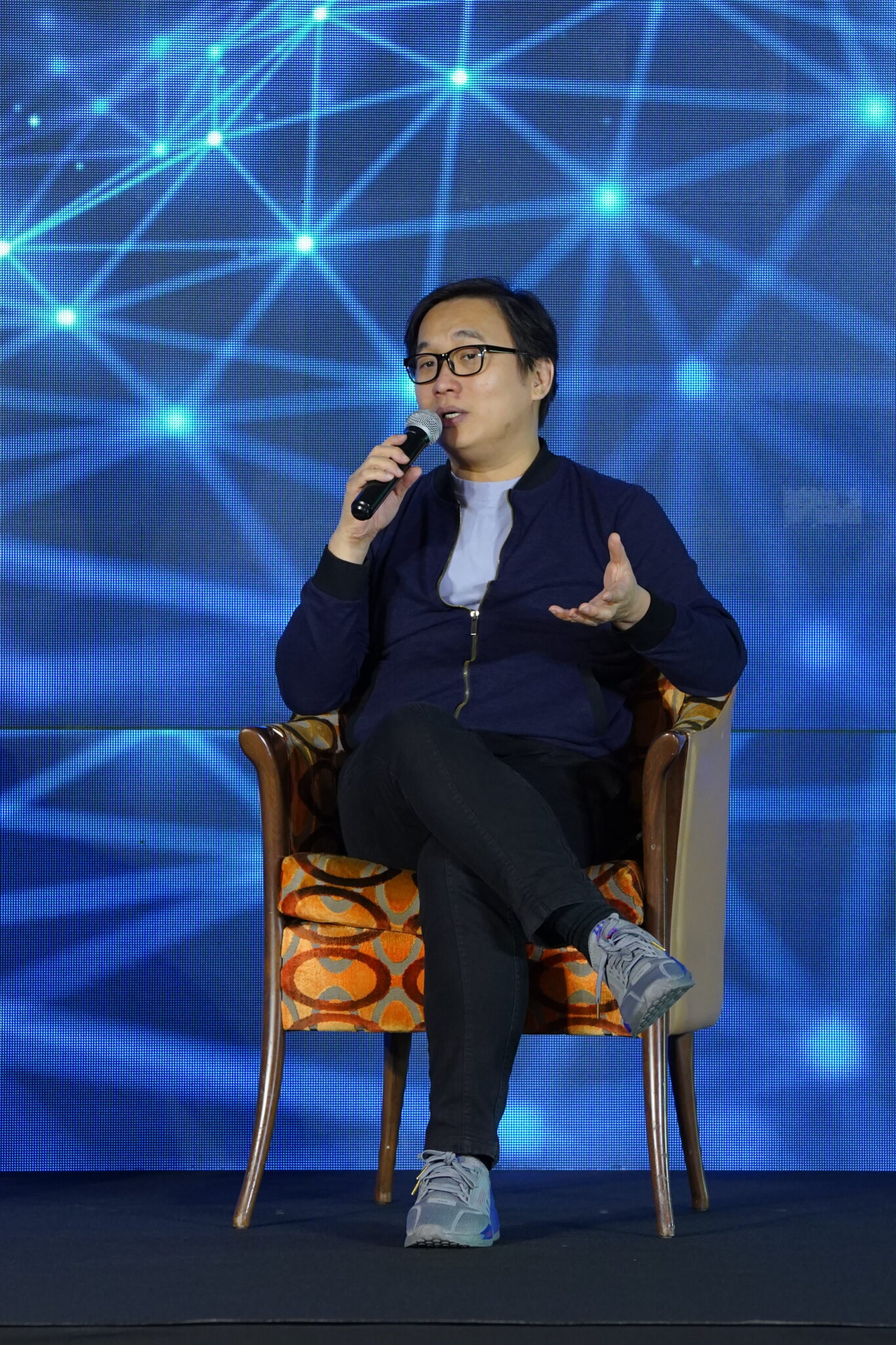
You can see Anndy talking about tokenization in a fireside chat with Faraj Abutalibov, Chief Commercial Officer of the Venom Foundation, at the World Tokenization Summit, held in Dubai last November:
Source: https://www.techopedia.com/anndy-lian-why-rwa-tokenization-is-taking-off

FAQ
How can companies generate revenue through asset tokenization, especially in industries like real estate?
Anndy Lian's response to the question: Companies can generate revenue through various products and increased transaction volumes. While tokenizing properties might face liquidity challenges, offering unique products like securitized tokens or exploring commodities can open up new revenue streams. Successful examples include art tokenization, where the blend of digital and physical value, as seen in projects like Oracle Red Bull Racing’s NFTs, has driven demand and created successful revenue models.
What challenges hinder the widespread adoption of tokenization beyond the hype, and how can these challenges be addressed?
Anndy Lian highlighted that tokenization faces challenges in standardization of asset classes and regulatory frameworks, varying from country to country. The perception that tokenizing a product might not be useful is another obstacle. Addressing these challenges requires a deeper understanding of tokenization’s potential to reduce fraud and enhance traceability. Focusing on the fundamental use cases, such as improving transparency and reducing fraud in financial transactions, can accelerate adoption.
How does blockchain technology contribute to building trust in financial systems, and what are the key considerations for its successful implementation?
Anndy Lian said that blockchain, with its immutable and transparent nature, has the potential to bring trust, immutability, and integrity to financial transactions. Key considerations for successful implementation include interoperability for widespread adoption, decentralization to empower individuals and reduce reliance on centralized authorities, and the utilization of smart contracts for automated and trustless execution of agreements in decentralized finance (DeFi).
What role does education play in the broader acceptance of blockchain and crypto technologies, and how can misconceptions be addressed?
Education is crucial in demystifying blockchain and crypto technologies. Many people view these technologies with skepticism or fear due to misconceptions or a lack of understanding. By providing comprehensive education, showcasing the potential positive impact of blockchain across various industries – from supply chain management to healthcare – and addressing common misconceptions, we can foster broader acceptance and understanding of these technologies.
In what ways can successful integration of blockchain and tokenization democratize access to investment opportunities and empower individuals?
Successful integration of blockchain and tokenization has the potential to democratize access to investment opportunities. This involves creating seamless interoperability between different networks, promoting decentralization to reduce reliance on centralized authorities, and leveraging smart contracts for trustless execution of agreements in decentralized finance. Anndy Lian pointed out that this not only transforms financial systems but also empowers individuals to control their personal data and privacy, mitigating risks associated with centralized data storage.