Regulatory Caution Among Asian Nations Amid Reports of Illicit Financing

Regulatory Caution Among Asian Nations Amid Reports of Illicit Financing

With a plethora of reports of crypto-related terrorist financing having been published in recent weeks, it’s understood that Asian nations may be looking to exercise caution when it comes to the current ongoing process of establishing regulatory guidelines for crypto.

That’s according to a report published by the South China Morning Post (SCMP) on Thursday. The use of cryptocurrency by Hamas to fund its attack on Israel is being seen as the catalyst that may drive authorities in various Asian nations to take a more cautious approach to regulating digital currencies, according to analysts cited by the publication.

Raj Kapoor, the founder of India Blockchain Alliance (IBA), commented on these recent developments, stating:

”It is a kick on the backside for most governments. All regulatory bodies will take a closer look at crypto regulation. Governments will need to start implementing new rules and regulations.”

At the recent G20 summit held in New Delhi, a joint declaration called for the regulation, supervision, and oversight of crypto assets, among other measures. The declaration emphasized the importance of supporting “a coordinated and comprehensive policy and regulatory framework.”

Kapoor stressed the importance of revisiting the declaration and developing solutions to implement its objectives.

Renewed scrutiny

Events in Palestine in recent weeks have led to renewed scrutiny when it comes to monitoring illicit financing activity via cryptocurrency. Only days following the recent Hamas attack, Israeli authorities moved to freeze specified crypto accounts.
That scrutiny has continued in recent days, with more accounts having been frozen on crypto platforms such as Binance, while more still have been identified as suspicious, with requests for further information having been submitted in respect of over 200 additional accounts.
On Wednesday it emerged that the United States Treasury’s Office of Foreign Assets Control (OFAC) had sanctioned a Gaza-based crypto platform.

Potential over-reaction

While crypto-related terrorist financing has been widely publicized, blockchain analytics firm Chainalysis warned on Wednesday that crypto’s role in this illicit activity has likely been overstated. In its blog post on the subject, the firm stated:
“Although terrorism financing is a very small portion of the already very small portion of cryptocurrency transaction volume that is illicit, some terrorist organizations raise, store, and transfer funds using cryptocurrency.”
Additionally, Chainalysis stated that it had seen “overstated metrics and flawed analyses of these terrorist groups’ use of cryptocurrency.” Peter Van Valkenburgh, Director of Research at non-profit crypto advocacy group Coin Center, also believes that reporting on the matter is not balanced. Taking to X, he stated:

“Sensational early reporting on the scale of Hamas crypto fundraising significantly misstated the amounts involved.”

Coin Center’s Director of Communications, Neeraj Agrawal, highlighted an article which claimed that crypto “fueled Hamas’ terror attack on Israel” in its title, only to reveal within the body of the article that “cryptocurrency is still far from the largest funding source for terrorism.”

Anndy Lian, a Singapore-based author and inter-governmental blockchain adviser, noted that while some countries may consider banning cryptocurrencies as a solution, this could merely drive illicit financing underground and make it more challenging to trace and halt. Lian argued that cryptocurrencies are traceable and trackable, unlike traditional fiat currencies like US dollars.

Source: https://coinmarketcap.com/community/articles/6531dbf64a59da6222691216/

j j j

Entertainment’s Next Evolution: AI, Web3, and Data Privacy

Entertainment’s Next Evolution: AI, Web3, and Data Privacy

The ways we consume media, interact with technology, and protect user data are constantly changing. Web3 and Artificial Intelligence (AI) are new technologies that are transforming the media and entertainment landscape even further.

In a panel discussion titled “Reimagine Media & Content Ecosystem with Web3 & AI,” Feida Zhu (Associate Dean at SMU), James Liu (Director at Alibaba Cloud), Raymond Chung (CTO at ZEASN), and Anndy Lian (Advisor at Bybit) discussed the impact of these technologies on the industry.

Here is a recap of the event:

AI and the Changing Face of Television

With the proliferation of smartphones and portable devices, traditional TV viewership has been on the decline. People are now looking for more convenient and interactive ways to consume content. This shift has prompted experts to contemplate the future of television.

Many believe that AI is the key to making television more interactive and engaging. AI can offer personalized recommendations, provide real-time interaction, and enhance the overall viewing experience. AI-powered TVs can respond to voice commands, adapt to users’ preferences, and even offer educational content for children.

Anndy commented:

“AI can transform TV from a passive experience into an interactive one. Imagine a world where your TV is not just a screen but a knowledgeable companion. It can ask what kind of movie you’d like to watch, suggest content based on your preferences, and even help you with tasks like gaming or education.”

He added that AI can play a significant role in generating high-quality content. By using AI technology, content producers can create engaging, diverse, and unique content, ensuring that there is always something exciting to watch.

Raymond shared his experience:

“The integration of AI technology into the content creation process is another exciting prospect. With AI’s ability to generate high-quality content, it becomes possible to produce a plethora of new, engaging materials. This means AI can generate dynamic, interactive, and even personalized content, enhancing the user’s experience.

AI’s capabilities can extend beyond entertainment to areas like education and gaming. For instance, AI can create educational content tailored to a student’s learning style or generate interactive gaming experiences that adapt to a player’s skills and preferences. With AI, content creation is limited only by our imagination.”

Web3 and the Promise of Transparency

As the entertainment industry moves towards a more decentralized and transparent ecosystem, Web3 technology is gaining prominence. Web3, built on the principles of blockchain and decentralized networks, aims to provide a secure and transparent environment for content creators, users, and service providers.

James explained:

“One major advantage of Web3 is data privacy and security. Traditional platforms often collect massive amounts of user data, raising concerns about privacy and data breaches. With Web3, data can be stored securely on decentralized networks, ensuring that users have more control over their personal information.”

Feida continued by say that Web3 also enables creators to tokenize their influence. By using blockchain, content creators can create and manage their tokens, which represent their influence or popularity. These tokens can be traded or used within the ecosystem, creating a more fair and sustainable economy for content creators and their audiences.

Moreover, the transparency of blockchain can help combat piracy issues. Blockchain technology can track and verify content ownership, making it difficult for unauthorized parties to distribute content illegally.

To make the most of AI in user engagement, trust, and control are paramount. We must be cautious of deep fakes and manipulated content. This is where blockchain technology comes in as a control tool. By utilizing blockchain to verify the authenticity of content, we can ensure that what we see and hear is genuine.

Additionally, blockchain can offer transparency and accountability, which are essential in combating misinformation and promoting reliable content. By combining AI’s creativity with blockchain’s security, we can create a safer and more immersive digital landscape.

See the Full Panel Here


Monetization and the Creator’s Economy

Feida emphasized to all that Web 3, with its cryptocurrency and decentralized platforms, opens up new monetization opportunities.

Creators can use Web3 to create and sell non-fungible tokens (NFTs) of their content. This gives them a new way to monetize their work and reach a wider audience. The Creator’s Economy allows users to create content and share their experiences. AI, together with blockchain, can enhance the value of these experiences.

Users can be incentivized to produce content that resonates with a wide audience. From anime to soap operas, the possibilities are endless. AI and blockchain technologies provide a win-win situation for content creators and consumers, driving user engagement to new heights.

The Challenge of Data Privacy

While AI and Web3 technologies hold tremendous promise, they also raise concerns about data privacy. AI models require vast amounts of data to function effectively, and this data can potentially be misused or exploited.

Anndy shared his views:

“The responsibility falls on both service providers and users to protect data privacy. Service providers must design robust systems to ensure that sensitive data is stored securely and accessible only to authorized personnel. Users, on the other hand, need to be cautious about the information they provide and understand the implications of sharing personal data whether is it Web2 or Web3.”

Additionally, the development of privacy-focused AI models and encryption methods is crucial in safeguarding user data in the AI-driven world.

The Bottom Line

The evolution of entertainment is driven by AI, Web3 technology, and the demand for greater data privacy and security. The transformation of television into an interactive experience, the promise of Web3 for transparency and fair content monetization, and the challenges of data privacy all shape the future of the entertainment industry.

As we move forward, it is essential to embrace these technologies while being mindful of data privacy and ethical AI practices. The entertainment industry is on the cusp of a revolution, and only those who adapt to this changing landscape will thrive in the digital age.

This event is supported by Singapore Management University and Moledao.


Source: https://www.techopedia.com/entertainments-next-evolution-ai-web3-and-data-privacy

j j j

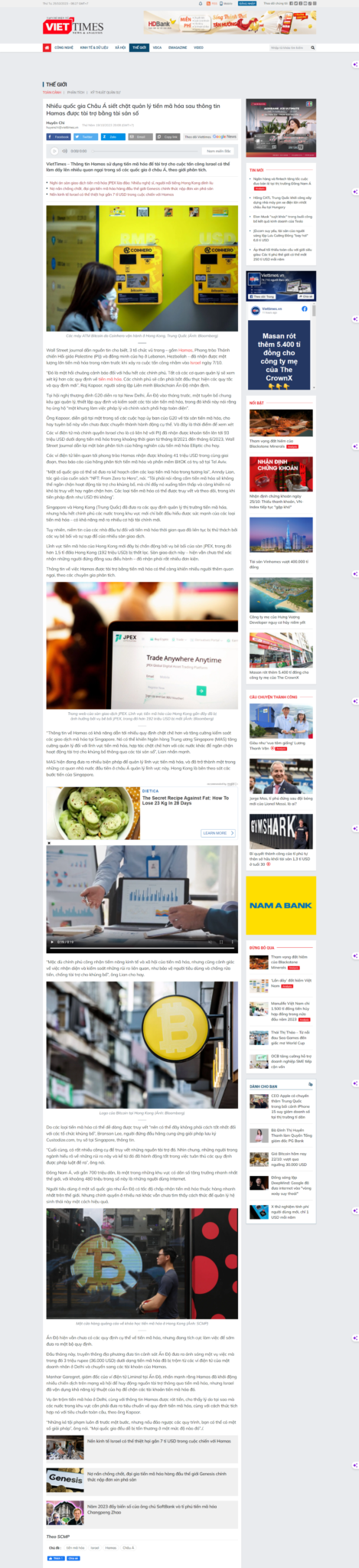
Nhiều quốc gia Châu Á siết chặt quản lý tiền mã hóa sau thông tin Hamas được tài trợ bằng tài sản số

Nhiều quốc gia Châu Á siết chặt quản lý tiền mã hóa sau thông tin Hamas được tài trợ bằng tài sản số

Wall Street Journal dẫn nguồn tin cho biết, 3 tổ chức vũ trang – gồm Hamas, Phong trào Thánh chiến Hồi giáo Palestine (PIJ) và đồng minh của họ ở Lebanon, Hezbollah – đã nhận được một lượng lớn tiền mã hóa trong năm trước khi xảy ra cuộc tấn công nhằm vào Israel ngày 7/10.

“Đó là một hồi chuông cảnh báo đối với hầu hết các chính phủ. Tất cả các cơ quan quản lý sẽ xem xét kỹ hơn các quy định về tiền mã hóa. Các chính phủ sẽ cần phải bắt đầu thực hiện các quy tắc và quy định mới”, Raj Kapoor, người sáng lập Liên minh Blockchain Ấn Độ nhận định.

Tại hội nghị thượng đỉnh G20 diễn ra tại New Delhi, Ấn Độ vào tháng trước, một tuyên bố chung kêu gọi quản lý, thiết lập quy định và kiểm soát các tài sản tiền mã hóa, trong đó khối này nói rằng họ ủng hộ “một khung làm việc pháp lý và chính sách phối hợp toàn diện”.

Ông Kapoor, diễn giả tại một trong số các cuộc họp ủy ban của G20 về tài sản tiền mã hóa, cho hay tuyên bố này vẫn chưa được chuyển thành hành động cụ thể. Và đây là thời điểm để xem xét lại tuyên bố và đưa ra những giải pháp để thúc đẩy nó, ông nói.

Các ví điện tử mà chính quyền Israel cho là có liên hệ với PIJ đã nhận được khoản tiền lên tới 93 triệu USD dưới dạng tiền mã hóa trong khoảng thời gian từ tháng 8/2021 đến tháng 6/2023, Wall Street Journal dẫn lại một bản phân tích của hãng nghiên cứu tiền mã hóa Elliptic cho hay.

Các ví điện tử liên quan tới phong trào Hamas nhận được khoảng 41 triệu USD trong cùng giai đoạn, theo báo cáo của hãng phân tích tiền mã hóa và phần mềm BitOK có trụ sở tại Tel Aviv.

“Một số quốc gia có thể sẽ đưa ra kế hoạch cấm các loại tiền mã hóa trong tương lai”, Anndy Lian, tác giả của cuốn sách “NFT: From Zero to Hero”, nói. “Tôi phải nói rằng cấm tiền mã hóa sẽ không thể ngăn chặn hoạt động tài trợ cho khủng bố, mà chỉ đẩy nó xuống tầm thấp và càng khiến nó khó bị truy vết hay ngăn chặn hơn. Các loại tiền mã hóa có thể được truy vết và theo dõi, trong khi tiền pháp định như USD thì không”.

Singapore và Hong Kong (Trung Quốc) đã đưa ra các quy định quản lý thị trường tiền mã hóa, nhưng hầu hết chính phủ các nước trong khu vực mới chỉ bắt đầu hiểu được sức mạnh của các loại tiền mã hóa – có khả năng mở ra nhiều cơ hội tài chính mới.

Tuy nhiên, niềm tin của các nhà đầu tư đối với tiền mã hóa thời gian qua đã liên tục bị thử thách bởi các vụ bê bối và sự sụp đổ của nhiều sàn giao dịch.

Lĩnh vực tiền mã hóa của Hong Kong mới đây bị chấn động bởi vụ bê bối của sàn JPEX, trong đó hơn 1,5 tỉ đôla Hong Kong (192 triệu USD) bị thất lạc. Sàn giao dịch này – hiện vẫn chưa thể xác nhận những người đứng đằng sau điều hành – đã nhận phải rất nhiều đơn kiện.

Thông tin về việc Hamas được tài trợ bằng tiền mã hóa có thể càng khiến nhiều người thêm quan ngại, theo các chuyên gia phân tích.

“Thông tin về Hamas có khả năng dẫn tới nhiều quy định chặt chẽ hơn và tăng cường kiểm soát các giao dịch mã hóa tại Singapore. Nó có thể khiến Ngân hàng Trung ương Singapore (MAS) tăng cường quản lý đối với lĩnh vực tiền mã hóa, hợp tác chặt chẽ hơn với các nước khác để ngăn chặn hoạt động tài trợ cho khủng bố thông qua các tài sản số”, Lian nhấn mạnh.

MAS hiện đang đưa ra nhiều biện pháp để quản lý lĩnh vực tiền mã hóa, và đã trở thành một trong những cơ quan nhà nước đầu tiên ở châu Á quản lý lĩnh vực này. Hong Kong là bên theo sát các bước tiến của Singapore.

“Mặc dù chính phủ công nhận tiềm năng kinh tế và xã hội của tiền mã hóa, nhưng cũng cảnh giác về việc nhận diện và kiểm soát những rủi ro liên quan, như bảo vệ người tiêu dùng và chống rửa tiền, chống tài trợ cho khủng bố”, ông Lian cho hay.

Do các loại tiền mã hóa có thể dễ dàng được truy vết “nên có thể đây không phải cách tốt nhất đối với các tổ chức khủng bố”, Branson Lee, người đứng đầu hãng cung ứng giải pháp lưu ký Custodize.com, trụ sở tại Singapore, thông tin.

“Cuối cùng, có rất nhiều công cụ để truy vết những nguồn tài trợ đó. Nhìn chung, những người trong ngành hiểu rõ về những rủi ro này và kể từ đó đã hành động tốt trong việc tuân thủ các quy định được pháp luật đề ra”, ông nói.

Đông Nam Á, với gần 700 triệu dân, là một trong những khu vực có dân số tăng trưởng nhanh nhất thế giới, với khoảng 480 triệu trong số này là những người dùng Internet.

Người tiêu dùng ở một số quốc gia như Ấn Độ có tốc độ chấp nhận tiền mã hóa thuộc hàng nhanh nhất trên thế giới. Nhưng chính quyền ở nhiều nơi khác vẫn chưa tìm thấy cách thức để quản lý hệ sinh thái này một cách hiệu quả.

Ấn Độ hiện vẫn chưa có các quy định cụ thể về tiền mã hóa, nhưng đang tích cực làm việc để sớm đưa ra một bộ quy định.

Đầu tháng này, truyền thông địa phương đưa tin cảnh sát Ấn Độ đưa ra ánh sáng một vụ việc mà trong đó 3 triệu rupee (36.000 USD) dưới dạng tiền mã hóa đã bị trộm từ các ví điện tử của một doanh nhân ở Delhi và chuyển sang các tài khoản của Hamas.

Manhar Garegret, giám đốc của ví điện tử Liminal tại Ấn Độ, nhấn mạnh rằng Hamas đã khởi động nhiều chiến dịch trên mạng xã hội để huy động nguồn tài trợ thông qua tiền mã hóa, nhưng Israel đã vận dụng khả năng kỹ thuật của họ để chặn các tài khoản tiền mã hóa đó.

Vụ ăn trộm tiền mã hóa ở Delhi, cùng với thông tin Hamas được rót tiền, cho thấy lý do tại sao mà các nước trong khu vực cần phải đưa ra tiêu chuẩn về quy định tiền mã hóa, cùng với cách thức tích hợp nó với tiêu chuẩn toàn cầu, theo ông Kapoor.

“Những kẻ tội phạm luôn đi trước một bước, nhưng nếu đảo ngược các quy trình, bạn có thể có một số giải pháp”, ông nói. “Mọi quốc gia đều dễ bị tổn thương ở một mức độ nào đó”./.


Source: https://viettimes.vn/nhieu-quoc-gia-chau-a-siet-chat-quan-ly-tien-ma-hoa-sau-thong-tin-hamas-duoc-tai-tro-bang-tai-san-so-post170817.html

j j j