Web2.0 to Web3.0: Unraveling the future of digital infrastructure

Web2.0 to Web3.0: Unraveling the future of digital infrastructure

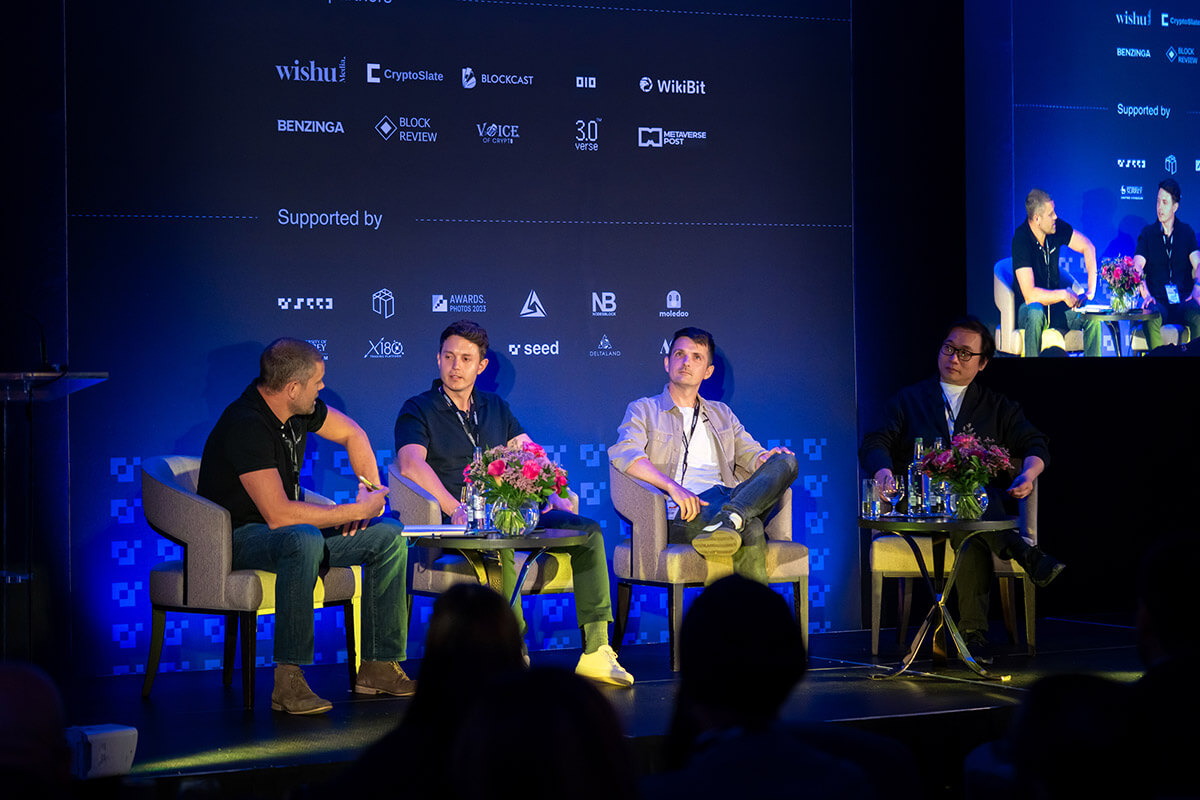
The digital landscape is undergoing a profound transformation, moving from the centralized Web2 era to the decentralized and user-centric universe of Web3. In the ever-evolving landscape of technology and finance, the concept of Web3 and its impact on tokenization and decentralization is gaining momentum. This transformative shift holds the promise of revolutionizing various industries, including finance, gaming, and beyond. On the 3rd of August 2023, thought leaders and experts gathered at The Biltmore Mayfair in London to explore the challenges, opportunities, and potential use cases that lie ahead.

A New Horizon for Real Estate: Tokenizing Real-World Assets

The fusion of Web3 technology and traditional real estate ownership has opened doors to innovative possibilities. Just as paintings have held value for centuries, real estate can be seen as a tangible asset that can be owned, bought, and sold. However, what sets Web3 apart is the ability to tokenize these real-world assets on a blockchain.

Through blockchain technology, ownership of real estate can be represented by digital tokens. This has the potential to democratize real estate investments, allowing fractional ownership and lowering the entry barriers for retail investors. By tokenizing properties, individuals can invest smaller amounts and still have a stake in valuable real estate holdings.

Unveiling the Potential: Tokenization of Metals and Commodities

Expanding beyond traditional assets, Web3 technology is poised to disrupt the world of commodities and metals. One exciting development is the tokenization of metals using blockchain, allowing investors to own a fraction of metals like gold and silver. This has the potential to democratize the commodities market, making it accessible to both institutional and retail investors.

Tokenization also enables fractional ownership, enabling investors to purchase small amounts of metals, sometimes as low as ten dollars. Moreover, the option to request physical delivery of the metals adds an interesting twist, catering to industries such as electric vehicle and electronics production. Previously limited to certified exchanges, this new approach opens doors for broader participation.

Challenges and Opportunities in the Crypto Market

While the potential of Web3 and tokenization is exciting, there are challenges that need to be addressed. The cryptocurrency market, which is central to the Web3 ecosystem, faces issues such as volatility, security concerns, and regulatory uncertainties. Negative news, exchange shutdowns, and security breaches have contributed to an environment of instability.

Institutional investors could play a pivotal role in stabilizing the crypto market. By embracing cryptocurrencies and tokenized assets, established players like Tesla can not only diversify their holdings but also streamline cross-border transactions. However, the regulatory landscape remains uncertain in many jurisdictions, where the distinction between security, asset-backed, and utility tokens can impact businesses’ operations.

Navigating Web3: The Transition to Decentralization

The transition to Web3 and decentralization presents a significant paradigm shift. As we move from centralized systems to decentralized networks, there are obstacles to overcome. The instinct to centralize, driven by the benefits of control and financial advantages, can hinder progress. Navigating this shift requires finding solutions to the difficulties of monetization, regulatory compliance, and overcoming vested interests.

To succeed in this transition, a focused approach is crucial. Developing clear and pragmatic use cases for Web3 technologies, such as NFTs (non-fungible tokens) and decentralized finance (DeFi) platforms, can help explain their value proposition to a broader audience. Regulatory frameworks must also evolve to accommodate these new technologies while ensuring consumer protection.

Web3 and the Gaming Industry: A Gateway to Mass Adoption

One of the most promising avenues for Web3 adoption is the gaming industry. Gaming has already embraced digital assets, and the concept of virtual ownership is well-established. With the advent of NFTs, players can own and trade in-game items, characters, and assets, bringing a new dimension to gameplay.

This synergy between Web3 technology and gaming is driving mass adoption. Gamers are familiar with digital assets and tokenization, making the transition to blockchain-based systems smoother. This seamless integration can serve as a gateway for users to experience the benefits of Web3 technology, encouraging them to explore other sectors.

The Future Unveiled: Bridging Real and Virtual Worlds

As we gaze into the future, it’s evident that Web3 will redefine how we interact with assets, both physical and digital. The tokenization of real-world assets and commodities has the potential to democratize investments, offering accessibility and flexibility. Challenges such as regulation and security must be addressed, fostering a conducive environment for the growth of Web3.

Incorporating Web3 into gaming experiences accelerates its adoption, making it an integral part of the digital landscape. As Web3 matures, its impact will transcend industries, reshaping the way we engage with assets, transactions, and networks. The journey to Web3 is not without hurdles, but its transformative potential is undeniable.

As we navigate this landscape, the balance between innovation and regulatory compliance will shape the future of Web3. The promise of decentralized systems, enhanced ownership, and a more inclusive financial world lies ahead. The dawn of Web3 heralds a new era of possibilities, where the fusion of technology and finance paves the way for a decentralized future.

Meet The Panelists

The panel was moderated by Anndy Lian, an Intergovernmental Blockchain Advisor and author of “NFT: From Zero to Hero.” The distinguished panelists included:

  • Tim Aron, Barrister at Minerva Chambers and External Counsel for Tether and Bitfinex Securities.
  • Talgat Dossanov, Founder & CEO of Biteeu Exchange.
  • Rafal Trepka, General Manager for Central Asia at Mastercard.
  • Daryna Rabinova, Institutional Business Manager at Huobi.

Each panelist brought their unique expertise to the table, providing valuable insights into the various facets of Web3 and its potential impact on the digital infrastructure of the future.

In conclusion, the journey from Web2 to Web3 represents a seismic shift in the digital landscape. It’s a transformation driven by decentralization, user empowerment, and blockchain technology. As we continue to explore the possibilities of Web3, it’s clear that this new paradigm holds the potential to reshape industries, redefine ownership, and empower individuals in ways we have never seen before. The discussions at The Biltmore Mayfair on August 3rd, 2023, served as a testament to the exciting and dynamic future of digital infrastructure in the Web3 era.


Source: https://www.financialexpress.com/business/digital-transformation-web2-0-to-web30-unraveling-the-future-of-digital-infrastructure-3237275/

j j j

NFTs and super brands: A deep dive into web3

NFTs and super brands: A deep dive into web3

In a world where technology evolves at lightning speed, it’s no surprise that the business landscape is constantly shifting. One of the latest and most talked-about developments is the rise of NFTs (Non-Fungible Tokens) and their integration into the strategies of “super brands.” To shed light on this topic, a panel discussion featuring experts from various fields share insights on the complexities of NFT adoption among super brands.

Super brands are more than just products or services; they are cultural phenomena. These brands have transcended their industries to become status, identity, and aspiration symbols. Their power is not limited to marketing; it extends to influencing consumer behavior, market trends, and even social movements. The bond between super brands and their fans is built on trust, shared values, and a sense of belonging.

NFT Panel
Investor Anndy Lian hosts a panel at web3wave discussing the potential of NFTs for brands.

The Quest for Fan Engagement

Dan Mitchell, representing Oracle Red Bull Racing, introduced himself as the Web3 lead. Before entering the world of cryptocurrency and Web3, he had worked extensively in advertising, collaborating with global brands on brand strategy and advertising campaigns. Dan discussed how the Red Bull Racing team utilizes Web3 technology to engage racing fans, emphasizing the importance of putting fans at the core of their strategy.

Formula 1 teams understand the hunger of their fans. The desire to feel emotionally connected to the team, to access exclusive content, and to engage with their favorite drivers is palpable. However, with most fans unable to attend races in person, finding innovative ways to bridge the gap is the challenge.

The question that often arises is, “How do we best use Web3 technology to provide fans with emotionally engaging experiences?” Whether it’s about getting closer to the drivers, accessing team principals like Christian Horner, or offering exclusive perks through loyalty reward programs, the potential of Web3 in enhancing fan engagement is vast.

Dan explained:

“We are using Web3 technologies to engage with our fans. It has been a unique journey for our side, and thanks to Bybit, we understand how to manage Web3 a lot easier.”

The Challenge of NFTs and Utility

As the discussion at the NFT conference suggests, Web3 technology, particularly NFTs, should be invisible to the end-user. It’s not about slapping an “NFT” label on a product or experience and expecting it to succeed. The true success lies in crafting an exceptional underlying experience for customers.

Anndy Lian, a book author and licensed fund manager in Singapore, shared his expertise. He discussed the rapid evolution of NFTs, emphasizing their potential as a gateway to larger communities and technology adoption. Andy also highlighted the importance of utility tokens and the value of creating meaningful user experiences.

“NFT gaming is more than just owning a digital sword; it’s about the experience and usefulness it provides within the game. Formula 1 discovered this when they first experimented with NFTs by offering digital helmets and race suits without any clear purpose. Fans were left wondering what they could do with these digital assets. Our partnership with Oracle Red Bull Racing on the newly launched Velocity Series addresses these concerns. We collaborate with successful NFT artists to incorporate racing characteristics into the art. In this case, the value and usefulness are in the art itself, not just as an NFT, as Anndy stated.”

Learning from Mistakes and Customer-Centric Approach

Liverpool Football Club’s early NFT launch serves as a cautionary tale. They released NFTs without a clear utility, mirroring traditional merchandise. However, they understood their audience better when they partnered with Meta for NFT-based clothing. They used terminology their fans understood, focusing on “collectible avatars” and “coins” instead of complex NFT jargon. This approach led to a highly successful project, with three million wallets opened on the first launch.

Reddit, another big brand, ventured into Web3 by offering customizable avatars without emphasizing NFTs, but instead focused on user identity and opinions. This strategy resonated with their audience and resulted in significant success.

The above points were highlighted by Tom Downing, representing the British Interactive Media Association. He highlighted his role in educating brands and businesses about Web3, and he mentioned a Web3 education business called “Roster3,” which offers an accredited mini-MBA in Web3.

The Reality Check

However, amidst all the excitement, it’s essential to remember that not every Web3 venture is groundbreaking. Some may still appear gimmicky. The key is to offer a unique technology that brings transparency, accountability, and genuine value to users. In the case of NFTs, simply replacing traditional offerings with digital versions won’t suffice.

Ben Radcliffe, representing Amber Group, a crypto-native financial services firm, echoed Anndy’s point. He emphasized the need for brands to understand the “why” behind their Web3 initiatives and how these initiatives can create value for users. He has also highlighted the challenges and opportunities for super brands entering the Web3 space. He emphasized the need for brands to have a legitimate reason for adopting Web3 technology beyond just chasing the latest trend.

Conclusion

The potential future directions for super brands in the Web3 space is positive. The possible expansion areas, include NFT ticketing, fan-based tokens, and immersive experiences in the metaverse. Andy emphasized that brands should focus on delivering value and experiences to users with a long-term perspective.

As the panel discussion concluded, it became clear that super brands are taking significant steps into the Web3 world. While NFTs provide exciting opportunities for fan engagement and revenue generation, brands must be strategic.

The success of Web3 initiatives hinges on providing genuine value and creating immersive experiences for users. In this fast-evolving landscape, the future of super brands in Web3 holds the promise of exciting developments and innovations.

Web3wave Summit was organized on the 3rd of August in London. Experts from Binance, Bybit, Coinbase, Mastercard, Bitfinex, Huobi, Oxford University, and many others were present. Her Excellency Uddin, Member of the House of Lords, gave a keynote speech on her vision for Web3 and Metaverses. The event was supported by Benzinga, Coingecko, CryptoSlate, Seed.Photo, Blockcast.cc, Blockreview, Followin, Moledao, AOI, Custodiy, Bitverse, Riple, Tusima, Pollen Defi and Wishu Media etc.


Source: https://cryptoslate.com/nfts-and-super-brands-a-deep-dive-into-web3/

j j j

Crypto trading landscape: Insights from Bybit, CEX.IO, Huobi and GoodCrypto

Crypto trading landscape: Insights from Bybit, CEX.IO, Huobi and GoodCrypto

According to key CEX players, success in the crypto industry hinges on adapting to client needs, navigating regulatory changes and prioritizing mass crypto education.

The virtual roundtable, hosted by Cointelegraph on Twitter Spaces, brought together key team members from the largest centralized exchanges (CEXs), including Bybit, CEX.IO and Huobi, to discuss current industry challenges and trends in crypto trading. Speakers also included Maksim Hramadtsou, co-founder of GoodCrypto, an all-in-one trading and portfolio management app and member of the Cointelegraph Accelerator.

All speakers noted that the challenges they’re facing are the result of a complicated regulatory landscape, especially in some parts of the world such as the United States, a loss of user confidence due to FTX and other major industry events, liquidity drying up and the consequences of a bear market. They shared strategies for navigating through the uncertainty of the current state of the industry.

Becky Sarwate, head of communications at CEX.IO, doesn’t see increased regulation as an obstacle, as she believes regulation is the key to global crypto adoption. She emphasized the importance of educating users not only on how to use CEX but also on the basics of crypto and the processes behind crypto, without technical terms or detailed descriptions of use cases. “If we really want to welcome newcomers to space, we need to limit the jargon and techno-speak to show the possibilities that really exist in space,” Sarwate said. “In our case, we teach people through the university within our platform, our leadership and values, which we’ve been nurturing throughout CEX.IO’s history.”

Edward Chen, general manager of the Asset and Commercial Center at Huobi, noted the lack of use cases related to the application layer. “Everyone is talking about infrastructure, but not the application layer, where we’ve only seen a few projects. There’s still a lot to be done there from the traditional world, such as crypto and fiat off-ramp solutions, so we provide a bridge between these scenarios to support trading demand,” he said. Among Huobi’s strategies to maintain its position in the market, Chen cites partnerships with traditional finance (TradFi) players, a strong research team to detect market trends ahead of competitors and risk management tools for users.

Bybit takes a different approach, as its adviser, Anndy Lian, pointed out with the example of its recent collaboration with Oracle Red Bull Racing: “Together we launched an NFT collection ‘Velocity Pass’ almost three weeks ago, which has sold quite well despite the fact that the NFT market is not performing strongly. I think whatever the market, bull or bear, as long as you have a good product, you will always be on the right track.” Lian said Bybit has managed to stay ahead of the competition by correctly anticipating the regulatory framework, working closely with various communities and stakeholders at the government and business levels, and constantly supporting customers, including providing artificial intelligence (AI) services. “In the longer term, it turns into a trust when done on a daily basis,” he said.

Maksim Hramadtsou of GoodCrypto noted the shift in traders’ preferences, which are now more toward decentralized exchanges (DEXs). “It’s not only because of FTX but also liquidity, which is not having the best times. Maybe over time, they [users] will change their minds because CEXs are faster, have better liquidity and lower fees. But we try to be with our customers where they are now.” Hramadtsou mentioned that GoodCrypto supports over 35 exchanges and offers tools that are not native to these exchanges but are commonly used by many traders, especially those from TradFi. These tools include trading stops, dollar-cost averaging (DCA) and grid trading bots, as well as the ability to activate any order via webhooks. “So for those who use multiple platforms at the same time, which is absolutely standard practice and creates interesting dynamics in the market, GoodCrypto is a good option as traders can easily switch between exchanges,” said Hramadtsou.

In terms of current trends that will remain and shape the future of the industry, Sarwate highlighted the growing synchronicity between TradFi and decentralized finance (DeFi), which will continue, while Hramadtsou predicted the growth of DEXs built on layer 2. Lian added: “I hope to see more tokenized products in the space, such as securities, commodities, derivatives or equities because it can bring more traditional players into crypto and therefore bring competitiveness and a variety of products. It can take us to new heights.”


Source: https://cointelegraph.com/news/crypto-trading-landscape-insights-from-bybit-cexio-huobi-and-goodcrypto


j j j