Evaluation of Advantages and Disadvantages of Transition from Traditional Database Structure to Blockchain Database Structure | Ministry of Industry and Technology of Turkiye

Evaluation of Advantages and  Disadvantages of Transition from Traditional Database Structure to Blockchain Database Structure  | Ministry of Industry and Technology of Turkiye

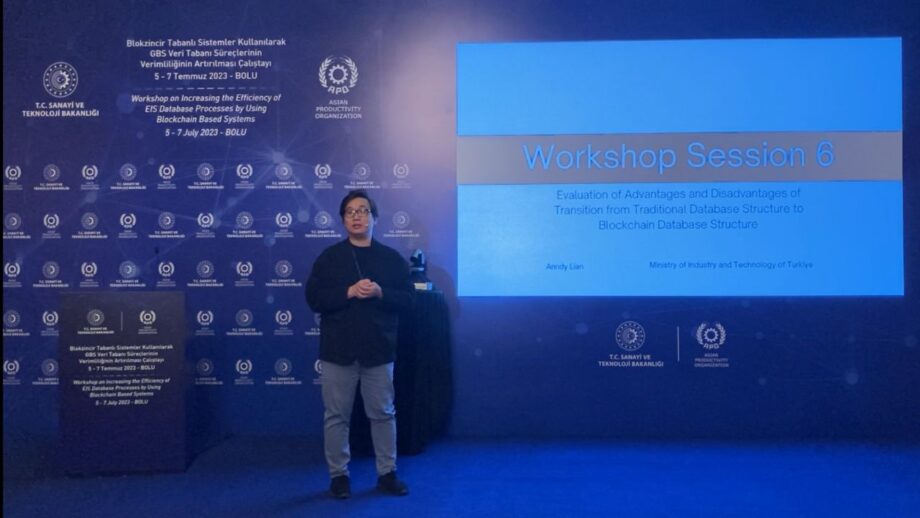
Anndy Lian will explore the advantages and disadvantages of two different database structures – traditional databases and blockchain architecture. Understanding the main differences between these two systems will help organizations determine which one best suits their needs for data management and security.

The traditional database operates within a client-server architecture, where clients, i.e., end-users, send requests to a server that houses the database. Communication occurs through Open Database Connectivity, and access is fortified by login credentials to ensure security. For instance, in a hospital setting, confidential health records may be accessible to users directly from the website without necessitating a user account.

On the other hand, blockchain technology emerges as a transformative force, offering various architectural models like permissioned, private, and hybrid blockchains. Each node within a blockchain network possesses a complete copy of the entire blockchain. Transactions are recorded in blocks, and mechanisms like Proof-of-Work (PoW) validate and secure these transactions. The decentralized nature of blockchain ensures that no single administrator has complete control over the data, elevating security, transparency, and trust in the system.

The advantages of a blockchain database are noteworthy. Firstly, data recorded on the blockchain becomes immutable, fostering transparency and integrity. Secondly, blockchain technology employs robust security through cryptographic techniques, reducing the risk of data breaches. Thirdly, public blockchains allow anyone to view all transactions, promoting transparency and accountability. Additionally, smart contracts on blockchain automate processes, minimizing the need for intermediaries and reducing costs. Lastly, the decentralized nature of blockchain builds trust among participants, eliminating the need for a central authority.

However, alongside these advantages come certain disadvantages. Implementing and maintaining a blockchain database requires specialized skills and expertise. Blockchain networks may face performance issues with high transaction volumes, leading to scalability concerns. Moreover, smart contract bugs and security issues pose potential exploits, requiring vigilant attention. Organizations must also ensure compliance with data protection laws and industry-specific regulations when utilizing blockchain technology. The process of transferring data from a traditional database to a blockchain database can be time-consuming and error-prone.

Alternatively, traditional databases offer unique advantages. They provide more flexibility and customization options, catering to specific business requirements. Extensive usage and testing make traditional databases stable and reliable. Additionally, centralized database management allows for easy control and monitoring of data security, and for certain use cases like confidential reports and frequently modified data, traditional databases can be more cost-effective.

Nonetheless, traditional databases have their share of drawbacks. Centralized control raises concerns about data privacy and misuse by administrators. Users may question the trustworthiness of a system controlled by a single authority. A centralized database also poses a risk of data loss if the system fails or experiences downtime. Furthermore, sharing data with third-party vendors may raise privacy and security issues.

Ultimately, the decision between a traditional database and blockchain architecture hinges on specific requirements and use cases. Organizations need to conduct feasibility studies and risk assessments to make informed decisions. Blockchain technology offers compelling advantages, including transparency, security, and immutability, but it also presents challenges like complexity and scalability. On the other hand, traditional databases provide stability, customization, and cost-effectiveness but may lack the decentralization and transparency benefits of blockchain.

As blockchain technology continues to mature, we anticipate its integration into various industries and processes, enabling new levels of security, efficiency, and trust. Governments, organizations, and businesses must diligently evaluate their needs and embrace the appropriate database structure to achieve their goals effectively and securely. The road ahead promises exciting possibilities, and by leveraging the right technology, they can unlock new horizons of success.

This video is part of a consultation session on “Technical Expert Service on Improvement of Public Sector Efficiency Using Blockchain-based Database”. The implementing organizations include the Ministry of Industry and Technology of Turkiye and the Asian Productivity Organization. The event was held in Ankara and Bolu, Turkiye, from 4–7 July 2023.


Anndy Lian is an early blockchain adopter and experienced serial entrepreneur who is known for his work in the government sector. He is a best selling book author- “NFT: From Zero to Hero” and “Blockchain Revolution 2030”.

Currently, he is appointed as the Chief Digital Advisor at Mongolia Productivity Organization, championing national digitization. Prior to his current appointments, he was the Chairman of BigONE Exchange, a global top 30 ranked crypto spot exchange and was also the Advisory Board Member for Hyundai DAC, the blockchain arm of South Korea’s largest car manufacturer Hyundai Motor Group. Lian played a pivotal role as the Blockchain Advisor for Asian Productivity Organisation (APO), an intergovernmental organization committed to improving productivity in the Asia-Pacific region.

An avid supporter of incubating start-ups, Anndy has also been a private investor for the past eight years. With a growth investment mindset, Anndy strategically demonstrates this in the companies he chooses to be involved with. He believes that what he is doing through blockchain technology currently will revolutionise and redefine traditional businesses. He also believes that the blockchain industry has to be “redecentralised”.

j j j

AAAI 2023 Inaugural Summer Symposium: Financial Innovation in the Age of Web3

AAAI 2023 Inaugural Summer Symposium: Financial Innovation in the Age of Web3

In the dynamic world of technology, two key elements have emerged as driving forces of transformation: Web3 and Artificial Intelligence (AI). Web3, the decentralized web, and AI, the power of smart machines, have the potential to reshape the landscape of financial innovation. AAAI 2023 Inaugural Summer Symposium explores the opportunities and challenges presented by these cutting-edge technologies in the financial sector. The panel titled “Financial Innovation in the Age of Web3” is moderated by Prof. Feida Zhu (SMU) and with the panel of experts: Haidong Chen (Alibaba Cloud Intelligence), Wilson Wu (Ava Labs), Martha Zhang (StarryNift), Thomas Yu (KNN3) and Anndy Lian (Bybit).

Web3: Beyond Web2

Feida started the panel by setting the tone “The biggest change we have right now is the removal of the intermediary with web3 and decentralized finance happening.”

Web3 represents a paradigm shift from the traditional centralized Web2. It eliminates intermediaries, empowering users with direct control over their assets and data. The transition to Web3 allows for seamless and efficient peer-to-peer transactions, enhancing financial services. Notable developments in this domain include decentralized finance (DeFi), which offers exciting prospects for lending and growing assets without intermediaries.

The interoperability of Web3 opens the door to groundbreaking collaborations across various applications, resulting in a more integrated and user-centric experience. From social graphs to gamified experiences, the potential for value generation and asset utilization is vast. Web3 is not confined to crypto enthusiasts; even traditional financial institutions are incorporating elements of Web3 into their systems, bridging the gap between the two worlds.

Haidong raised a good point “The challenge is achieving mass adoption and integrating traditional financial systems with Web3.”. Mass adoption of Web3 remains a challenge. The convergence of Web2 and Web3, along with existing regulatory systems, calls for careful navigation. Striking a balance between old and new money while ensuring cybersecurity in a world where automated machine-generated content poses risks requires thoughtful consideration.

AI: The Game-Changer

The rise of AI has been nothing short of transformative. Its efficiency and automation capabilities have reshaped industries across the board. In the context of financial innovation, AI offers significant security and content generation opportunities. Machine learning algorithms can efficiently analyze vast amounts of data, enabling improved risk management and compliance.
Wilson added: “The challenge is to ensure security, compliance, and risk management in a world where machine-generated content and cyber attacks are prevalent.” For instance, AI-driven content generation could lead to abundant valuable information. On the flip side, it raises concerns about potential misinformation and its impact on cybersecurity. With AI-generated attacks becoming a real possibility, safeguarding against cyber threats becomes more critical.

Anndy agreed and expanded on the point “AI and Web3 can work hand-in-hand to revolutionize financial services. AI-powered language models can simplify programming on blockchain platforms like Web3, enhancing app development and security. By combining the strengths of both technologies, financial services can be streamlined and made more accessible.”

Navigating the Future

The fusion of Web3 and AI promises a bright future for financial innovation. Embracing decentralization, enhancing security measures, and ensuring seamless interoperability is key to harnessing the full potential of Web3. Meanwhile, leveraging AI’s efficiency while being cautious about potential pitfalls will drive better financial solutions.

In conclusion, the convergence of Web3 and AI holds immense promise for reshaping financial services in the age of innovation. As these technologies continue to evolve, financial institutions, businesses, and individuals must adapt to a new era of possibilities. By embracing these advancements thoughtfully and responsibly, we can unlock a future filled with endless opportunities for growth and prosperity.

The panel was held on 18 July 2023. Hosted by Singapore Management University (SMU) and co-hosted by Moledao.

Socials:

Facebook: http://www.facebook.com/anndylian
Twitter: http://www.twitter.com/anndylian
Instagram: http://www.instagram.com/liananndy
LinkedIn: https://www.linkedin.com/in/anndylian/
Homepage: http://www.anndy.com
YouTube: https://www.youtube.com/@AnndyLian

Anndy Lian is an early blockchain adopter and experienced serial entrepreneur who is known for his work in the government sector. He is a best selling book author- “NFT: From Zero to Hero” and “Blockchain Revolution 2030”.

Currently, he is appointed as the Chief Digital Advisor at Mongolia Productivity Organization, championing national digitization. Prior to his current appointments, he was the Chairman of BigONE Exchange, a global top 30 ranked crypto spot exchange and was also the Advisory Board Member for Hyundai DAC, the blockchain arm of South Korea’s largest car manufacturer Hyundai Motor Group. Lian played a pivotal role as the Blockchain Advisor for Asian Productivity Organisation (APO), an intergovernmental organization committed to improving productivity in the Asia-Pacific region.

An avid supporter of incubating start-ups, Anndy has also been a private investor for the past eight years. With a growth investment mindset, Anndy strategically demonstrates this in the companies he chooses to be involved with. He believes that what he is doing through blockchain technology currently will revolutionise and redefine traditional businesses. He also believes that the blockchain industry has to be “redecentralised”.

j j j

Creating and Managing Blockchain Databases in the Public Sector | Ministry of Industry and Technology of Turkiye

Creating and Managing Blockchain Databases in the Public Sector  | Ministry of Industry and Technology of Turkiye

Blockchain technology has been creating significant impacts across industries, and the public sector is no exception. Its transformative potential to revolutionize data management and bolster security has attracted the attention of government agencies and organizations globally. In this presentation, Anndy Lian sheds light on the steps involved in creating and managing blockchain databases within the public sector, along with crucial factors to ensure successful implementation.

Empowering the Public Sector with Blockchain

Before delving into the technical aspects of blockchain databases, it’s essential to emphasize the goal of empowering the people on the ground with the right knowledge. By equipping individuals with the ability to understand blockchain technology, they can communicate effectively and ask relevant questions when engaging with experts or vendors for blockchain solutions. This understanding ensures that the right decisions are made and the system is structured efficiently.

Choosing the Right Blockchain Platform

When implementing a blockchain database, the first crucial decision is to choose the right blockchain platform. There are various options available, but two of the simplest and widely used ones are private and public blockchains.

Private Blockchain

Private blockchains are suitable for organizations seeking enhanced security for their data, ensuring only authorized participants have access to the network. IBM is a prominent example of using private blockchains to establish secure and efficient collaboration among trusted participants. By implementing strong identity verification measures, private blockchains maintain a certain level of transparency while streamlining processes.

Public Blockchain

Public blockchains, like Ethereum, offer an open and decentralized approach. They allow anyone to access and participate in the network. While this openness can lead to concerns about data privacy, it can be advantageous in certain scenarios, especially for public organizations seeking a higher level of transparency.

Essential Steps to Create a Blockchain Database

Whether you opt for a private or public blockchain, the process of creating a blockchain database involves fundamental steps. Here’s a concise guide to get you started:

1. Choose the Right Blockchain Platform

Select the blockchain platform that aligns with your organization’s goals and requirements. Determine if you need a private blockchain for heightened security or if a public blockchain’s transparency suits your needs better.

2. Decide on the Programming Language

The choice of programming language plays a significant role in developing blockchain-based applications. Depending on the blockchain platform, you can opt for languages such as Go, JavaScript, Python, Golang, C++, or Rust. Choose a language with an active developer community for ample support.

3. Define Data Structure

Once the programming language is chosen, define the data structure for your blockchain database. Consider what information you want to put on the chain and how you plan to verify and validate the data.

4. Establish Consensus Mechanism

Decide on the consensus mechanism that governs how data is added and validated on the blockchain. The consensus mechanism could be Proof-of-Work (PoW), Proof-of-Stake (PoS), or other variations. Each mechanism comes with its advantages and trade-offs, so choose wisely based on your specific needs.

5. Implement Security Measures

Security is paramount in any blockchain implementation. Implement robust identity verification, access control, and encryption measures to protect sensitive data and ensure the integrity of the system.

6. Test and Deploy

Thoroughly test your blockchain database before deployment. Identify and resolve any issues to ensure smooth functionality.

7. Governance and Consensus Upgrades

Set up governance rules and consensus mechanisms that allow the network to adapt to changing needs and upgrades. This flexibility ensures that the blockchain database can evolve with your organization’s requirements.

Considerations for Effective Management

Managing a blockchain database involves ongoing tasks and considerations to ensure its efficient operation:

Scalability and Performance

Address scalability and performance concerns by exploring solutions like hybrid blockchains or Layer Two solutions. These can enhance transaction speed and optimize the overall performance of the blockchain database.

Network Monitoring and Maintenance

Maintain a vigilant approach to network monitoring and regular maintenance. Ensure that all servers and nodes are functioning correctly to avoid downtime and potential security breaches.

Data Verification and Validation

Design a robust data verification and validation process to ensure data integrity and prevent fraudulent activities. This process is critical, especially in contexts like e-voting systems, where the accuracy of data is paramount.

Collaboration with External Experts

It is also important to engage with external experts who can offer valuable advice and insights. Collaborating with experienced blockchain consultants or seeking advice from other government organizations that have successfully implemented blockchain can be highly beneficial.

Implementing and managing blockchain databases in the public sector is a transformative endeavor with vast potential. The choice of the right blockchain platform, programming language, and consensus mechanism is crucial. While private blockchains offer enhanced security, public blockchains provide transparency and openness. The steps to create a blockchain database are not as complex as they may seem, and the benefits of proper implementation are substantial. By empowering the public sector with blockchain technology, governments can enhance data management, increase security, and improve efficiency for the betterment of society as a whole.

This video is part of a consultation session on “Technical Expert Service on Improvement of Public Sector Efficiency Using Blockchain-based Database”. The implementing organizations include the Ministry of Industry and Technology of Turkiye and the Asian Productivity Organization. The event was held in Ankara and Bolu, Turkiye, from 4–7 July 2023.


Anndy Lian is an early blockchain adopter and experienced serial entrepreneur who is known for his work in the government sector. He is a best selling book author- “NFT: From Zero to Hero” and “Blockchain Revolution 2030”.

Currently, he is appointed as the Chief Digital Advisor at Mongolia Productivity Organization, championing national digitization. Prior to his current appointments, he was the Chairman of BigONE Exchange, a global top 30 ranked crypto spot exchange and was also the Advisory Board Member for Hyundai DAC, the blockchain arm of South Korea’s largest car manufacturer Hyundai Motor Group. Lian played a pivotal role as the Blockchain Advisor for Asian Productivity Organisation (APO), an intergovernmental organization committed to improving productivity in the Asia-Pacific region.

An avid supporter of incubating start-ups, Anndy has also been a private investor for the past eight years. With a growth investment mindset, Anndy strategically demonstrates this in the companies he chooses to be involved with. He believes that what he is doing through blockchain technology currently will revolutionise and redefine traditional businesses. He also believes that the blockchain industry has to be “redecentralised”.

j j j