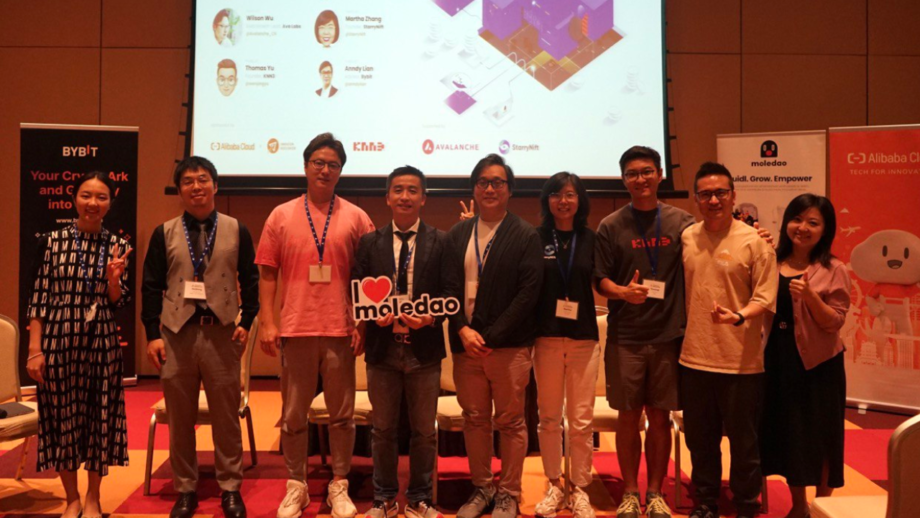
Panel Discussion: The Effective Future of NFTs

Panel Discussion: The Effective Future of NFTs

In a captivating discussion panel centered around the future of non-fungible tokens (NFTs), experts from various fields gathered to shed light on the transformative power of these unique digital assets. With the emergence of NFTs, the realms of art, entertainment, and digital ownership have been revolutionized, capturing the attention of creators, collectors, and big brands alike. This panel delves into the potential impact of NFTs in shaping the digital landscape, highlighting their benefits within the metaverse and the revolutionary concept of ownership.

The Rise of NFTs: Redefining Value and Exchange:

The rise of non-fungible tokens (NFTs) has ushered in a new era in which the very concept of value and exchange in the digital world has been redefined. These unique digital assets have revolutionized the landscape for artists, musicians, and content creators, offering them fresh opportunities to monetize their work while establishing direct connections with their audiences. By circumventing traditional intermediaries, this direct interaction has not only heightened the artistic significance of their creations but has also opened doors for them to showcase their talent and cultivate sustainable careers.

In the past, artists often faced numerous challenges in realizing the full value of their work. They relied heavily on intermediaries such as galleries, agents, or record labels to reach their target audience and secure fair compensation. However, with the advent of NFTs, artists now have the ability to forge a direct link with their fans and collectors. By leveraging blockchain technology, they can tokenize their creations and offer them as limited-edition digital assets, each with its own unique signature and value.

This revolutionary approach to value and exchange has significantly transformed the art market. Artists are no longer confined by geographical limitations or restricted to traditional exhibition spaces. Instead, they can showcase their work to a global audience, transcending boundaries and reaching enthusiasts who appreciate their artistic vision. Through NFTs, artists have a direct line of communication with their audience, fostering a deeper sense of connection and engagement.

The impact of NFTs extends beyond the art world. Musicians, too, have embraced this new paradigm. With NFTs, musicians can tokenize their music, creating digital albums, singles, or even concert experiences that can be bought, sold, and owned by fans. This shift in approach enables musicians to generate revenue in innovative ways, bypassing the traditional reliance on music sales or streaming platforms. By directly connecting with their audience through NFTs, musicians can cultivate a loyal fanbase, offering exclusive content, personalized experiences, or even unique merchandise tied to their digital assets.

The ability to monetize digital creations through NFTs has unlocked immense potential for content creators across various industries. From digital artists and photographers to writers and filmmakers, individuals now have a platform to showcase their talent and earn recognition for their work. By leveraging the transparency and security of blockchain technology, creators can establish trust and authenticity, combating issues of plagiarism and ensuring the provenance of their digital assets.

NFTs have democratized the creative landscape by allowing creators to define the terms and conditions of their work. They can establish royalties, resale percentages, or other incentives that provide ongoing revenue streams even after the initial sale. This empowerment enables artists, musicians, and content creators to build sustainable careers based on their own vision and values, reducing dependency on traditional gatekeepers and intermediaries.

The Expert Panel and their Insights:

The expert panel featured Anndy Lian, author of the book “NFT: From Zero to Hero,” Cameron Dale, co-founder of NFT NYC, and Alex Atashkar, co-founder of Seed Photo. Each panelist brought a wealth of knowledge, expertise, and experiences, shedding light on the implications and potential long-lasting impacts of NFTs.

Anndy Lian: The Evolution of Ownership in the Metaverse:

Anndy emphasized the creative potential of NFTs within the metaverse. Fashion brands, for example, can leverage NFTs to offer unique digital clothing items that users can wear in their virtual personas. The metaverse allows for unparalleled creativity, enabling individuals to express themselves in ways not possible in the physical world. Moreover, gaming studios are exploring NFTs as new revenue streams and ways to enhance user experiences, integrating NFTs into the gaming ecosystem.

Cameron Dale: NFTs Disrupting the Notion of Ownership:

Cameron highlighted the disruptive nature of NFTs, predicting that the technology itself will become so pervasive that people will no longer view it as a novel concept. Similar to how databases like MySQL underpin countless digital experiences, NFTs will underpin various aspects of our digital lives, granting real proof of ownership, self-sovereignty, and royalty systems. The end-users will benefit from these advancements without necessarily being aware of the underlying technology.

Alex Atashkar: NFTs and the Battle for Ownership:

Alex mentioned the historical significance of ownership and how NFTs provide a new era for mankind. NFTs enable transparent ownership, ensuring that all battles for ownership throughout history find a new meaning. By leveraging blockchain technology, NFTs offer transparency and the ability to trace and verify ownership, leaving no room for manipulation or poverty. Ownership within the metaverse holds immense potential for various industries, including gaming, as it unlocks new value propositions for assets and experiences.

The Metaverse and the Future of NFTs:

As the panel discussion unfolded, it became clear that the metaverse and NFTs share a symbiotic relationship. The metaverse serves as a touchpoint for NFTs to intersect with the gaming industry, which holds tremendous value in terms of revenue and user engagement. NFTs empower users to fully own and control their digital identities, extending the concept of ownership beyond physical assets.

Looking Ahead:

The future of NFTs appears promising and transformative. The panelists agreed that NFTs are here to stay, going beyond the speculative investment mindset. NFTs have the potential to become an integral part of our digital lives, seamlessly woven into the fabric of the metaverse and various industries. By embracing NFTs, individuals and brands can unlock new levels of creativity, revenue streams, and immersive experiences.

The panel discussion on the impact of NFTs in the future shed light on the transformative power of these unique digital assets. NFTs have revolutionized art, entertainment, and digital ownership, presenting new opportunities for creators, collectors, and industries. As the metaverse continues to evolve, NFTs serve as a catalyst, empowering individuals to express their creativity, own their digital assets, and reshape the notion of ownership. The future of NFTs is bright, offering a world where the boundaries between physical and digital become blurred, and the potential for creativity, revenue, and meaningful experiences is limitless.


Anndy Lian is an early blockchain adopter and experienced serial entrepreneur who is known for his work in the government sector. He is a best selling book author- “NFT: From Zero to Hero” and “Blockchain Revolution 2030”.

Currently, he is appointed as the Chief Digital Advisor at Mongolia Productivity Organization, championing national digitization. Prior to his current appointments, he was the Chairman of BigONE Exchange, a global top 30 ranked crypto spot exchange and was also the Advisory Board Member for Hyundai DAC, the blockchain arm of South Korea’s largest car manufacturer Hyundai Motor Group. Lian played a pivotal role as the Blockchain Advisor for Asian Productivity Organisation (APO), an intergovernmental organization committed to improving productivity in the Asia-Pacific region.

An avid supporter of incubating start-ups, Anndy has also been a private investor for the past eight years. With a growth investment mindset, Anndy strategically demonstrates this in the companies he chooses to be involved with. He believes that what he is doing through blockchain technology currently will revolutionise and redefine traditional businesses. He also believes that the blockchain industry has to be “redecentralised”.
j j j

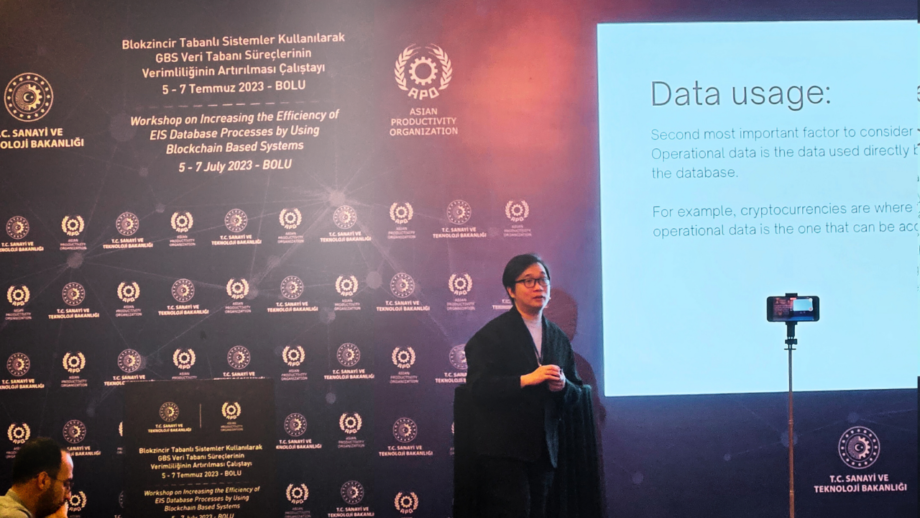
Basic Principles of the Blockchain Database Concept | Ministry of Industry and Technology of Turkiye

Basic Principles of the Blockchain Database Concept  | Ministry of Industry and Technology of Turkiye

Understanding the basics is vital. The “Basic Principles of the Blockchain Database Concept” session gives the proper context moving forward. The “Basic Principles of the Blockchain Database Concept” session provides a solid foundation and context that will undoubtedly be beneficial as you progress in your understanding of blockchain technology. By grasping these fundamental principles, you’ll be better equipped to comprehend how this innovative database system functions and its potential applications across various industries.

Blockchain technology has revolutionized various aspects of society, economy, and governance. It offers a paradigm shift that can transform the way we store and manage data. In this presentation, we will look into the fundamental principles of blockchain databases, their key characteristics, and different deployment options. We will also explore the challenges involved in building blockchain databases and discuss some popular blockchain-based database solutions.

What is a Blockchain Database?
A blockchain database is a specialized type of database that utilizes blockchain technology to store and manage data. It combines the advantages of traditional databases with the immutability, transparency, and decentralization provided by blockchain.

In a blockchain database, data is organized into blocks that are interconnected using cryptographic hashes, creating a chain-like structure. Each block contains a batch of transactions or data entries, which, once added to the blockchain, become permanent and tamper-proof records.

Unlike traditional databases, where a central authority or administrator controls access and manages the data, blockchain databases are decentralized. They are typically maintained by a network of participants or nodes, who collectively validate and record transactions through consensus mechanisms.

Key Characteristics of a Blockchain Database
1. Immutability
Once a block is added to the blockchain, altering or deleting the data within it becomes extremely difficult. The cryptographic hashes linking the blocks ensure the integrity and immutability of the entire database. This feature ensures data reliability and trust.

2. Transparency
Blockchain databases offer transparency, as every participant in the network has a copy of the entire database. This enables participants to verify the transactions and data stored within it, fostering trust and accountability. Transparency is a crucial factor in sectors such as supply chain management.

3. Decentralization
Decentralization is a core characteristic of blockchain databases. No single entity has control over the database. Instead, participants collectively validate and maintain the data through consensus mechanisms. This decentralization enhances the security, reliability, and resilience of the database.

4. Security
Blockchain databases provide a high level of security through the use of cryptographic algorithms. Transactions and data stored on the blockchain are protected from unauthorized access and tampering. This feature makes blockchain databases suitable for applications that require enhanced data security.

5. Distributed Ledger
Blockchain databases are often referred to as distributed ledgers because the database is distributed across multiple nodes. Each node maintains a copy of the database, creating redundancy and resilience against single points of failure. Distributed ledger technology ensures data availability and robustness.

Blockchain Database Deployment Options
When considering blockchain database deployment, several factors come into play. Two significant factors to consider are whether the database will be used within an enterprise or consortium and how the data will be used. Based on these factors, four possible ways to create a blockchain database emerge:

1. Centralized With Operational Data/Operational Blockchain Data Store With Enterprise
In this scenario, the blockchain database is deployed inside an enterprise. It does not require decentralization, simplifying the deployment process while leveraging the advantages of blockchain over traditional databases. The database can be used for decision-making and operational reporting, offering immutability and asset creation and transfer capabilities.

2. Centralized With Non-operational Data/Non-operational Blockchain Data Store With Enterprise
Similar to the previous scenario, this deployment is centralized within an enterprise. However, intermediaries are set up to access the data store and deliver it to clients. This approach offers better performance and privacy as the data is only accessible to a limited number of clients.

3. Decentralized With Operational Data/Operational Blockchain Data Store With Consortium
In this scenario, a consortium is formed to remove the need for a single entity to control the database. Each company within the consortium acts as an individual node responsible for maintaining the database. This decentralized approach increases data immutability and is suitable for applications like supply chain management.

4. Decentralized With Non-operational Data/Non-operational Data Store With Consortium
Multiple administrators from different consortium members control the blockchain in this scenario. Intermediaries facilitate client access to the data in the database, offering increased speed and privacy. This approach is useful for companies holding sensitive information that should be accessible only to authorized parties.

Challenges in Building Blockchain Databases
Building blockchain databases comes with its own set of challenges. Some of the key challenges include:

1. Querying Capabilities
Blockchain databases excel at storing transactional data but lack advanced querying capabilities. This limitation makes it challenging to retrieve specific data from the database efficiently.

2. Scalability
Public blockchains often struggle with scalability as adding decentralized nodes increases network traffic, resulting in reduced transaction throughput. Finding solutions to scale blockchain databases without compromising performance is crucial.

3. Low Throughput
Due to the consensus mechanisms involved, blockchain databases have lower transaction throughput compared to traditional databases. Increasing the number of nodes required for transaction approval results in slower overall performance.

4. High Latency
Popular blockchain networks like Bitcoin and Ethereum experience high latency, causing delays in transaction processing. Improving latency is vital to enhance the usability of blockchain databases.

Top 5 Blockchain-based Database Solutions
Several blockchain-based database solutions are available in the market today. Here are five notable examples:

1. BigchainDB
BigchainDB is a decentralized database that offers immutability and tamper-proof records. It supports various types of assets and utilizes the Tendermint consensus protocol, providing high performance and reliability.

2. Cassandra
Cassandra is a distributed and fault-tolerant database that offers high availability without compromising performance. It uses the Cassandra Query Language (CQL) for data querying and is trusted by many companies for its scalability.

3. ChainifyDB
ChainifyDB is a blockchain solution for databases that allows seamless integration with existing data stores. It encrypts communication between plugged databases, ensuring data security and synchronization.

4. Modex BCDB
Modex BCDB combines traditional database and blockchain technology. It supports multiple databases and provides enhanced security while managing data. It offers a plug-and-play approach for organizations looking to integrate blockchain features.

5. Postchain
Postchain is a modular-based framework database used for implementing custom blockchains. It stores data in an SQL database and utilizes a proof-of-authority consensus algorithm. Postchain provides a reliable and customizable blockchain platform.

In conclusion, blockchain databases present a paradigm shift in the way we store and manage data. By combining the advantages of traditional databases with the immutability and decentralization of blockchain, they offer enhanced security, transparency, and reliability. However, challenges related to querying capabilities, scalability, throughput, and latency need to be addressed to fully utilize the potential of blockchain databases. Various blockchain-based database solutions like BigchainDB, Cassandra, ChainifyDB, Modex BCDB, and Postchain are available, each with its unique features and benefits.

As I rightly said at the end of the presentation, “Blockchain databases bring the concept one step further and combine the best of both worlds.” With ongoing advancements and innovations, the future of blockchain databases looks promising in transforming industries across the globe.

This video is part of a consultation session on “Technical Expert Service on Improvement of Public Sector Efficiency Using Blockchain-based Database”. The implementing organizations include the Ministry of Industry and Technology of Turkiye and the Asian Productivity Organization. The event was held in Ankara and Bolu, Turkiye, from 4–7 July 2023.

Anndy Lian is an early blockchain adopter and experienced serial entrepreneur who is known for his work in the government sector. He is a best selling book author- “NFT: From Zero to Hero” and “Blockchain Revolution 2030”.

Currently, he is appointed as the Chief Digital Advisor at Mongolia Productivity Organization, championing national digitization. Prior to his current appointments, he was the Chairman of BigONE Exchange, a global top 30 ranked crypto spot exchange and was also the Advisory Board Member for Hyundai DAC, the blockchain arm of South Korea’s largest car manufacturer Hyundai Motor Group. Lian played a pivotal role as the Blockchain Advisor for Asian Productivity Organisation (APO), an intergovernmental organization committed to improving productivity in the Asia-Pacific region.

An avid supporter of incubating start-ups, Anndy has also been a private investor for the past eight years. With a growth investment mindset, Anndy strategically demonstrates this in the companies he chooses to be involved with. He believes that what he is doing through blockchain technology currently will revolutionise and redefine traditional businesses. He also believes that the blockchain industry has to be “redecentralised”.

j j j

Overview and Importance of Blockchain Technology and Examining Blockchain Architecture | Ministry of Industry and Technology of Turkiye

Overview and Importance of Blockchain Technology and Examining Blockchain Architecture  | Ministry of Industry and Technology of Turkiye

“Overview and Importance of Blockchain Technology and Examining Blockchain Architecture” is the first session.

Blockchain technology has gained significant attention in recent years due to its potential to revolutionize various industries. In this article, we will cover the fundamentals of blockchain technology, its importance in different sectors, and delve into the intricate details of blockchain architecture.

Introduction to Blockchain Technology
Blockchain technology can be defined as a decentralized, distributed ledger technology that securely records and verifies transactions across multiple participants. Unlike traditional centralized systems, blockchain operates on a peer-to-peer network, where participants, known as nodes, connect and collaborate to maintain the blockchain. Each node has a copy of the entire blockchain and participates in transaction validation and block creation.

The core principles of blockchain technology are decentralization, transparency, security, immutability, consensus, and smart contracts. These principles form the foundation of blockchain’s functionality and distinguish it from conventional systems.

Overview of Blockchain Architecture
Blockchain architecture is the underlying framework that enables the functioning of a blockchain system. Let’s explore the basic components and architecture of a blockchain system:

Network and Nodes:
A blockchain operates on a peer-to-peer network, where participants connect and collaborate to maintain the blockchain. Each node has a copy of the entire blockchain and participates in transaction validation and block creation. Nodes communicate and agree on the validity of transactions and blocks using the chosen consensus mechanism. Through consensus, a shared view of the blockchain is maintained, ensuring consistency and trust among participants.

Public vs. Private Blockchains:
Blockchain networks can be categorized as public or private, depending on their accessibility and permissioning.

Public Blockchains:
Public blockchains are open to anyone who wants to participate and contribute to the network. Examples of public blockchains include Bitcoin and Ethereum. They offer decentralization, transparency, and security. However, they face scalability challenges and have limited privacy features.

Private Blockchains:
Private blockchains are restricted to specific participants who have permission to join and validate transactions. Examples of private blockchains include Hyperledger Fabric and Corda. They offer efficiency, enhanced privacy, and selective access. However, they may be more centralized compared to public blockchains.

Importance of Blockchain Technology in Various Industries:
Blockchain technology has immense potential to transform various industries. Let’s explore some of its applications:

Finance:
Blockchain technology has disrupted the financial sector by enabling faster and more secure transactions. It facilitates peer-to-peer transfers of digital assets, eliminating the need for intermediaries like banks. Additionally, blockchain-powered cryptocurrencies provide decentralized and transparent alternatives to traditional fiat currencies. Blockchain also offers solutions for cross-border payments, remittances, and smart contract-based lending, making financial processes more efficient and inclusive.

Supply Chain:
Blockchain has transformed supply chain management by increasing transparency and traceability. It enables the creation of an immutable record of every step in the supply chain, reducing fraud, counterfeiting, and unauthorized products. By tracking and verifying the origin, quality, and movement of goods, blockchain technology improves efficiency, ensures ethical sourcing, and enhances consumer trust.

Healthcare:
Blockchain has the potential to revolutionize the healthcare industry by providing secure storage and sharing of patient data. It allows patients to have control over their medical records, granting access to healthcare providers as needed. This decentralized approach improves data security, interoperability, and privacy while reducing administrative costs. Additionally, blockchain can facilitate clinical trials, supply chain management for pharmaceuticals, and the tracking of medical devices.

Government:
Governments are exploring the use of blockchain technology to enhance transparency, security, and efficiency. Blockchain can facilitate secure voting systems, streamline administrative processes, and improve the distribution of welfare benefits and aid. It offers a decentralized and trustless approach, reducing the risk of corruption and improving public services.

As the technology continues to evolve, it is expected to drive further innovation and transformation, revolutionizing how industries operate in the digital age. The implementation of blockchain has shown tangible benefits in terms of cost savings, efficiency improvements, and enhanced trust and security. Understanding the differences and use cases of public and private blockchains is crucial in selecting the appropriate type based on the specific requirements of a given application or industry.

Blocks:
Data Structure: Data in a blockchain is structured into blocks, with each block containing a batch of transactions. Depending on the blockchain’s purpose, these transactions can include various types of information.

Unique Identifier: Each block in the blockchain is assigned a unique identifier called a hash. This hash is generated using cryptographic algorithms and serves as a digital fingerprint for the block.

Hashing:
Cryptographic Process: Hashing is a cryptographic process where data from a block is converted into a fixed-length string of characters, known as a hash. This process is one-way, meaning it is computationally infeasible to derive the original data from the hash.

Chain Structure:
The hash of each block is included in the subsequent block, creating a chain-like structure. This linkage ensures the integrity and immutability of the blockchain. Any alteration in one block would result in a change in subsequent block hashes, making it evident that tampering has occurred.

Consensus Mechanisms:
Consensus mechanisms are methods used to achieve agreement, trust, and security across a decentralized computer network. They play a vital role in maintaining the integrity and consensus of the blockchain. Two popular consensus mechanisms are proof-of-work (PoW) and proof-of-stake (PoS).

Proof of Work (PoW):
This consensus algorithm is famously used in the Bitcoin blockchain. Miners compete to solve complex mathematical puzzles, requiring significant computational power. The first miner to solve the puzzle and validate the block of transactions is rewarded with newly minted cryptocurrency. PoW ensures that the majority of participants agree on the state of the blockchain.

Proof of Stake (PoS):
In PoS, the right to validate blocks is determined by the participants’ stake or ownership of cryptocurrency. Validators, known as “stakers,” are chosen randomly or based on the amount of cryptocurrency they hold. PoS consumes less energy compared to PoW and aims to reduce the computational power required for consensus.

These are just a few examples of consensus algorithms used in blockchain networks. The choice of consensus mechanism depends on factors such as security, scalability, energy efficiency, and the specific requirements of the blockchain network.

In conclusion, blockchain technology holds immense potential to reshape industries by providing decentralized, transparent, and secure solutions. Its architecture, consensus mechanisms, and applications are paving the way for a future where trust and efficiency are paramount. Embracing blockchain technology can unlock new possibilities and create a more inclusive and trustworthy digital ecosystem.

This video is part of a consultation session on “Technical Expert Service on Improvement of Public Sector Efficiency Using Blockchain-based Database”. The implementing organizations include the Ministry of Industry and Technology of Turkiye and the Asian Productivity Organization. The event was held in Ankara and Bolu, Turkiye, from 4–7 July 2023.


Anndy Lian is an early blockchain adopter and experienced serial entrepreneur who is known for his work in the government sector. He is a best selling book author- “NFT: From Zero to Hero” and “Blockchain Revolution 2030”.

Currently, he is appointed as the Chief Digital Advisor at Mongolia Productivity Organization, championing national digitization. Prior to his current appointments, he was the Chairman of BigONE Exchange, a global top 30 ranked crypto spot exchange and was also the Advisory Board Member for Hyundai DAC, the blockchain arm of South Korea’s largest car manufacturer Hyundai Motor Group. Lian played a pivotal role as the Blockchain Advisor for Asian Productivity Organisation (APO), an intergovernmental organization committed to improving productivity in the Asia-Pacific region.

An avid supporter of incubating start-ups, Anndy has also been a private investor for the past eight years. With a growth investment mindset, Anndy strategically demonstrates this in the companies he chooses to be involved with. He believes that what he is doing through blockchain technology currently will revolutionise and redefine traditional businesses. He also believes that the blockchain industry has to be “redecentralised”.

j j j