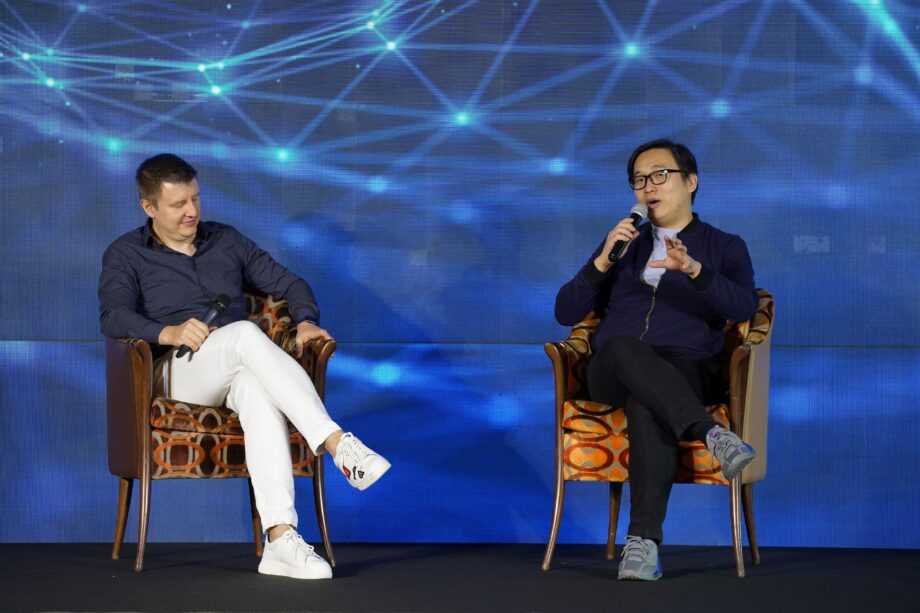
Real world tokenisation fireside chat with Anndy Lian: Unpacking the landscape

Real world tokenisation fireside chat with Anndy Lian: Unpacking the landscape

In a recent fireside chat, Anndy Lian, an intergovernmental blockchain expert and author of the book Blockchain Revolution 2030, engaged in a profound discussion on real-world tokenisation. This engaging conversation, moderated by Faraj Abutalibov, Chief Commercial Officer of the Venom Foundation, provided a deep dive into the evolving landscape of tokenisation, offering insights that resonate with both seasoned professionals and those new to the blockchain space.

Lian’s journey into the world of blockchain began in 2013 with his first Bitcoin purchase. Beyond personal involvement, his extensive experience advising governments underscores the practical application of blockchain at the highest levels of governance.

His role as a blockchain advisor to an intergovernmental group further solidifies his expertise. As an investor and fund manager holding a CMS license in Singapore, Lian brings a multifaceted perspective, enriching the fireside chat with a wealth of practical insights.

Tokenisation overview

The discussion commences with Lian providing an overview of the evolving perception of tokenisation. He notes a substantial shift from initial scepticism, especially from governments, to the current scenario where significant players, including prominent banks and governments, actively advocate for the tokenisation of Real World Assets (RWA). Lian emphasises the technological readiness for tokenisation, underlining the momentum behind the RWA wave.

His assertion on the shift in perception echoes a broader transformation in the financial and regulatory landscape. The acknowledgement from major players, traditionally cautious about emerging technologies, signifies a turning point. The active endorsement of tokenisation by influential entities not only validates its legitimacy but also sets the stage for widespread adoption. The emphasis on technological readiness is crucial, highlighting that the infrastructure and tools required for efficient tokenisation are now more accessible and robust than ever before.

However, he introduces a critical concern that often goes unnoticed – the lack of a clear revenue model for companies engaged in tokenisation. Drawing from personal experience with a Registered Market Operator (RMO) investment, he highlights the complexities surrounding assets like properties, where achieving liquidity and establishing revenue models pose intricate challenges.

Lian’s insight into the revenue models of tokenisation ventures sheds light on a fundamental challenge in the industry. While the momentum for tokenising assets is palpable, the path to sustained profitability remains nebulous for many.

This observation prompts a critical examination of the business models associated with tokenisation, urging stakeholders to address this gap for long-term viability. His example involving a Registered Market Operator investment offers a tangible illustration, emphasising the need for innovative solutions to navigate complexities, particularly in traditionally illiquid markets like real estate.

Monetisation models

Lian delves into the monetisation models prevalent in the tokenisation space, distinguishing between established companies and startups. Larger companies with diverse income streams might find a more stable footing, but startups face hurdles in raising substantial funds due to uncertainties surrounding their revenue-generating capabilities. Here, he underscores the necessity for innovation among startups, citing examples such as the introduction of new ERC standards and novel approaches to tokenising assets.

The exploration of monetisation models unravels the varied landscape within the tokenisation space. Lian’s differentiation between established players and startups highlights the nuanced challenges each category faces. Larger companies equipped with diverse income streams possess a more resilient financial foundation.

In contrast, startups grapple with the intricacies of fundraising, compounded by uncertainties in proving their revenue-generating potential. Lian’s call for innovation becomes a rallying cry, emphasising the dynamic nature of the blockchain industry, where adaptability and novel approaches are prerequisites for success.

An interesting highlight is the success story of tokenising art, particularly through Non-Fungible Tokens (NFTs). Lian points to the added value brought to physical artworks through NFTs, presenting a compelling case for the broader integration of tokenisation in the art world.

The success story of art tokenisation, especially through the lens of NFTs, accentuates the transformative power of blockchain in traditionally non-digital domains. Lian’s emphasis on the added value of physical artworks highlights a paradigm shift in how we perceive and interact with art.

The integration of NFTs not only unlocks new revenue streams for artists but also democratises art ownership, allowing a broader audience to participate in the art market. This success story becomes a beacon for exploring similar opportunities in other industries where tokenisation can bring about significant value addition.

Challenges of tokenisation

Transitioning to the challenges hindering the widespread adoption of tokenisation, Lian and Abutalibov identify two significant hurdles: regulatory complexities and the prevailing reality. The lack of standardisation across different asset classes and varying regulations in different jurisdictions present formidable obstacles.

The identification of regulatory complexities and the prevailing reality as significant hurdles offer a sobering reflection on the impediments to the widespread adoption of tokenisation. Lian and Abutalibov’s emphasis on the lack of standardisation across asset classes signals the need for a unified regulatory framework that accommodates the diverse nature of tokenised assets.

The jurisdictional variations compound the challenges, requiring a concerted effort from global stakeholders to streamline regulations and foster a conducive environment for tokenisation to flourish.

Lian expands on the scepticism that still exists around the necessity of tokenisation. He observes that despite technological advancements, a sizable portion of the population questions the practical utility of tokenisation, slowing down its accelerated adoption.

Lian’s exploration of scepticism unveils a crucial aspect of the adoption curve for tokenisation. Despite the undeniable technological advancements, a segment of the population remains unconvinced about the practical utility of tokenisation.

This scepticism, rooted in a lack of understanding or clarity, becomes a barrier that extends beyond regulatory challenges. Lian’s observation underscores the importance of comprehensive education and awareness campaigns to demystify tokenisation, fostering a more inclusive and informed approach to its adoption.

Potential tokenisation use cases

The conversation explores potential use cases beyond traditional assets. Lian expresses optimism about the tokenisation of carbon credits, emphasising the traceability benefits it can bring to this sector. Additionally, he notes the increasing recognition of stablecoins by government bodies, especially in the context of Central Bank Digital Currencies (CBDCs).

The exploration of potential use cases propels the conversation beyond the realms of traditional assets, opening up new vistas for tokenisation. His optimism about tokenising carbon credits underscores the broader environmental and sustainability applications of blockchain. The emphasis on traceability aligns with the growing demand for transparent and accountable solutions in sectors crucial for global well-being.

Furthermore, stablecoins and their recognition by government bodies signal a shift in the perception of digital currencies, with central banks exploring their own digital versions. This recognition not only validates the concept of stablecoins but also marks a step toward mainstream acceptance of blockchain-based financial instruments.

Future impacts on the financial industry

Looking ahead, Lian speculates on the transformative impact of tokenisation on the financial industry. Envisioning increased efficiency in transactions, he anticipates faster and cheaper money transfers if tokenisation is embraced on a large scale. Lian underscores the importance of translating technological potential into practical applications to realise these transformative benefits.

Lian’s foresight into the future impact on the financial industry offers a glimpse into the transformative potential of tokenisation. The anticipation of increased efficiency in transactions aligns with the fundamental promise of blockchain technology.

Faster and cheaper money transfers emerge as tangible benefits, resonating with the ongoing quest for streamlined financial processes. His emphasis on translating technological potential into practical applications becomes a rallying cry for stakeholders to bridge the gap between innovation and real-world implementation, unlocking the full spectrum of transformative benefits.

Drivers of mass adoption

Considering the drivers of mass adoption, Lian emphasises the crucial role of everyday people using crypto. He envisions a “wow” moment when the retail investor base grows substantially, contributing to the next surge in crypto adoption. Drawing parallels to China’s widespread adoption of digital payments, he hopes for a similar scenario where people seamlessly use crypto for everyday transactions more effectively and economically.

His reflection on the drivers of mass adoption shifts the focus to the end-users – everyday people using crypto. The anticipation of a “wow” moment parallels the disruptive shifts witnessed in other technological revolutions. The envisaged growth in the retail investor base becomes a pivotal catalyst for the next surge in crypto adoption.

His comparison to China’s embrace of digital payments underscores the transformative power of widespread user acceptance. The aspiration for seamless crypto integration into everyday transactions highlights the need for user-friendly interfaces and widespread accessibility, laying the groundwork for a more inclusive crypto landscape.

The role of NFTs in tokenisation

Lian concludes the conversation by referencing his book, “NFT from Zero to Hero,” born out of a desire to guide friends away from potential scams in the NFT space. He aims to simplify the tokenisation of loyalty programs for companies. Contrary to the notion that NFTs are losing relevance, Lian points to successful projects like Oracle Red Bull Racing’s NFTs as evidence of the continued vitality of the NFT space.

His conclusion encapsulates the multifaceted role of NFTs in tokenisation. His book not only reflects a personal commitment to guiding others but also underscores the need for education in navigating the dynamic NFT space. The simplification of tokenising loyalty programs emerges as a practical application of NFTs in the corporate realm, showcasing their versatility beyond the art and gaming sectors.

Lian’s debunking of the notion that NFTs are losing relevance becomes a testament to their enduring impact, with successful projects like Oracle Red Bull Racing’s NFTs serving as proof of concept. Far from losing vitality, the NFT space continues to evolve and find new applications, contributing to the ever-expanding narrative of tokenisation.

In conclusion 

In this fireside chat, Lian provides a nuanced perspective on the current state and future possibilities of real-world tokenisation. The challenges and opportunities discussed paint a comprehensive picture of an industry on the cusp of significant developments.

As the conversation delves into potential applications, regulatory hurdles, and the transformative impact on the financial sector, it becomes clear that real-world tokenisation is a dynamic space with immense potential yet to be fully realised.

His perspective emerges as a guiding light for industry stakeholders navigating the intricate landscape of real-world tokenisation. The challenges outlined serve as waypoints for strategic considerations, urging a proactive approach to address impediments. Simultaneously, the opportunities highlighted become beacons for innovation, signalling the untapped potential awaiting exploration.

The fireside chat, rich with insights and foresight, positions Lian as a key influencer in shaping the trajectory of real-world tokenisation, inspiring a collective journey towards unlocking its transformative power.

World Tokenisation Summit was held on the 21st of November, 2023, in Dubai. More information on the fireside chat can be found here.


Source: https://e27.co/unpacking-the-landscape-real-world-tokenisation-fireside-chat-with-anndy-lian-20240131/

Anndy Lian is an early blockchain adopter and experienced serial entrepreneur who is known for his work in the government sector. He is a best selling book author- “NFT: From Zero to Hero” and “Blockchain Revolution 2030”.

Currently, he is appointed as the Chief Digital Advisor at Mongolia Productivity Organization, championing national digitization. Prior to his current appointments, he was the Chairman of BigONE Exchange, a global top 30 ranked crypto spot exchange and was also the Advisory Board Member for Hyundai DAC, the blockchain arm of South Korea’s largest car manufacturer Hyundai Motor Group. Lian played a pivotal role as the Blockchain Advisor for Asian Productivity Organisation (APO), an intergovernmental organization committed to improving productivity in the Asia-Pacific region.

An avid supporter of incubating start-ups, Anndy has also been a private investor for the past eight years. With a growth investment mindset, Anndy strategically demonstrates this in the companies he chooses to be involved with. He believes that what he is doing through blockchain technology currently will revolutionise and redefine traditional businesses. He also believes that the blockchain industry has to be “redecentralised”.

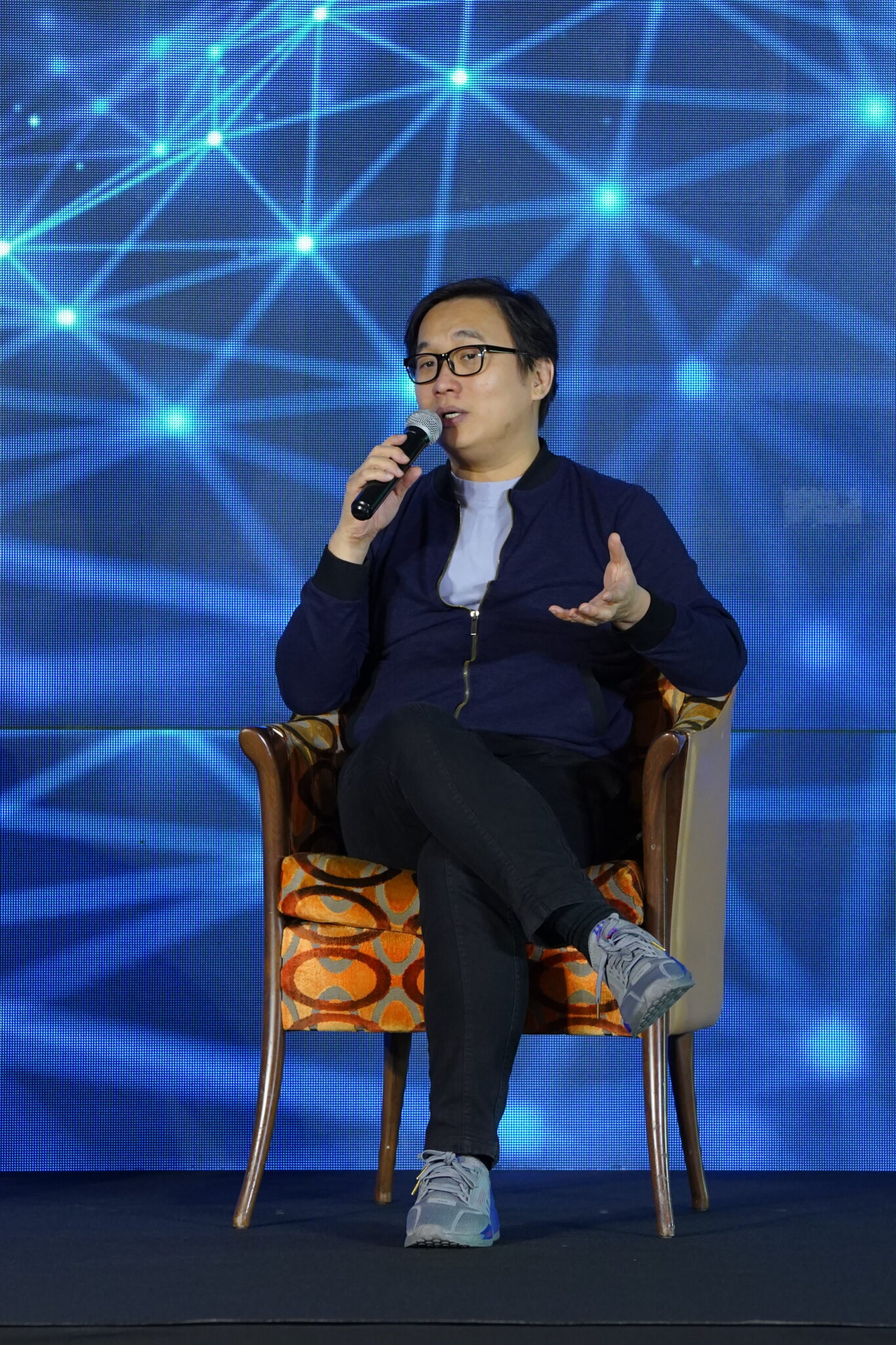
j j j

Anndy Lian: Why RWA Tokenization is Taking Off

Anndy Lian: Why RWA Tokenization is Taking Off

‘Show Me The Money’

Many companies are tokenizing assets, and while I think that technology is 100% ready — and you can see big banks coming in — there’s one thing that is really missing.

And that’s not just adoption. It’s “how can companies make money?” What is the actual revenue model?

It’s hard because — if we take tokenizing properties as an example — how will an exchange earn money?

Exchanges can only earn money through different products or the number of transactions — but if you’re offering products like a securitized token or a property, you will not get that much trade on a day-to-day basis.

So the way to earn that money is very tough.

There is also a huge liquidity problem. What makes us so sure that if we tokenize that property, someone from the crypto space is willing to pay for the token?

So I think an issue here is how the revenue model can help sustain a company — maybe it is workable for the bigger banks or a large asset manager, but how are the smaller or medium players going to find a reason to buy in?

Right now, I don’t think that property is the best avenue, but maybe commodities are a good target.

So, we need sustainable revenue streams and to not ignore liquidity issues, particularly in tokenizing assets like real estate.

But we are seeing some successes: Art tokenization offers a unique blend of digital and physical value, driving demand and creating new revenue streams.

Successful art tokenization projects such as Oracle Red Bull Racing’s NFTs, and leveraging non-fungible tokens (NFTs) for ownership show the ways to unlock value in the digital art space.

Hype vs Utility of Tokenization

I still think that the whole tokenization sector is largely driven by hype. Still, a smaller percentage of people and companies will look at the technology at a deeper level — to look at how we can reduce fraud and increase the traceability element that the blockchain can offer.

The other outstanding issues are standardization of asset classes and regulation — especially from country to country.

Navigating regulatory complexities is a significant challenge: Without clear guidelines and frameworks — it becomes arduous.

I think tokenization also doesn’t accelerate as fast as we want because a huge percentage of people do not think that tokenizing will be that useful — if they think that the only goal is “tokenize a product”.

People will think in terms of: “Will the property sell well, whether it’s tokenized or not?”

But I always go back to the basics — it’s about traceability, about reducing fraud. If you can use that as the use case (for property, deeds, and so forth) and make it easy to use, then tokenization can revolutionize financial transactions, making them faster, more cost-effective, and transparent.

Trust and the Blockchain

Trust is a fundamental aspect of any financial system. Blockchain technology, with its immutable and transparent nature, has the potential to bring trust, immutability, and integrity to transactions.

Some other key things that need to be considered are:

  • Interoperability is crucial for the widespread adoption of blockchain technology. We need seamless integration between different networks and protocols to unlock its full potential.
  • Decentralization is one of the core principles of blockchain technology. It empowers individuals and reduces reliance on centralized authorities, promoting greater transparency and trust.

And we need to acknowledge the power of smart contracts, which are a game-changer in the realm of decentralized finance (DeFi). They enable automated and trustless execution of agreements, reducing the need for intermediaries and streamlining processes.

The Bottom Line

If we get all of these things working in sync, I believe that tokenization has the potential to democratize access to investment opportunities, allowing individuals from diverse backgrounds to participate in previously inaccessible markets.

It is not just financial systems; blockchain can empower individuals to take control of their personal data and privacy, mitigating risks associated with centralized data storage.

We’re at the early stages of understanding how blockchain and crypto can revolutionize various industries. From supply chain management to healthcare, the potential applications are vast.

Education is key. Many people still view crypto with skepticism or fear due to misconceptions or a lack of understanding. We need to demystify the technology and showcase its potential to drive positive change.

You can see Anndy talking about tokenization in a fireside chat with Faraj Abutalibov, Chief Commercial Officer of the Venom Foundation, at the World Tokenization Summit, held in Dubai last November:


Fireside chat with Anndy Lian at World Tokenization Summit, Dubai


Source: https://www.techopedia.com/anndy-lian-why-rwa-tokenization-is-taking-off

FAQ

How can companies generate revenue through asset tokenization, especially in industries like real estate?

Anndy Lian's response to the question: Companies can generate revenue through various products and increased transaction volumes. While tokenizing properties might face liquidity challenges, offering unique products like securitized tokens or exploring commodities can open up new revenue streams. Successful examples include art tokenization, where the blend of digital and physical value, as seen in projects like Oracle Red Bull Racing’s NFTs, has driven demand and created successful revenue models.

What challenges hinder the widespread adoption of tokenization beyond the hype, and how can these challenges be addressed?

Anndy Lian highlighted that tokenization faces challenges in standardization of asset classes and regulatory frameworks, varying from country to country. The perception that tokenizing a product might not be useful is another obstacle. Addressing these challenges requires a deeper understanding of tokenization’s potential to reduce fraud and enhance traceability. Focusing on the fundamental use cases, such as improving transparency and reducing fraud in financial transactions, can accelerate adoption.

How does blockchain technology contribute to building trust in financial systems, and what are the key considerations for its successful implementation?

Anndy Lian said that blockchain, with its immutable and transparent nature, has the potential to bring trust, immutability, and integrity to financial transactions. Key considerations for successful implementation include interoperability for widespread adoption, decentralization to empower individuals and reduce reliance on centralized authorities, and the utilization of smart contracts for automated and trustless execution of agreements in decentralized finance (DeFi).

What role does education play in the broader acceptance of blockchain and crypto technologies, and how can misconceptions be addressed?

Education is crucial in demystifying blockchain and crypto technologies. Many people view these technologies with skepticism or fear due to misconceptions or a lack of understanding. By providing comprehensive education, showcasing the potential positive impact of blockchain across various industries – from supply chain management to healthcare – and addressing common misconceptions, we can foster broader acceptance and understanding of these technologies.

In what ways can successful integration of blockchain and tokenization democratize access to investment opportunities and empower individuals?

Successful integration of blockchain and tokenization has the potential to democratize access to investment opportunities. This involves creating seamless interoperability between different networks, promoting decentralization to reduce reliance on centralized authorities, and leveraging smart contracts for trustless execution of agreements in decentralized finance. Anndy Lian pointed out that this not only transforms financial systems but also empowers individuals to control their personal data and privacy, mitigating risks associated with centralized data storage.

Anndy Lian is an early blockchain adopter and experienced serial entrepreneur who is known for his work in the government sector. He is a best selling book author- “NFT: From Zero to Hero” and “Blockchain Revolution 2030”.

Currently, he is appointed as the Chief Digital Advisor at Mongolia Productivity Organization, championing national digitization. Prior to his current appointments, he was the Chairman of BigONE Exchange, a global top 30 ranked crypto spot exchange and was also the Advisory Board Member for Hyundai DAC, the blockchain arm of South Korea’s largest car manufacturer Hyundai Motor Group. Lian played a pivotal role as the Blockchain Advisor for Asian Productivity Organisation (APO), an intergovernmental organization committed to improving productivity in the Asia-Pacific region.

An avid supporter of incubating start-ups, Anndy has also been a private investor for the past eight years. With a growth investment mindset, Anndy strategically demonstrates this in the companies he chooses to be involved with. He believes that what he is doing through blockchain technology currently will revolutionise and redefine traditional businesses. He also believes that the blockchain industry has to be “redecentralised”.

j j j

Fireside chat with Anndy Lian at World Tokenization Summit, Dubai

Fireside chat with Anndy Lian at World Tokenization Summit, Dubai

Insights

What is the background of Anndy Lian, the guest speaker in the fireside chat on real-world tokenization?

Anndy Lian, based in Singapore, entered the crypto world in 2013 and became fully immersed in blockchain by 2017. He serves as an intergovernmental blockchain expert, book author, and has advised various governments.

How does Anndy Lian view the state of real-world tokenization, and what changes has he observed since discussing the concept in 2017-2018?

Anndy Lian acknowledges the significant traction real-world tokenization has gained. Initially met with skepticism, governments and companies now embrace the idea, recognizing its straightforwardness. The technology for asset tokenization is deemed ready, with big banks and governments leading the wave.

What are the key challenges highlighted by Anndy Lian regarding the revenue model behind some real-world asset (RWA) projects?

Anndy Lian questions the sustainability and revenue generation of RWA projects, especially those tokenizing assets like mid-level properties. He emphasizes the liquidity problem associated with certain asset tokenization.

According to Anndy Lian, what is the future outlook for stablecoins and carbon credit tokenization, and how do governments perceive stablecoins?

Lian sees stablecoins as here to stay, with more governments likely to embrace them within a certain framework. He views carbon credit tokenization as a valid use case, citing the intriguing traceability of the credit itself.

In Anndy Lian's perspective, what impact could tokenization have on the financial industry if adopted on a large scale, and what does he envision for the future of transactions?

Lian believes tokenization, if widely adopted, could revolutionize the financial industry, making transactions more efficient, faster, and cheaper. He envisions the potential for 24/7 clearance and money transfers, leading to a more effective financial system.


In the ever-evolving world of blockchain and cryptocurrencies, the concept of real-world tokenization has been gaining significant traction. To delve deeper into this topic, we recently had the pleasure of hosting a fireside chat with Anndy Lian, an intergovernmental blockchain expert and book author.

The discussion was led by Faraj, the Chief Commercial Officer of Venom Foundation, a layer one chain out of Abu Dhabi focusing on stable coins and real-world asset organization globally. Faraj is also the founder of a large community of crypto executives, boasting around 2,000 members.

The guest speaker, Anndy Lian, is based in Singapore but often travels around the globe. He embarked on his journey in the crypto world in 2013 when he bought his first Bitcoin. By 2017, he had fully immersed himself in the blockchain space and has never left since. Lian advises different governments. At one point, he served as a blockchain advisor to an intergovernmental group.

The State of Real-World Tokenization
When asked about his views on real-world tokenization, Lian acknowledged the obvious traction the concept has gained over the years. He recalled how governments were skeptical when he first started discussing the idea around 2017-2018. However, the narrative has since changed. Today, governments and companies are more open to the idea, recognizing the straightforwardness of real-world asset (RWA) tokenization.

Lian believes that the technology for tokenizing assets is 100% ready. He sees big banks and governments pushing the RWA wave, indicating a promising future for the concept. However, he also highlighted a key issue: the revenue model behind some of these RWA projects. He questioned how these companies would sustain themselves and make money, especially given the liquidity problem associated with tokenizing certain assets like mid-level properties.

The Future of Stable Coins and Carbon Credit Tokenization
Discussing the future of stablecoins and carbon credit tokenization, Lian expressed that most government bodies he interacts with recognize that stablecoins are here to stay. He sees a future where more governments will embrace stable coins within a certain framework, which could lead to the acceleration of Central Bank Digital Currencies (CBDCs).

As for carbon credit tokenization, Lian sees it as a valid use case. He has interacted with several carbon credit exchanges and believes that the traceability of the credit itself would be very interesting.

The Impact of Tokenization on the Financial Industry
If tokenization is taken seriously and adopted on a large scale, Lian believes it could have a long-lasting impact on the financial industry. He envisions a future where transactions become more effective, with money moving from point A to B in a much faster and cheaper manner. He also sees the potential for 24/7 clearance and money transfers, leading to a more effective financial system.

The Next Driver of Mass Adoption
When asked about the next driver of mass adoption, Lian expressed his hope for more people to start talking about how they can spend their crypto. He believes that the next “wow” moment would be seeing more adoption, leading to a larger community and driving crypto to the next level.

Conclusion
The fireside chat with Anndy Lian provided valuable insights into the world of real-world tokenization, stablecoins, and carbon credit tokenization. As the blockchain and crypto space continues to evolve, these discussions play a crucial role in shaping the future of the industry. As Lian aptly put it, the key is to read, learn, and explore for oneself, rather than relying solely on influencers or hype.

World Tokenization Summit was held on 21st of November 2023 at Melia Desert Palm, Al Awir Road, Warsan 2, Dubai, United Arab Emirates.

Anndy Lian is an early blockchain adopter and experienced serial entrepreneur who is known for his work in the government sector. He is a best selling book author- “NFT: From Zero to Hero” and “Blockchain Revolution 2030”.

Currently, he is appointed as the Chief Digital Advisor at Mongolia Productivity Organization, championing national digitization. Prior to his current appointments, he was the Chairman of BigONE Exchange, a global top 30 ranked crypto spot exchange and was also the Advisory Board Member for Hyundai DAC, the blockchain arm of South Korea’s largest car manufacturer Hyundai Motor Group. Lian played a pivotal role as the Blockchain Advisor for Asian Productivity Organisation (APO), an intergovernmental organization committed to improving productivity in the Asia-Pacific region.

An avid supporter of incubating start-ups, Anndy has also been a private investor for the past eight years. With a growth investment mindset, Anndy strategically demonstrates this in the companies he chooses to be involved with. He believes that what he is doing through blockchain technology currently will revolutionise and redefine traditional businesses. He also believes that the blockchain industry has to be “redecentralised”.

j j j