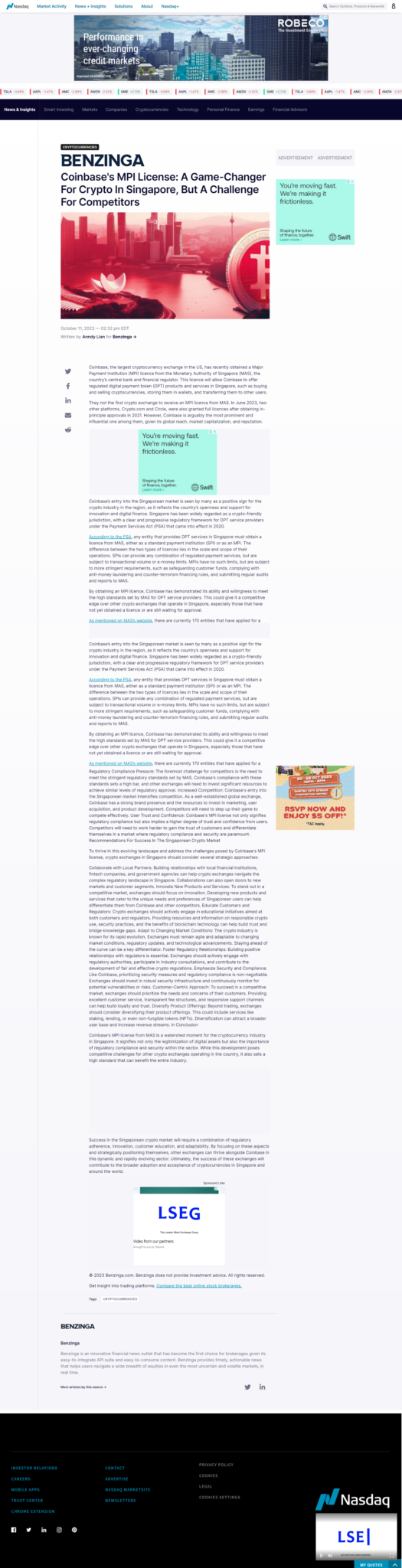
- The key question is whether NFTs meet the Howey test criteria for classification as securities under federal laws.
- In the NFT industry, adopting best practices includes transparency, fraud prevention, respecting intellectual property, and ethical conduct.
Non-fungible tokens (NFTs) are unique digital assets that can represent anything from art and music to virtual land and gaming items. They have exploded in popularity and value in recent years, attracting the attention of celebrities, investors, and regulators alike. The legal status of NFTs remains unclear and controversial, especially in the United States, where the Securities and Exchange Commission (SEC) has the authority to regulate securities and protect investors from fraud and manipulation.
One of the key questions that arises is whether NFTs are securities under the federal securities laws, and specifically, whether they meet the criteria of the Howey test, the legal framework established by the Supreme Court in 1946 to determine whether an instrument is an investment contract and thus a security. Howey test has four elements, I will argue that NFTs are not securities. On top of that, I will also address some of the counterarguments and challenges that NFTs may face in the future, and suggest some possible solutions and recommendations for the industry and the regulators.
NFTs are not investments of money, but rather purchases of digital goods
The first element of the Howey test is whether there is an investment of money or something of value in exchange for the instrument. This element is usually easy to satisfy, as most financial transactions involve some form of payment. However, in the case of NFTs, the payment is not an investment, but rather a purchase of a digital good.
They are not shares, bonds, or derivatives that represent a claim or a right to a future cash flow or a share of profits. Rather, they are digital tokens that prove ownership and authenticity of a unique digital asset. In my point of view, they are similar to other digital goods, such as e-books or music downloads, that consumers buy for personal use and enjoyment, not for investment purposes.
NFTs are not common enterprises, but rather individualized and decentralized transactions
The second element of the Howey test assesses the presence of a common enterprise, where investors’ fortunes are tied to the success of an issuer or third party. However, in the case of NFTs, no such common enterprise exists. Transactions are decentralized and individualized, with various artists and creators minting NFTs across different blockchain networks like Ethereum or Solana. NFT buyers rely on blockchain‘s public ledger to verify authenticity, rather than trusting a specific issuer or promoter.
NFTs do not generate profits, but rather subjective value and utility
The third element of the Howey test concerns whether there’s a reasonable expectation of profits. Unlike traditional investments, NFTs don’t generate income or appreciate based on others’ efforts. Instead, their value comes from subjective qualities like rarity, originality, and cultural significance, rather than anticipated financial returns. NFT buyers don’t expect profits but rather value the assets for their intrinsic qualities and utility.
NFTs are not dependent on the efforts of others, but rather on the creativity and innovation of the creators and the community
The fourth element of the Howey test examines whether profits stem from the efforts of others. Unlike traditional securities, NFT profits aren’t reliant on issuer or third-party services. NFT value is driven by the creativity and innovation of artists and developers, not centralized platforms. Buyers assess and appreciate digital assets based on personal judgment, rather than external influences.
Counterarguments and challenges
Despite the arguments in favor of NFTs, potential challenges from regulators and courts may arise in the future. One such challenge is the classification of certain NFTs as securities under regulatory tests like the Howey or Reves tests. Depending on their characteristics, some NFTs could represent real-world assets or rights, potentially falling under the definition of securities, especially if they promise future cash flows or resemble investment instruments.
Moreover, even if NFTs don’t meet all elements of the Howey test, they might still be deemed securities through a flexible analysis. For instance, if they are marketed as investments or show characteristics of speculative opportunities, they could create expectations of profit, thus falling under securities regulations. Additionally, if buyers pool funds or share risks and rewards, or if the NFTs’ value depends on underlying asset performance, regulators might consider them securities.
Furthermore, beyond securities laws, NFTs could be subject to various other regulations based on their nature and function. Anti-money laundering and sanctions regulations might apply if NFTs facilitate illicit transactions. Tax regulations could come into play if NFT transactions generate taxable income or capital gains. Consumer protection laws might be relevant if NFTs involve deceptive practices or breach contracts. Intellectual property regulations could be triggered if NFTs infringe upon original creators’ rights.
My take: Possible solutions and recommendations
Given the uncertainty and complexity of the legal landscape surrounding NFTs, it is important for the industry and the regulators to work together to find possible solutions and recommendations that can balance the interests and needs of all the stakeholders. Here are some suggestions from me that may help to achieve this goal:
- Industry stakeholders should adhere to best practices and standards to improve transparency, accountability, and compliance in the NFT market. This includes clear disclosure of terms and conditions for NFT transactions, implementing measures to prevent fraud and illegal activities, and respecting intellectual property rights. Additionally, they should engage in responsible and ethical behavior, avoiding harm to the environment, society, or public interest.
- Regulators should adopt a flexible approach to regulate the diverse NFT market. Avoiding overly restrictive frameworks is crucial to foster innovation and growth. Recognizing nuances among NFT types and consulting with industry and community for feedback is essential. Continuous monitoring and evaluation of market evolution are necessary to update policies accordingly.
Conclusion
NFTs are a new and exciting phenomenon that has revolutionized the digital economy and culture. They offer unprecedented opportunities and challenges for the creators, consumers, and regulators of the digital assets.
The legal status and implications of NFTs are still unclear and uncertain, and may vary depending on the facts and circumstances of each case. Therefore, it is important to understand and address the potential legal issues and risks that may arise from the creation, distribution, and consumption of NFTs, and to seek appropriate solutions and recommendations that can foster a healthy and sustainable NFT market.
Source: https://www.financemagnates.com/cryptocurrency/decentralized-transactions-challenge-howey-tests-application-to-nfts/
Anndy Lian is an early blockchain adopter and experienced serial entrepreneur who is known for his work in the government sector. He is a best selling book author. The latest book is Web4: The Age of Autonomous Intelligence.