7 February 2025 marks a pivotal moment for global markets as investors grapple with a confluence of critical economic indicators, shifting currency dynamics, and transformative developments in the cryptocurrency space. Wall Street traders are on edge, awaiting the release of US non-farm payroll data that could illuminate the Federal Reserve’s next move on interest rates, while the Japanese yen surges to its highest level since early December, buoyed by hawkish comments from a Bank of Japan official.
Meanwhile, Amazon’s disappointing profit projections send ripples through after-hours trading, and the cryptocurrency market sees increased institutional engagement alongside significant regulatory milestones. As a journalist deeply attuned to the pulse of global finance, I believe this week underscores the intricate balance between risk and opportunity, with profound implications for investors, policymakers, and the broader economy.
Let’s begin with the US jobs data, which has become the focal point for Wall Street traders. The non-farm payroll report is more than just a snapshot of employment trends; it is a critical barometer for the Federal Reserve’s monetary policy trajectory. A weak print could reignite expectations for further interest rate cuts, providing a much-needed boost to risk assets and potentially alleviating some of the pressure on equity markets.
Conversely, a stronger-than-expected report might temper hopes for additional easing, reinforcing the Fed’s cautious stance on inflation. The stakes are high, particularly as Wall Street also anticipates a revision to previous job growth figures—a development that could further complicate the Fed’s decision-making process.
The interplay between these data points highlights the fragility of the current economic recovery, with markets hanging on every decimal point. From my perspective, the Fed faces an unenviable task: balancing the need to support growth while guarding against inflationary pressures. A misstep here could have profound consequences, not just for the US economy but for global financial stability.
Beyond the jobs data, the broader US market landscape offers mixed signals. The MSCI US index edged higher by 0.4 per cent, with the Consumer Staples sector outperforming at 0.9 per cent. This resilience in defensive sectors suggests that investors are hedging their bets, seeking safety amid uncertainty.
At the same time, US Treasury yields ticked upward, with the 10-year yield rising by 1.6 basis points to 4.43 per cent and the 2-year yield climbing by 2.5 basis points to 4.21 per cent. These modest increases reflect a market grappling with the potential for higher interest rates, even as the US Dollar Index consolidated its recent losses with a slight 0.1 per cent uptick.
Gold, often seen as a safe-haven asset, saw its upward momentum persist, albeit with a slight 0.4 per cent pullback, as it continued its march toward the US$2,900 per ounce mark. These movements paint a picture of a market in flux, with investors seeking refuge in traditional safe havens while cautiously navigating the shifting sands of monetary policy.
On the global stage, the Japanese yen’s appreciation to its highest level since early December is a development worth noting. The currency’s gains were spurred by comments from Bank of Japan (BOJ) board member Naoki Tamura, who made a compelling case for higher interest rates. This hawkish stance contrasts sharply with the BOJ’s historically dovish policies, signaling a potential shift in Japan’s monetary strategy. The yen’s strength is a double-edged sword: while it bolsters the purchasing power of Japanese consumers and importers, it poses challenges for exporters and could dampen economic growth.
From my vantage point, Tamura’s comments are a bold move, reflecting the BOJ’s growing confidence in Japan’s economic recovery. However, the central bank must tread carefully, as premature rate hikes could undermine the fragile progress made in combating deflation. The yen’s appreciation also has broader implications for global currency markets, potentially influencing the relative strength of the US dollar and other major currencies.
Shifting gears to the commodity markets, Brent crude oil hovered just below US$75 per barrel, weighed down by concerns over President Trump’s proposed tariffs on China. These tariffs, if implemented, could reduce global crude demand, particularly from one of the world’s largest oil consumers. At the same time, Trump’s pledge to boost US oil output adds another layer of complexity, potentially offsetting the impact of sanctions on Iran. This delicate balance between supply and demand dynamics underscores the geopolitical risks embedded in the oil market.
As a journalist, I find it striking how political decisions in one corner of the world can ripple through global commodity markets, affecting everything from energy prices to inflation expectations. The mixed performance of Asian equities and the flat outlook for US equity index futures further highlight the uncertainty permeating global markets, as investors grapple with these intersecting forces.
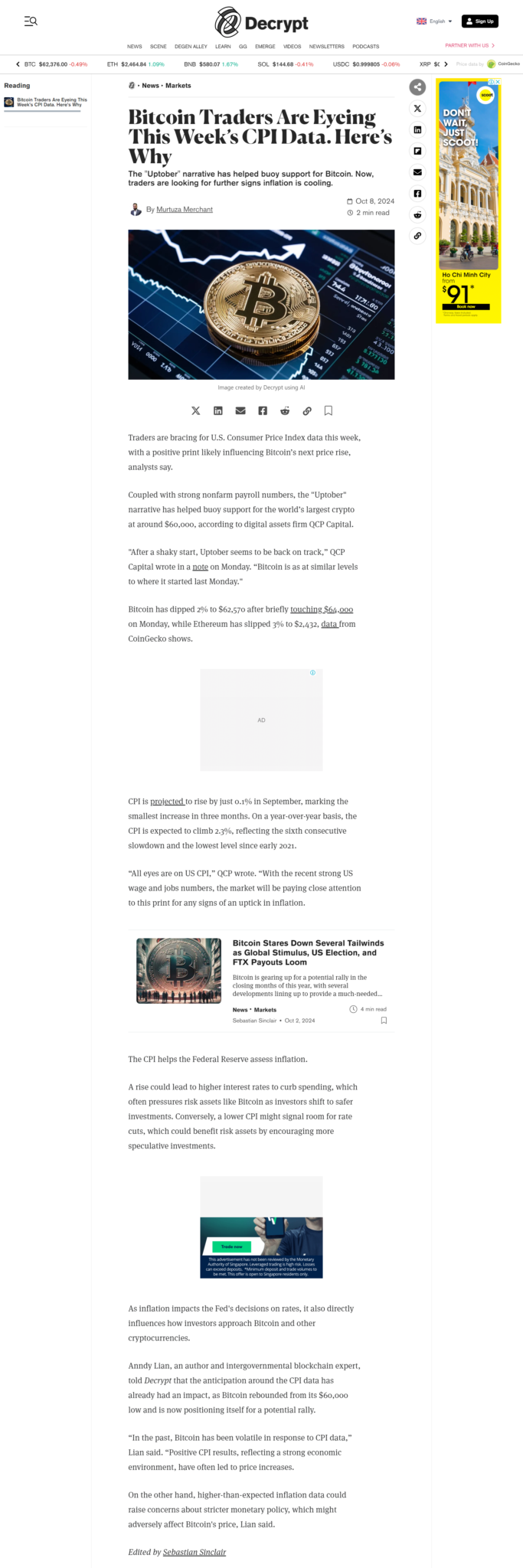
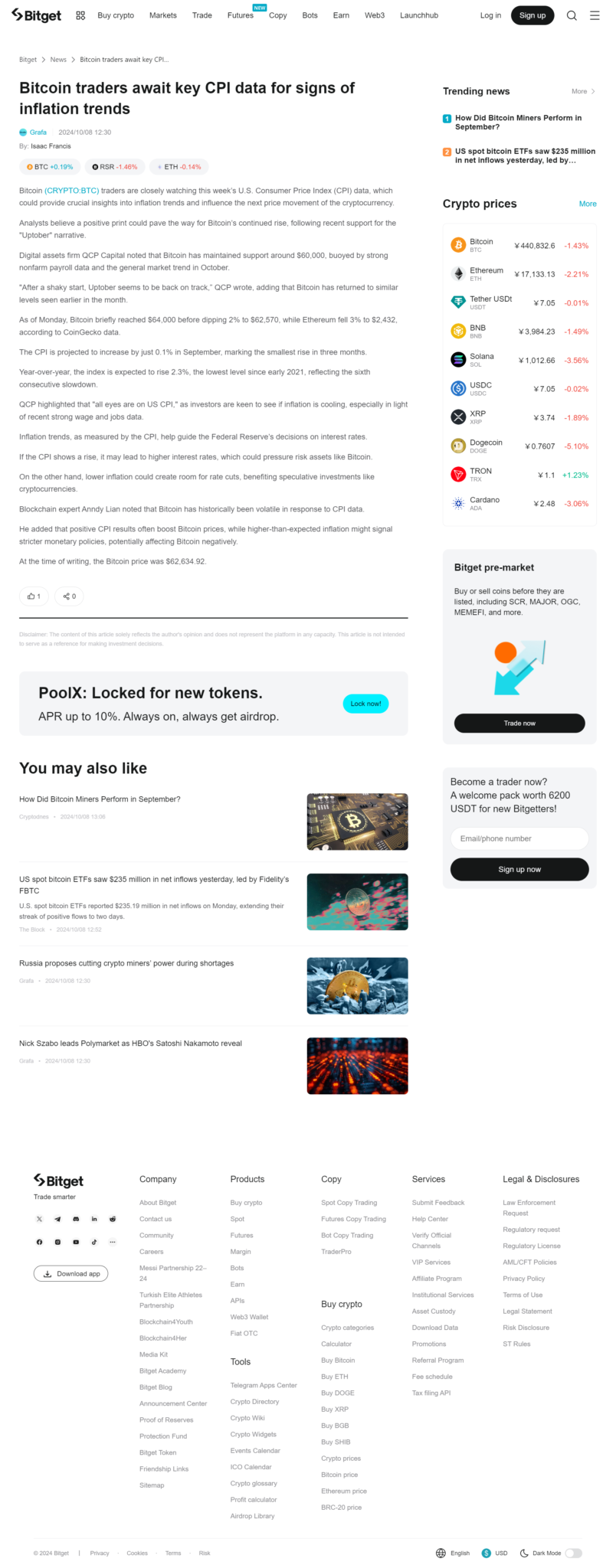
Turning to the cryptocurrency space, this week brought several notable developments that reflect the sector’s growing maturity. JP Morgan’s latest eTrading survey revealed a significant uptick in institutional engagement with cryptocurrencies, with 13 per cent of the 4,200 surveyed institutional traders actively trading digital assets, up from nine per cent in 2024.
This increase aligns with the launch of US Bitcoin ETFs in January 2024 and the remarkable 120 per cent surge in Bitcoin prices over the course of the year. The contrast with 2023, a period marked by the fallout from the FTX collapse, is stark. The recovery and subsequent growth in 2024 underscore the resilience of the crypto market and its ability to attract institutional capital.
However, it’s worth noting that 71 per cent of surveyed traders still have no plans to trade cryptocurrencies, down from 78 per cent the previous year. This cautious stance suggests that while the crypto market is gaining traction, significant barriers to adoption remain, including regulatory uncertainty and concerns about volatility.
The survey also highlighted the relative importance of various technologies, with artificial intelligence extending its dominance, followed by APIs. Blockchain, while still a distant third at six per cent (down from seven per cent last year), remains a critical technology for the crypto ecosystem. The decline in blockchain’s perceived importance is intriguing, particularly in light of the SEC’s recent launch of a Crypto Task Force website aimed at clarifying regulations for digital assets.
This initiative, which focuses on token classification and compliance, is a step in the right direction, providing much-needed guidance for market participants. Similarly, Franklin Templeton’s bid to launch a new crypto index ETF signals growing institutional interest in diversified crypto exposure. These developments are emblematic of the broader trend toward mainstream acceptance of digital assets, even as challenges persist.
In my view, the cryptocurrency market is at a pivotal moment. The increased institutional engagement and regulatory clarity are positive signs, but the sector must continue to address concerns about transparency, security, and systemic risk. The lessons of the FTX collapse and other high-profile failures must not be forgotten.
As the crypto ecosystem evolves, it will be crucial for regulators and industry players to work collaboratively to build a framework that fosters innovation while protecting investors. The golden age of crypto, as some have dubbed it, is within reach, but it will require careful navigation of the complex interplay between technology, regulation, and market dynamics.
To conclude, this week’s developments paint a picture of a global financial landscape marked by uncertainty and opportunity. From the anticipation surrounding US jobs data to the yen’s resurgence and the evolving dynamics in the cryptocurrency space, the forces shaping markets are multifaceted and interconnected.
As a journalist, I remain cautiously optimistic about the future, but I am mindful of the risks that lie ahead. The path forward will require vigilance, adaptability, and a commitment to balancing innovation with stability. The global economy stands at a critical juncture, and the decisions made in the coming months will reverberate for years to come.


Anndy Lian is an early blockchain adopter and experienced serial entrepreneur who is known for his work in the government sector. He is a best selling book author. The latest book is Web4: The Age of Autonomous Intelligence.