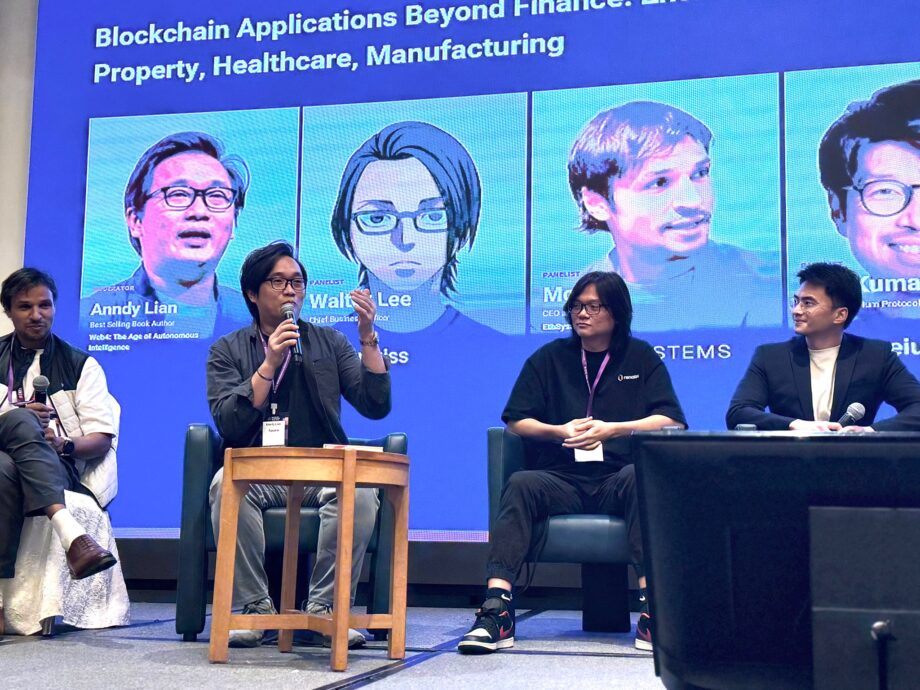
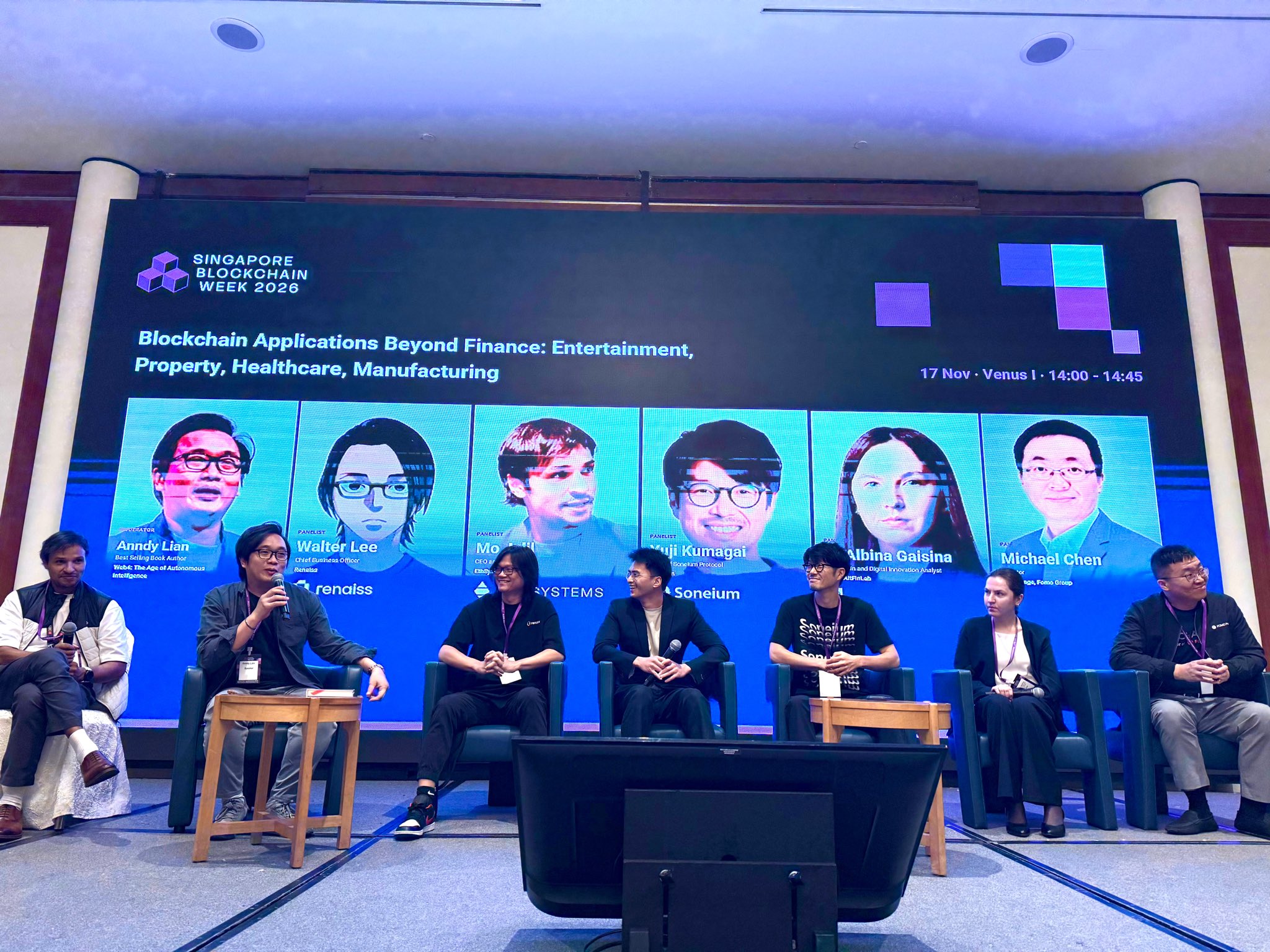
At Singapore Blockchain Week 2026, a panel of industry leaders convened to discuss blockchain applications beyond finance. Moderated by Anndy Lian, author of “Web4: The Age of Autonomous Intelligence,” the session featured Walter Lee from Renaiss, Mo Jalil from EthSystems, Yuji Kumagai from Soneium Protocol, Dr. Albina Gaisina from UNDP, and Michael Chen from 1exchange.
Best Use Cases Beyond Finance
Anndy Lian opened by asking panelists to identify the strongest blockchain use cases in their respective industries. Walter Lee emphasized tokenization of real-world assets, stating that blockchain’s immutable nature makes it ideal for proving asset movement in a decentralized manner. He noted that stablecoins follow the same principle, where meaningful blockchain usage matters most.
Dr. Gaisina highlighted transparency as a critical application. She explained that blockchain enables traceability of transactions and opens access to asset classes previously unavailable to certain groups. This technology allows small research teams targeting neglected diseases to raise funding from community members, addressing gaps that large pharmaceutical companies overlook.
Michael pointed to cross-border payments using stablecoins as the most widely adopted use case at scale. He observed that domestic payment systems like Venmo and WeChat Pay already function efficiently, but cross-border transactions benefit significantly from stablecoin integration. End users need not manage wallets directly since payment processors can handle stablecoins in the background.
AI and Blockchain Integration
The conversation shifted to artificial intelligence. Mo offered a pragmatic perspective, suggesting that blockchain should continue developing its core capabilities while AI learns to improve upon human processes. He noted that AI agents read binary on-chain data more effectively than traditional banking systems, making blockchain transactions clearer for automated agents.
Yuji saw opportunities in entertainment and intellectual property. He explained that AI enables anyone to become a creator, but licensing remains paper-based and human-oriented. Smart contracts on blockchain could accelerate agent usage of intellectual property licenses.
Cliff from Bio added that AI agents augment research capabilities by accessing multidisciplinary papers, while blockchain ensures provenance and copyright verification in an era of deepfakes.
Public Blockchain Adoption
Anndy questioned when permissionless public blockchains would see broader adoption. Michael acknowledged that financial institutions often use private blockchains for everyday operations, with users unaware of the underlying technology. He suggested that public blockchains shine when reliable governance is absent or capital controls are strict, offering a strong value proposition in such environments.
Dr. Gaisina noted that the choice between permissioned and permissionless chains depends on data protection laws and jurisdictional requirements, making generalization difficult.
Future Scenarios
Panelists shared visions for the future. Lee predicted blockchain-based shares would eventually replace electronic shares, citing DTCC’s recent initiatives. Mo envisioned blockchain as default infrastructure, with users unaware of whether they interact with Web2 or Web3. Dr. Gaisina forecast a fourth generation of cryptocurrency with novel consensus mechanisms.
Anndy closed with a cautionary note, urging the industry to find genuine use cases for cryptocurrency rather than chasing liquidity. He reminded attendees that if centralized systems work best, blockchain loses its purpose.
“Not everything should be tokenized”
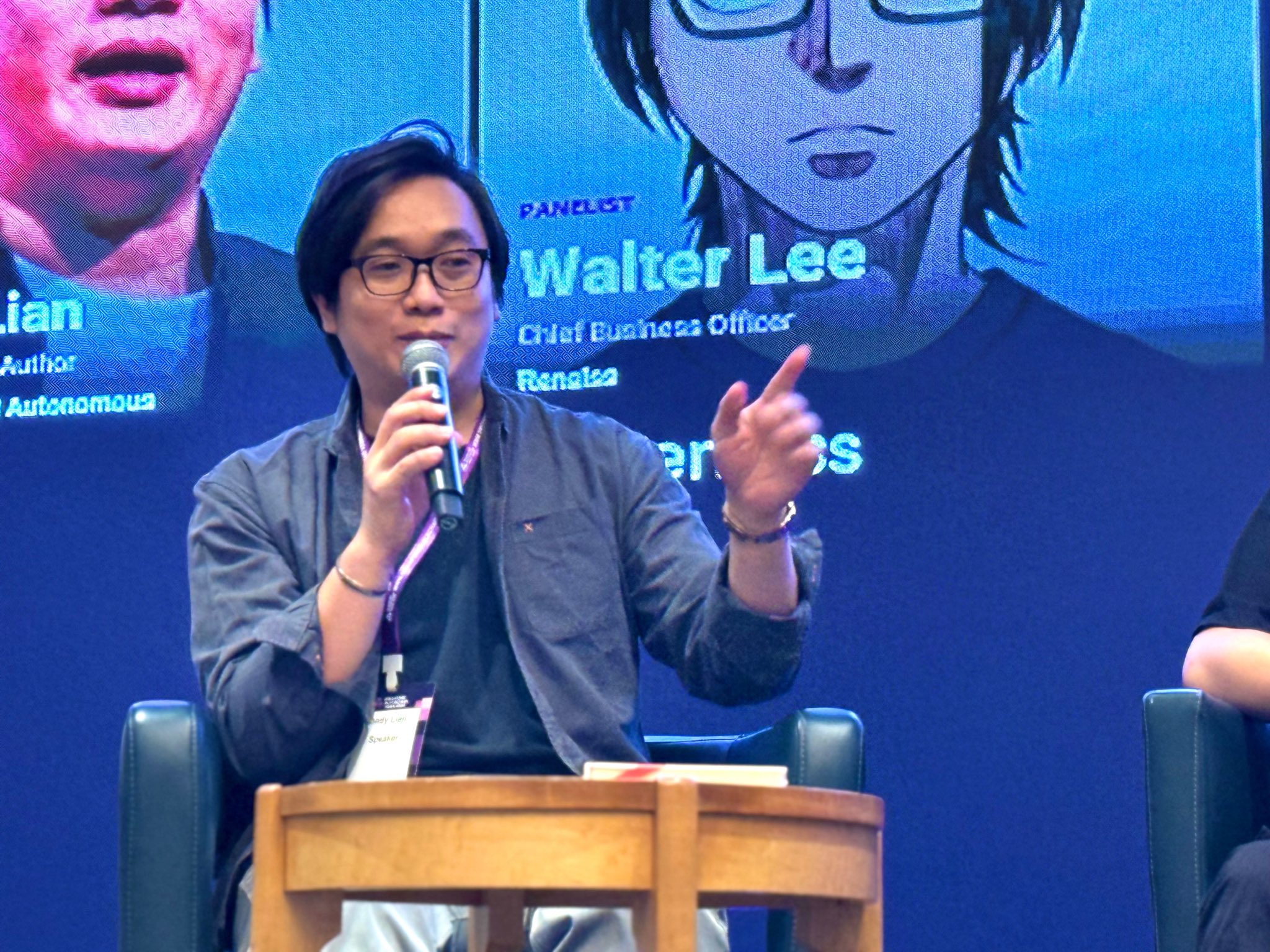
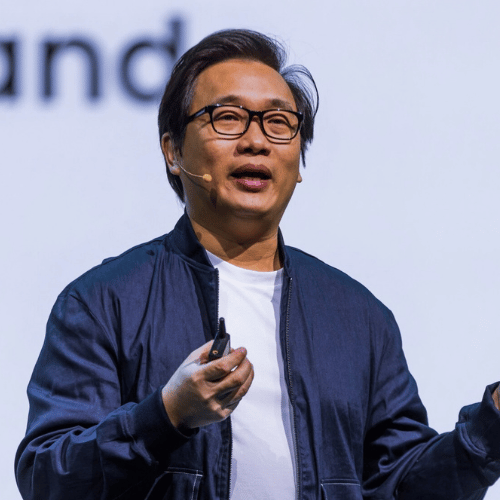
Anndy Lian is an early blockchain adopter and experienced serial entrepreneur who is known for his work in the government sector. He is a best selling book author. The latest book is Web4: The Age of Autonomous Intelligence.