Dogecoin Holders Mark 4/20 ‘Dogeday’ as SEC Reviews ETF Applications

Dogecoin Holders Mark 4/20 ‘Dogeday’ as SEC Reviews ETF Applications

Dogecoin holders marked April 20 as “Dogeday,” a community-driven celebration that started in 2021 and coincides with International Weed Day. The date has become an annual event for the Dogecoin community, which has maintained its presence in the cryptocurrency market despite criticism over its lack of utility and inflationary structure.

Currently valued at $23.3 billion, Dogecoin ranks as the eighth-largest cryptocurrency by market capitalization. It adds roughly 14.4 million new coins into circulation each day, resulting in a daily inflation of over $2.16 million. That amounts to an annual addition of around 5 billion coins. These tokenomics have drawn criticism but also appear to contribute to the coin’s retail appeal by keeping prices relatively low, often under $1.

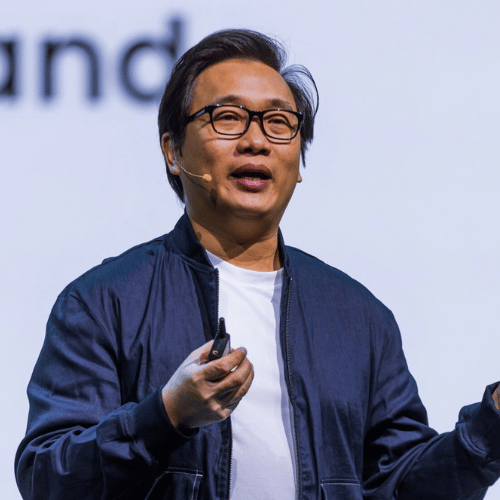
Anndy Lian, a blockchain expert, says Dogecoin’s popularity is supported by community enthusiasm, low entry barriers, and speculative interest. He explained that the coin’s inflationary supply keeps it accessible for everyday investors and that its meme-driven identity resonates with a younger, internet-focused demographic.

The coin’s appeal remains mostly rooted in online culture, with little underlying blockchain utility. Meme coins like Dogecoin typically rise in popularity due to social media engagement and hype. In November 2024, Dogecoin briefly surpassed Porsche in market capitalization, following a series of public endorsements from Elon Musk, further fueling retail interest.

As Dogeday celebrations took place, attention within the Dogecoin community also turned to the status of four pending exchange-traded fund (ETF) applications related to DOGE. These include proposals from Bitwise, Grayscale, 21Shares, and the Osprey Fund.

Both Bitwise and Grayscale’s Dogecoin ETF applications are under SEC review, with final decisions due by October 2025

Applications from 21Shares and Osprey are still in early stages, awaiting movement on their initial 19b-4 filings. No specific decision dates have been announced for either of those proposals.

While the future of DOGE ETFs remains uncertain, Dogecoin’s market presence continues to be shaped by its online community, speculative appeal, and visibility in broader conversations about crypto investment products. As the SEC’s deadlines approach, the outcome of these ETF applications is being closely watched by both investors and industry observers.


Source: https://finance.yahoo.com/news/dogecoin-holders-mark-4-20-011215159.html?guccounter=1

Anndy Lian is an early blockchain adopter and experienced serial entrepreneur who is known for his work in the government sector. He is a best selling book author- “NFT: From Zero to Hero” and “Blockchain Revolution 2030”.

Currently, he is appointed as the Chief Digital Advisor at Mongolia Productivity Organization, championing national digitization. Prior to his current appointments, he was the Chairman of BigONE Exchange, a global top 30 ranked crypto spot exchange and was also the Advisory Board Member for Hyundai DAC, the blockchain arm of South Korea’s largest car manufacturer Hyundai Motor Group. Lian played a pivotal role as the Blockchain Advisor for Asian Productivity Organisation (APO), an intergovernmental organization committed to improving productivity in the Asia-Pacific region.

An avid supporter of incubating start-ups, Anndy has also been a private investor for the past eight years. With a growth investment mindset, Anndy strategically demonstrates this in the companies he chooses to be involved with. He believes that what he is doing through blockchain technology currently will revolutionise and redefine traditional businesses. He also believes that the blockchain industry has to be “redecentralised”.

j j j

Session 7: Blockchain Application for Smart Contract and Decentralized Applications by Anndy Lian

Session 7: Blockchain Application for Smart Contract and Decentralized Applications by Anndy Lian

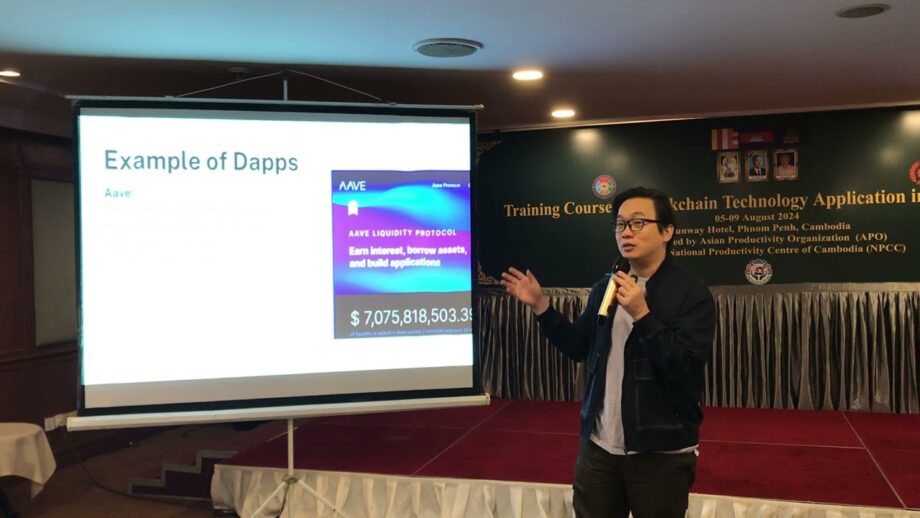
The digital age has ushered in an era of unprecedented technological advancement, and with it, a wave of innovation is sweeping across all sectors, including the often-complex realm of governance. At the forefront of this transformation lies the convergence of cryptocurrency, decentralized applications (dApps), and e-governance, a powerful synergy poised to redefine the relationship between governments and citizens. Anndy Lian, an intergovernmental blockchain expert, shares his views at a training program co-hosted by The Asian Productivity Organization (APO) and the National Productivity Centre (NPCC) of MISTI of Cambodia.

At its core, this transformation is fueled by the principles of decentralization, transparency, and efficiency – values deeply embedded within the architecture of blockchain technology. Unlike traditional centralized systems, where power and control reside in the hands of a few, blockchain operates as a distributed ledger, accessible to all participants. This inherent transparency fosters a new level of accountability, as every transaction, every decision, is recorded immutably and can be publicly verified. For governments grappling with issues of corruption and mistrust, blockchain emerges as a powerful tool to restore faith and ensure ethical conduct.

Beyond transparency, blockchain empowers the creation of automated, efficient systems through the use of smart contracts. These self-executing agreements, encoded on the blockchain, have the potential to revolutionize public services, eliminating bureaucratic bottlenecks and reducing the risk of human error. Imagine a world where applying for permits, receiving government benefits, or registering property is as simple as clicking a button – a world where citizens are no longer bogged down by paperwork and lengthy processing times. Smart contracts can make this vision a reality, streamlining government operations and freeing up resources for more critical tasks.

The burgeoning world of Decentralized Finance (DeFi) offers a compelling glimpse into the transformative potential of these technologies for e-governance. Platforms like PancakeSwap and Aave, built on blockchain networks, have gained immense popularity for their ability to facilitate financial transactions with minimal fees and user-friendly interfaces. These platforms demonstrate how governments could leverage similar principles to create more inclusive and efficient systems for distributing aid, managing public funds, and incentivizing citizen participation in governance initiatives.

One of the key barriers to widespread adoption of these technologies, however, is the perceived complexity of blockchain and cryptocurrency. Many view these as highly technical domains, accessible only to programmers and tech-savvy individuals. However, this perception is rapidly changing with the emergence of user-friendly tools like ChatGPT, which can assist even non-programmers in writing and testing smart contracts. These tools are democratizing access to blockchain technology, empowering individuals and organizations to explore its potential without requiring extensive technical expertise.

While the opportunities are vast, it is crucial to acknowledge the challenges that come with integrating these nascent technologies into existing governance structures. Establishing clear regulatory frameworks for cryptocurrencies, addressing concerns related to security and volatility, and building the necessary technological infrastructure will require careful consideration and collaboration between governments, technologists, and citizens.

Despite these challenges, the potential rewards are too significant to ignore. The convergence of cryptocurrency, dApps, and e-governance represents a paradigm shift in how we think about governance in the digital age. By embracing the principles of decentralization, transparency, and efficiency, governments can harness the power of these technologies to create more responsive, accountable, and citizen-centric societies. The journey may be complex, but the destination – a future where technology empowers and strengthens the very fabric of our democracies – is one worth striving for.

Anndy Lian is an early blockchain adopter and experienced serial entrepreneur who is known for his work in the government sector. He is a best selling book author- “NFT: From Zero to Hero” and “Blockchain Revolution 2030”.

Currently, he is appointed as the Chief Digital Advisor at Mongolia Productivity Organization, championing national digitization. Prior to his current appointments, he was the Chairman of BigONE Exchange, a global top 30 ranked crypto spot exchange and was also the Advisory Board Member for Hyundai DAC, the blockchain arm of South Korea’s largest car manufacturer Hyundai Motor Group. Lian played a pivotal role as the Blockchain Advisor for Asian Productivity Organisation (APO), an intergovernmental organization committed to improving productivity in the Asia-Pacific region.

An avid supporter of incubating start-ups, Anndy has also been a private investor for the past eight years. With a growth investment mindset, Anndy strategically demonstrates this in the companies he chooses to be involved with. He believes that what he is doing through blockchain technology currently will revolutionise and redefine traditional businesses. He also believes that the blockchain industry has to be “redecentralised”.

j j j

APO, NPCC hold training on Blockchain Tech applications in e-Government

APO, NPCC hold training on Blockchain Tech applications in e-Government

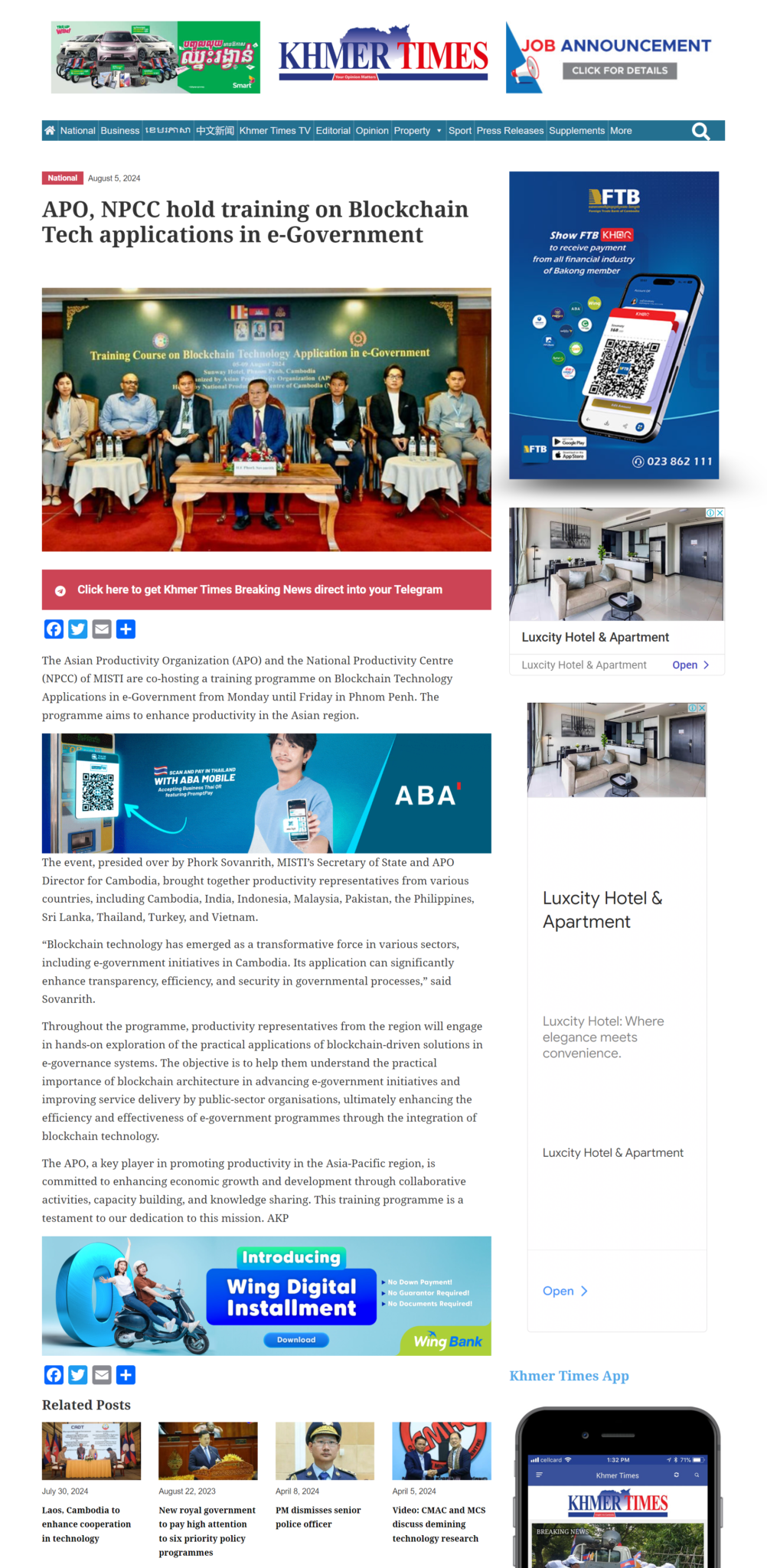
The Asian Productivity Organization (APO) and the National Productivity Centre (NPCC) of MISTI are co-hosting a training programme on Blockchain Technology Applications in e-Government from Monday until Friday in Phnom Penh. The programme aims to enhance productivity in the Asian region.

The event, presided over by Phork Sovanrith, MISTI’s Secretary of State and APO Director for Cambodia, brought together productivity representatives from various countries, including Cambodia, India, Indonesia, Malaysia, Pakistan, the Philippines, Sri Lanka, Thailand, Turkey, and Vietnam.

“Blockchain technology has emerged as a transformative force in various sectors, including e-government initiatives in Cambodia. Its application can significantly enhance transparency, efficiency, and security in governmental processes,” said Sovanrith.

Throughout the programme, productivity representatives from the region will engage in hands-on exploration of the practical applications of blockchain-driven solutions in e-governance systems. The objective is to help them understand the practical importance of blockchain architecture in advancing e-government initiatives and improving service delivery by public-sector organisations, ultimately enhancing the efficiency and effectiveness of e-government programmes through the integration of blockchain technology.

The APO, a key player in promoting productivity in the Asia-Pacific region, is committed to enhancing economic growth and development through collaborative activities, capacity building, and knowledge sharing. This training programme is a testament to our dedication to this mission.


Source:  https://www.khmertimeskh.com/501535446/apo-npcc-hold-training-on-blockchain-tech-applications-in-e-government/

Anndy Lian is an early blockchain adopter and experienced serial entrepreneur who is known for his work in the government sector. He is a best selling book author- “NFT: From Zero to Hero” and “Blockchain Revolution 2030”.

Currently, he is appointed as the Chief Digital Advisor at Mongolia Productivity Organization, championing national digitization. Prior to his current appointments, he was the Chairman of BigONE Exchange, a global top 30 ranked crypto spot exchange and was also the Advisory Board Member for Hyundai DAC, the blockchain arm of South Korea’s largest car manufacturer Hyundai Motor Group. Lian played a pivotal role as the Blockchain Advisor for Asian Productivity Organisation (APO), an intergovernmental organization committed to improving productivity in the Asia-Pacific region.

An avid supporter of incubating start-ups, Anndy has also been a private investor for the past eight years. With a growth investment mindset, Anndy strategically demonstrates this in the companies he chooses to be involved with. He believes that what he is doing through blockchain technology currently will revolutionise and redefine traditional businesses. He also believes that the blockchain industry has to be “redecentralised”.

j j j