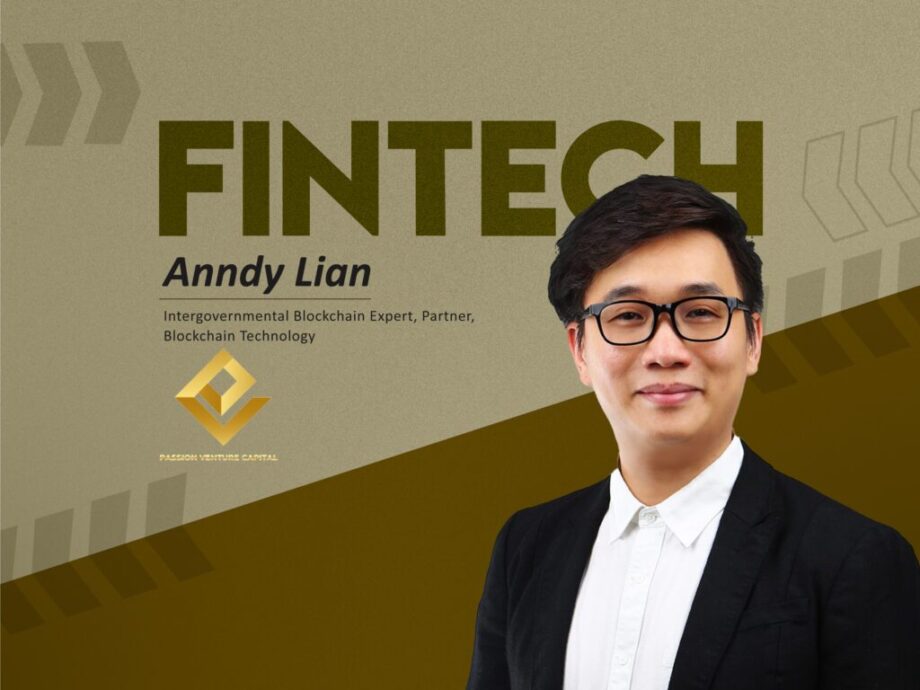
Global Fintech Interview with Anndy Lian, Intergovernmental Blockchain Expert, Partner at Blockchain Technology

Global Fintech Interview with Anndy Lian, Intergovernmental Blockchain Expert, Partner at Blockchain Technology

Hi Anndy, welcome to our Fintech Interview Series. Please tell us about your fintech journey so far.

My name is Anndy Lian, and I am based in Singapore.

I have provided advisory across a variety of industries for local, international, and public-listed companies and governments. I am an early blockchain adopter and experienced serial entrepreneur, book author, investor, board member, and keynote speaker. I was also the Advisory Board Member for Hyundai DAC, the blockchain arm of South Korea’s largest car manufacturer Hyundai Motor Group. I have also played a pivotal role as the Blockchain Advisor for Asian Productivity Organisation (APO), an intergovernmental organization committed to improving productivity in the Asia-Pacific region. In 2018, I was part of the Gyeongsangbuk-do Blockchain Special Committee, Government of the Republic of Korea, together with industry experts to help the province to grow using blockchain technologies.

I was awarded an Honorary Doctoral Degree by the Academic Council of Ulaanbaatar Erdem University in recognition of my contribution to the development of productivity science in Mongolia.

Using blockchain, financial institutions can save up to $12 billion every year. What are your comments?

According to a report by Accenture, blockchain technology could help the world’s largest investment banks cut their infrastructure costs by between $8 to $12 billion a year by 2025. The report is based on an analysis of cost data from eight of the world’s ten largest investment banks and provides a rare concrete estimate of blockchain’s potential savings. The report mentioned that it could reduce infrastructure costs by an average of 30 percent, helped by better data quality and transparency.

Costs associated with compliance, business operations such as trade support, and centralized operations such as know-your-customer checks could fall by up to 50 percent. The savings portion could be a lot more if they look into the fact that with blockchain technology, the banks could potentially be running their business 24/7, anywhere, anytime.

However, the report also warns that if regulatory hurdles prevent blockchain’s widespread adoption, banks will not reap any of its benefits. For this statement, I cannot entirely agree. Blockchain technology is not what the regulatory bodies are looking at. They are looking at cryptocurrency. In fact, some banks have already adopted blockchain on their back end for years.

Imagine a situation where you have to invest all your money in crypto. Which one would it be, and why?

I am an investor, not a gambler. So, in theory, I will not put all my eggs into one basket and take on uncalculated risks. But given the situation above, the only top-of-mind recall would still be Bitcoin.

I see Bitcoin as a new asset class with many advantages as an investment, mainly owing to its decentralized and hyper-portable profile. I also see it as a way to regain control of their financial future and as a sound form of money free from the manipulation of outside factors.

Additionally, I think people who invest in Bitcoin because they believe that banks offer slow and outdated money transfer services and want to make international transfers without paying outrageous fees or waiting a long time.

Well, lets the markets do the talking. The latest BRC-20 craze says it all.

Can you talk about some of the most innovative fintech apps and platforms that are set to create new benchmarks for this segment?

Many innovative fintech apps and platforms use blockchain technology to create new benchmarks in the financial industry. Some of the best blockchain platforms to build modern finance applications include Ethereum, Ripple, and Cardano. These platforms provide a range of tools and services for developers to build decentralized financial applications.

For example, Circle is a fintech platform that oversees the exchange of traditional and cryptocurrency payments between users and provides tools for businesses to build themselves on the blockchain. The company’s merchant payment services utilize stablecoin technology to move money between digital currencies securely and quickly.

How according to you will emerging tech like Blockchain/AI create an impact in this space (fintech/SaaS platforms)?

Emerging technologies like Blockchain and AI are set to significantly impact the fintech and SaaS platform space. Blockchain technology provides a secure and transparent way to store and transfer data, making it ideal for use in financial transactions. Many fintech companies recognize the potential of blockchain and cryptocurrency and are developing new products and services based on these technologies.

AI, on the other hand, has the ability to quickly analyze massive quantities of data to derive important insights and information. This can bring many benefits to the financial industry, such as helping to fight fraud, delivering better customer experiences, and creating new efficiencies and conveniences when it comes to payments.

For example, many financial institutions are now using AI to better detect and stop fraud in digital banking channels by analyzing data streams from the user’s device, their behavior during the online banking session, the transactions themselves, the channels and business applications being accessed, and more – in real-time – to recognize fraud as it is occurring and stop it in its tracks.

Overall, the synergy of fintech, SaaS-based platforms, blockchain, and AI has the potential to transform the financial landscape by providing more secure, efficient, and user-centric financial services.

What are some of the biggest challenges you face in crypto marketing?

I invest in companies and advise some of them and observed that one of the biggest challenges is hiring the wrong people in the incorrect marketing function.

Recently, I encountered a company with no marketing department, and the so-called marketing function is led by the marketing communication department. This is a wrong functional move, and the outcome will never be satisfying for the company or the stakeholders.

Another challenge I see in crypto marketing is bad content. Crypto companies tend to make something small into something big and unbelievable. For example, “AWS Signs MOU with Crypto Company A for the next three years”. This basically means Crypto Company A uses AWS Web service to host their app for the next three years.

We’d love to know what are your predictions for the tech domain for 2030.

Some of the specific technologies that are expected to have a significant impact by 2030 include process automation and virtualization, faster digital connections powered by 5G and the IoT, and human-like AI.

For example, around half of all existing work activities could be automated in the next few decades as next-level process automation and virtualization become more commonplace1. Additionally, faster digital connections powered by 5G and the IoT have the potential to unlock economic activity and increase global GDP by $1.2 trillion to $2 trillion by 20301.

In terms of AI, there will be exponential improvements in computer processing power, voice recognition, image recognition, deep learning, and other software algorithms. This could lead to AI-generated virtual assistants that have the capability to carry out nuanced conversations with users.

Who inspired you most in your tech journey?

It has to be Elon Musk. Elon Musk, CEO of SpaceX and Tesla, has been known to tweet about different cryptocurrencies which have seemingly impacted their prices.

Musk has clarified that he only owns Bitcoin, Ether, and Dogecoin. He has explained that he supports Dogecoin because it felt like the people’s crypto. “Lots of people I talked to on the production lines at Tesla or building rockets at SpaceX own Doge,” Musk said. “They aren’t financial experts or Silicon Valley technologists. That’s why I decided to support Doge — it felt like the people’s crypto”.

Musk’s vision for cryptocurrency goes far beyond just supporting Dogecoin. He has been pushing forward with his vision for Twitter payments, which includes exploring more ways for users to reward creators directly, for users to buy items directly through the platform, and for users to pay one another. His vision highlights the potential for cryptocurrency to disrupt the traditional financial industry due to its decentralized nature and potential for fast and cheap transactions.

Thank you, Anndy! That was fun and we hope to see you back on globalfintechseries.com soon.
 

Source: https://globalfintechseries.com/blockchain/global-fintech-interview-with-anndy-lian-intergovernmental-blockchain-expert-partner-at-blockchain-technology/


Anndy Lian is an early blockchain adopter and experienced serial entrepreneur who is known for his work in the government sector. He is a best selling book author- “NFT: From Zero to Hero” and “Blockchain Revolution 2030”.

Currently, he is appointed as the Chief Digital Advisor at Mongolia Productivity Organization, championing national digitization. Prior to his current appointments, he was the Chairman of BigONE Exchange, a global top 30 ranked crypto spot exchange and was also the Advisory Board Member for Hyundai DAC, the blockchain arm of South Korea’s largest car manufacturer Hyundai Motor Group. Lian played a pivotal role as the Blockchain Advisor for Asian Productivity Organisation (APO), an intergovernmental organization committed to improving productivity in the Asia-Pacific region.

An avid supporter of incubating start-ups, Anndy has also been a private investor for the past eight years. With a growth investment mindset, Anndy strategically demonstrates this in the companies he chooses to be involved with. He believes that what he is doing through blockchain technology currently will revolutionise and redefine traditional businesses. He also believes that the blockchain industry has to be “redecentralised”.
j j j

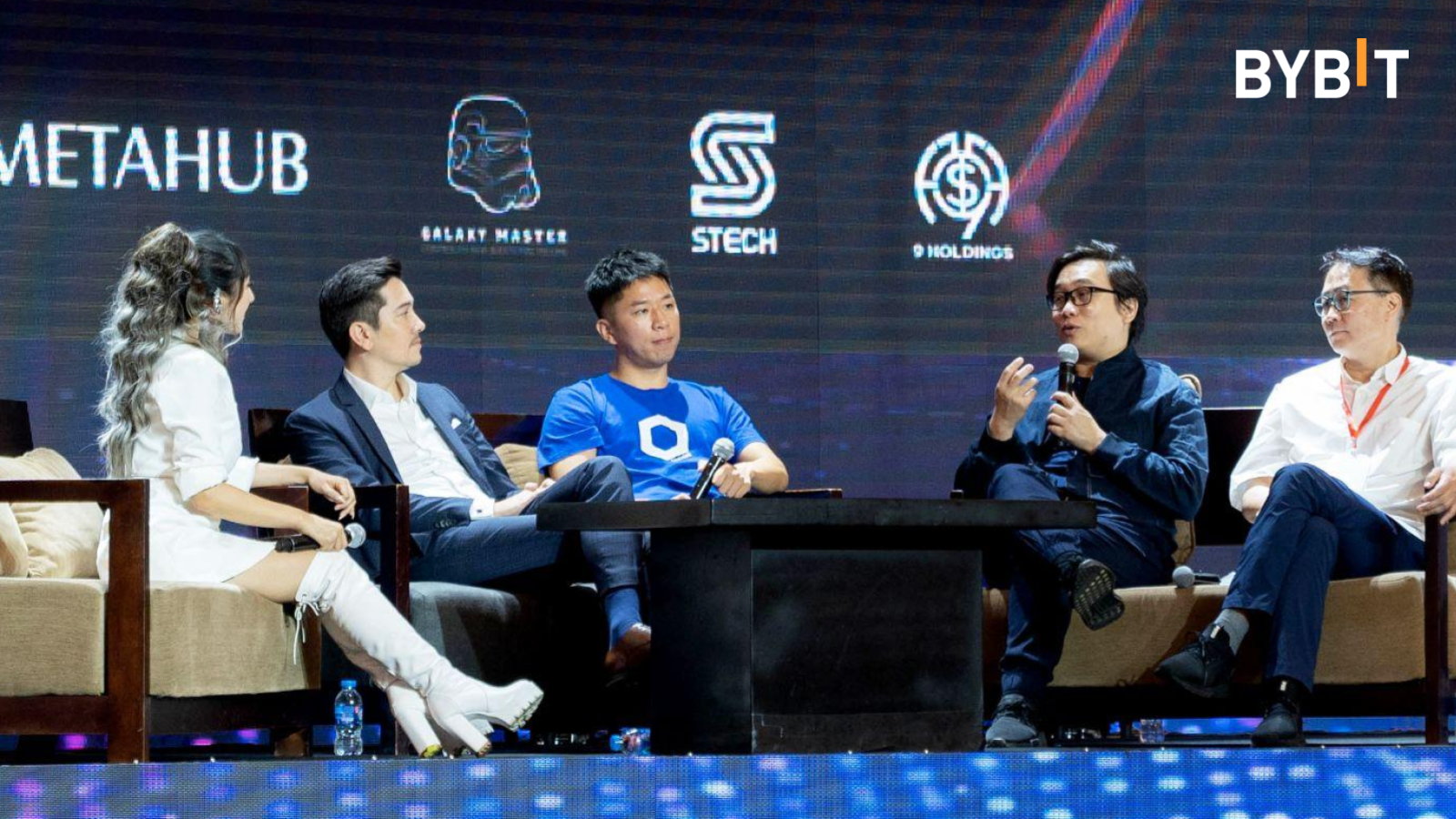
Bybit Talks — The Convergence of Web3, Blockchain, and AI

Bybit Talks — The Convergence of Web3, Blockchain, and AI

Introduction


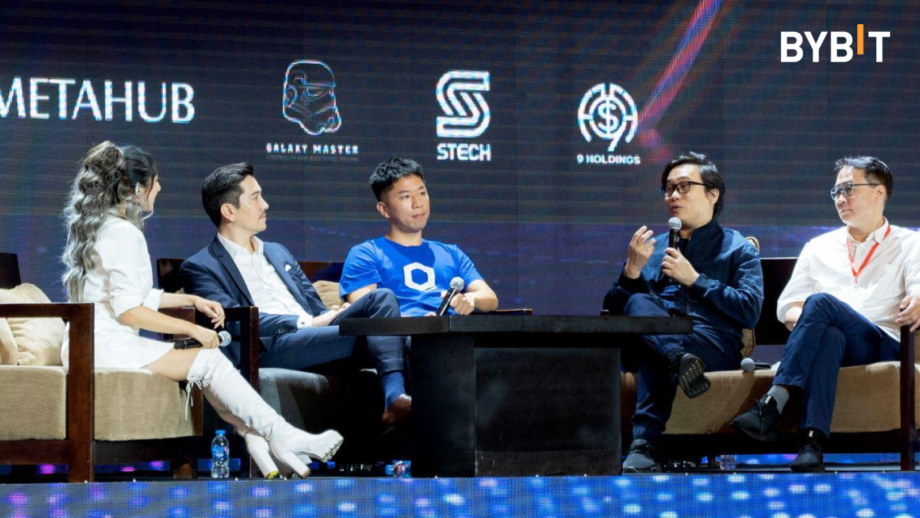
At the Brand Launchpad Event held on 29th May 2023 at Ho Chi Minh, Vietnam, Anndy Lian, advisor of Bybit, discussed the growth of the Web3 industry and its relationship with AI. Lian highlighted how Web3 empowers creators and communities in making informed business choices. He emphasized the convergence of Web3, blockchain, and AI, addressing concerns and emphasizing the benefits of understanding and leveraging AI’s capabilities. Lian also mentioned the advantages of using AI in crypto trading practices.


The Empowering Potential of Web3


Lian emphasized that what we should all focus on is that ” Web3 is for the creators.”. He explains how Web3 “ushers in a fresh type of economy that empowers users and communities to make more informed and advantageous business choices.”


The convergence of Web3, blockchain, and AI, according to Lian, is transforming multiple industries and driving innovation across the board. He further discussed the relationship between these technologies, highlighting their potential to collaborate and create innovative solutions. Blockchain, as Lian explained, plays a crucial role as the verification and security layer. By establishing a decentralized and tamper-proof system, blockchain ensures data integrity and transparency, instilling trust among participants and the AI layer.

AI’s Impact and Potential


Addressing concerns about AI’s impact, Lian reassured the audience that there’s no need for undue worry. Instead, he encouraged understanding and taking control of AI’s capabilities. Lian emphasized that AI can yield positive outcomes if properly harnessed and leveraged. Understanding AI and its potential empowers individuals to make the most of this transformative technology.


By harnessing data analysis and pattern recognition, AI-powered crypto trading systems can generate improved results. These systems process vast amounts of historical and real-time data from diverse sources, including price charts, market indicators, news articles, and social media sentiment. Through this analysis, AI algorithms can identify patterns and trends that may elude human traders, facilitating more informed decision-making. Anndy concluded his take on the advantages of utilizing AI in trading practices by linking it all back to how AI can ultimately aid crypto exchanges.


In conclusion, the panel discussion at the 29th 2023 Brand Launchpad Event brought attention to the immense potential of Web3, blockchain, and AI. These technologies hold the promise of unlocking unprecedented opportunities for creators, businesses, and individuals in a decentralized and data-driven world. As they continue to advance and intersect, understanding and embracing these transformative technologies will be crucial in navigating the ever-evolving landscape of the digital economy. By staying informed and proactive, we can fully harness their power and pave the way for a prosperous future.


Anndy Lian is an early blockchain adopter and experienced serial entrepreneur who is known for his work in the government sector. He is a best selling book author- “NFT: From Zero to Hero” and “Blockchain Revolution 2030”.

Currently, he is appointed as the Chief Digital Advisor at Mongolia Productivity Organization, championing national digitization. Prior to his current appointments, he was the Chairman of BigONE Exchange, a global top 30 ranked crypto spot exchange and was also the Advisory Board Member for Hyundai DAC, the blockchain arm of South Korea’s largest car manufacturer Hyundai Motor Group. Lian played a pivotal role as the Blockchain Advisor for Asian Productivity Organisation (APO), an intergovernmental organization committed to improving productivity in the Asia-Pacific region.

An avid supporter of incubating start-ups, Anndy has also been a private investor for the past eight years. With a growth investment mindset, Anndy strategically demonstrates this in the companies he chooses to be involved with. He believes that what he is doing through blockchain technology currently will revolutionise and redefine traditional businesses. He also believes that the blockchain industry has to be “redecentralised”.

j j j

I use strategies such as diversification to manage risks: Blockchain expert Anndy Lian

I use strategies such as diversification to manage risks: Blockchain expert Anndy Lian

Amidst the challenges of a tough funding climate, e27 is launching an exciting new article series called Angel’s Advocate to provide fresh perspectives on angel funding. In this exclusive series, we sit down with prominent angels to hear their stories and strategies and gain unique insights about the early-stage financing space.

Anndy Lian is an all-rounded business strategist in Asia. He has provided advisory across various industries for local, international, and publicly listed companies and governments. He is an early blockchain adopter, serial entrepreneur, author, investor, board member, and keynote speaker.

In this edition, Lian shares his take on angel funding.

Edited excerpts:

How do you typically approach investing during a funding winter?

I would put my eggs into different baskets. In one of my baskets, I will focus on companies with solid fundamentals and a proven track record of generating revenue and profits. This kind of investment tends to be on the safe side, longer term, and returns may not be fantastic.

Then in my next basket, I will find low-valuation, high-potential startups with the right fundamentals to invest in. Crypto companies fit into this category nicely.

What are your typical investment criteria, such as industry, stage, and geographic location?

Investment criteria do not cover everything. It gives me guidelines that my team and I can use to filter out bad companies. In the current state of the market, I only look at tech companies, mainly in the cryptocurrency and blockchain industries. If they are more infrastructure-like, I do not mind investing in them at later stages. If the project is one of a kind, I would like to invest as early as possible, maybe pre-seed. If the project is more hype-driven, I will invest when the volume picks up.

Can you describe your investment process from initial contact to closing a deal?

First of all, the initial contact. We may learn about a potential investment opportunity through their personal network, a pitch event, or by contacting the company seeking funding directly. Then followed by screening. This process is a deeper level of evaluation where we will have longer calls to look for investment alignment.

We will go through the due diligence process if they pass this stage. We will conduct more in-depth research and analysis to evaluate the company’s business model, management team, financial performance, and growth potential. This process is the most important to me. The chance to interact with the team would be one of the key things.

The next stage would be negotiation. If we decide to move forward with the investment, we will negotiate the terms of the deal with the company, including the amount of funding and the valuation.

Once all parties have agreed upon the terms of the deal, legal documents will be prepared and signed to finalise the investment.

How do you evaluate a startup’s potential for growth and success?

Evaluating a startup’s potential for growth and success can be challenging, as many factors can impact a company’s future performance. I look at the market opportunity, business model, management team, financial performance and competition.

How important is the founder’s experience and background when making investment decisions?

Well, it is definitely important. The founder is the brain and creator of the company. If the main driver does not have the experience and background, the outcome would generally be disastrous.

Can you share your successful investment and what made that investment successful?

So far, crypto investments are the most successful in my portfolio. At crazy times, meme-coins can also be a potential 100X gem.

What are some common mistakes that startups make when pitching to angel investors? What are some myths about angel investment?

Some common mistakes that startups make when pitching to angel investors include not understanding the needs and goals of angel investors, failing to clearly articulate the value proposition, relying too heavily on financial projections, not doing enough research on potential investors, and not having a multi-faceted marketing strategy.

Another mistake is sending your executive summary or business plan unsolicited. Many investors do not read unsolicited emails and prefer a referral from someone in their network. It’s also important to do your homework on the investor and ensure your company is aligned with the investors’ objectives.

How important is the alignment of values between the investor and the founder?

The alignment of values between the investor and the startup founder is crucial. Ideally, your investors should be experts in your field or sector so that they not only understand the costs, time-to-market, and potential pitfalls of your vision but can also connect you with the right people and resources to help you achieve it. It’s important for the investor to spend some time understanding the skills and capabilities of startups.

How do you manage risks when investing in startups? Are there any specific metrics or indicators you look for?

Investing in startups is risky, but it can be very rewarding if the investments pay off. Most new companies or products do not make it, so the risk of losing one’s entire investment is a real possibility.

To manage risk, I can use strategies such as diversification, which refers to spreading my investments over a variety of assets with the aim that a portfolio of lowly-correlated assets does not all move in the same direction at the same time or even if they do move in the same direction, it should at least be by different degrees.

Can you share any advice for startups looking to raise funds from angel investors?

My humble advice to startup owners is to develop a business plan before approaching someone about funding. Put in writing what the investor is offering the business outside of funding because many angel investors expect to contribute their time actively to startups in which they invest. Establish roles.

It’s also important to create a strong, thorough, and engaging investor pitch deck and guidance on presenting to angel and venture capital investors.


Source: https://e27.co/i-use-strategies-such-as-diversification-to-manage-risks-blockchain-expert-invest-anndy-lian-20230524/

Anndy Lian is an early blockchain adopter and experienced serial entrepreneur who is known for his work in the government sector. He is a best selling book author- “NFT: From Zero to Hero” and “Blockchain Revolution 2030”.

Currently, he is appointed as the Chief Digital Advisor at Mongolia Productivity Organization, championing national digitization. Prior to his current appointments, he was the Chairman of BigONE Exchange, a global top 30 ranked crypto spot exchange and was also the Advisory Board Member for Hyundai DAC, the blockchain arm of South Korea’s largest car manufacturer Hyundai Motor Group. Lian played a pivotal role as the Blockchain Advisor for Asian Productivity Organisation (APO), an intergovernmental organization committed to improving productivity in the Asia-Pacific region.

An avid supporter of incubating start-ups, Anndy has also been a private investor for the past eight years. With a growth investment mindset, Anndy strategically demonstrates this in the companies he chooses to be involved with. He believes that what he is doing through blockchain technology currently will revolutionise and redefine traditional businesses. He also believes that the blockchain industry has to be “redecentralised”.

j j j