The NFT Crash: How a Crypto Fad Turned Into a Flop and How You Can Survive It

The NFT Crash: How a Crypto Fad Turned Into a Flop and How You Can Survive It

NFTs, or non-fungible tokens, were once hailed as the next big thing in the crypto world. They were supposed to revolutionize the way we create, own, and trade digital assets, from art and music to games and memes. They were supposed to empower artists and creators and democratize the digital economy. They were supposed to make millions for savvy investors and collectors.

But now, it seems that the NFT craze has come to an abrupt end. According to a report by DappGambl, a website that analyzes the crypto gambling industry, 95% of NFT collections have a market cap of zero. That means that the vast majority of NFTs are worthless and that millions of people who bought them have lost their money.

How did this happen? How did a crypto fad turn into a flop? And what does this mean for the future of NFTs and the cryptocurrency industry?

The Rise and Fall of NFTs

NFTs are essentially digital certificates of ownership recorded on a blockchain, usually Ethereum. They can represent any unique digital asset, such as an image, a video, a song, or a tweet. Unlike traditional digital files, which can be copied and shared endlessly, NFTs are supposed to be scarce and verifiable, giving them value and authenticity.

The concept of NFTs is not new. The first NFTs were created in 2017, with projects such as CryptoKitties and CryptoPunks. However, it was not until 2021 that NFTs exploded in popularity and price. Driven by the hype and speculation around crypto assets, NFTs attracted celebrities, artists, influencers, and investors who saw them as a new way to express themselves, support causes or make profits.

Some of the most notable NFT sales in 2021 include:

These astronomical prices created a frenzy in the NFT market, as more and more people wanted to get in on the action. New platforms, projects, and collections emerged every day, offering various types of NFTs, from art and music to sports and gaming. The supply and demand of NFTs skyrocketed, reaching a peak in August 2021, when the monthly trading volume of NFTs hit $2.8 billion.

However, this boom was not sustainable. As more and more NFTs flooded the market, their quality and originality declined. Many NFTs were simply copies or variations of existing works or concepts with little or no artistic or creative value. Many NFTs were also overpriced or overhyped, with unrealistic expectations or promises. Many NFTs were also vulnerable to technical issues or security breaches, such as hacking or minting errors.

As a result, the demand and interest for NFTs plummeted. Many buyers realized they had bought worthless or dubious assets they could not sell or use. Many sellers realized that they had missed the opportunity to cash out or diversify their portfolios. Many platforms realized that they had failed to attract or retain customers or partners.

According to DappGambl’s report, out of 73,257 NFT collections that it analyzed,

  • 69,795 collections have a market cap of zero ETH.
  • 15% of collections have less than 10 percent ownership.
  • Only 21% of collections have full ownership.
  • 18% of top collections have a floor price of zero.
  • 41% of collections are priced between $5 and $100.
  • Less than 1% of collections are valued above $6,000.

These statistics show that the majority of NFTs are worthless or unsold and that the NFT market is in a state of collapse. The report also predicts that the NFT market will continue to decline, as more and more people lose interest or confidence in NFTs.

The Future of NFTs

Does this mean that NFTs are dead? Not necessarily. While the NFT craze may have been a bubble that burst, the underlying technology and concept of NFTs still have potential and value. NFTs can still offer a novel and innovative way to create, own, and trade digital assets, as well as to support artists and creators and to democratize the digital economy.

Major challenges and limitations

However, for NFTs to survive and thrive, they need to overcome some major challenges and limitations. One of these challenges is the lack of clear and consistent regulation and standards for NFTs. This creates uncertainty and confusion for both creators and consumers, as well as for regulators and policymakers.

NFTs are currently governed by a patchwork of laws and regulations that vary across countries and jurisdictions, making it difficult to determine the legal status, rights, and obligations of NFTs and their owners. Moreover, there is no widely accepted or enforced standard for verifying the authenticity, provenance, and quality of NFTs, which leaves room for fraud, plagiarism, and manipulation.

Another challenge is the low quality and originality of many NFTs. This dilutes the value and appeal of NFTs and undermines their credibility and legitimacy. As the NFT market grows and attracts more participants, there is an influx of low-effort, low-quality, or copied NFTs that flood the market and saturate the demand. These NFTs not only reduce the scarcity and uniqueness of NFTs but also erode the trust and confidence of consumers and collectors who may question the artistic merit and cultural significance of NFTs.

A third challenge is the high volatility and speculation of the NFT market. This exposes investors and collectors to significant risks and losses and discourages long-term appreciation and adoption of NFTs. The NFT market is driven by hype, FOMO (fear of missing out), and celebrity endorsements, which create artificial demand and inflate prices beyond their intrinsic value. The market is also prone to crashes, bubbles, and scams, as seen in the recent decline of NFT sales and prices after a record-breaking peak in March 2023. These factors make the NFT market unpredictable and unstable, deterring potential buyers and sellers who seek more reliable and sustainable returns on their investments.

The last challenge is the limited accessibility and usability of NFTs. This requires technical knowledge and skills, as well as crypto wallets and platforms, to create, buy, sell, or use NFTs. NFTs are not easily accessible or usable for the average person who may not be familiar with the concepts and technologies behind them. To participate in the NFT market, one needs to have a crypto wallet that supports the specific blockchain network that hosts the NFTs, as well as enough cryptocurrency to pay for the transaction fees that can be quite high depending on the network congestion. Moreover, one needs to use specialized platforms or marketplaces that facilitate the creation or exchange of NFTs, which may have different features, functions, and interfaces.

Take proactive and collaborative actions

To address these challenges and limitations, the NFT industry and community need to take some proactive and collaborative actions. These actions include developing and adopting best practices and guidelines for creating, valuing, verifying, and marketing NFTs, as well as for ensuring their security, privacy, and interoperability.

These standards would help to establish a common framework and understanding for NFTs, as well as to protect the rights and interests of both creators and consumers. They would also facilitate the exchange and transfer of NFTs across different platforms and networks, as well as to prevent fraud, theft, or misuse of NFTs.

Another action that is needed is to explore and implement more sustainable and efficient solutions for producing and storing NFTs, such as using renewable energy sources or alternative blockchains. These solutions would help to reduce the environmental impact and cost of NFTs, as well as to improve their performance and scalability. For example, some blockchains use a consensus mechanism called Proof-of-Stake (PoS), which does not require intensive computation or electricity to validate transactions and secure the network.

Furthermore, the NFT space needs to foster more creativity and diversity by encouraging more original and innovative works or concepts, as well as more representation and inclusion of different voices and perspectives. These efforts would help to enhance the quality and originality of NFTs, as well as to showcase the artistic potential and cultural value of NFTs. They would also attract more audiences and participants to the NFT market, as well as to foster more collaboration and inspiration among creators.

Additionally, the NFT industry and community need to promote more education and awareness about the benefits and risks of NFTs and their legal and ethical implications for both creators and consumers. These initiatives would help to inform and empower both creators and consumers about their rights and responsibilities regarding NFTs, as well as to provide them with the necessary knowledge and skills to create, buy, sell, or use NFTs. They would also help to dispel some of the myths and misconceptions about NFTs, as well as to address some of the social and moral concerns that may arise from NFTs.

Moreover, the NFT industry and community need to enhance more integration and compatibility of NFTs with other platforms and applications, such as social media, gaming, e-commerce, or art. These integrations would help to increase the accessibility and usability of NFTs, as well as to expand their use cases and functionalities. They would also help to create more value and demand for NFTs, as well as to enrich the user experience and engagement with NFTs.

Finally, the NFT industry and community need to work with the right partners who can bring extraordinary results, too. For example, Oracle Red Bull Racing and Bybit launched the Velocity Pass in this quarter, and they have over 1000ETH trading volume on secondary marketplaces, including Bybit NFT, OpenSea, and Blur, since its release. The latest in its series, called Pursuit by Per Kristian Stoveland, launched on 21 September, has more than 125ETH in volume, with floor price of almost five times.

The Bottom Line

The NFT crash is not the end of the story. It is a wake-up call for the NFT industry and community. It is an opportunity to learn from the mistakes and failures of the past. It is a chance to improve and innovate for the future.

NFTs are not just a crypto fad. They are a crypto phenomenon. They have the potential to transform the way we create, own, and trade digital assets. They have the potential to empower artists and creators. They have the potential to democratize the digital economy.

But they also have the potential to fail. They have the potential to harm the environment. They have the potential to deceive investors. They have the potential to disrupt society.

The future of NFTs depends on how we use them. The future of NFTs depends on us. We will survive it.


Source: https://www.techopedia.com/the-nft-crash-how-a-crypto-fad-turned-into-a-flop-and-how-you-can-survive-it

Anndy Lian is an early blockchain adopter and experienced serial entrepreneur who is known for his work in the government sector. He is a best selling book author- “NFT: From Zero to Hero” and “Blockchain Revolution 2030”.

Currently, he is appointed as the Chief Digital Advisor at Mongolia Productivity Organization, championing national digitization. Prior to his current appointments, he was the Chairman of BigONE Exchange, a global top 30 ranked crypto spot exchange and was also the Advisory Board Member for Hyundai DAC, the blockchain arm of South Korea’s largest car manufacturer Hyundai Motor Group. Lian played a pivotal role as the Blockchain Advisor for Asian Productivity Organisation (APO), an intergovernmental organization committed to improving productivity in the Asia-Pacific region.

An avid supporter of incubating start-ups, Anndy has also been a private investor for the past eight years. With a growth investment mindset, Anndy strategically demonstrates this in the companies he chooses to be involved with. He believes that what he is doing through blockchain technology currently will revolutionise and redefine traditional businesses. He also believes that the blockchain industry has to be “redecentralised”.


j j j

Worldcoin is amidst a World War. Here’s How it Can Fight Back

Worldcoin is amidst a World War. Here’s How it Can Fight Back
  • The project that scans the users’ iris to validate their identity is facing significant regulatory battles in many countries.
  • Worldcoin must provide concise information outlining how data will be collected, used, and stored.

Worldcoin, an innovative project with a vision of establishing a global identity and financial network, aims to revolutionize the way we perceive digital identity and currency. Founded on the ambitious goal of granting majority ownership of this network to humanity, Worldcoin endeavors to unleash economic potential, ensure online privacy, enable democratic processes, and even lay the foundation for a Universal Basic Income funded by AI.

At its core, Worldcoin comprises two crucial elements: World ID, a privacy-focused digital identity network utilizing ‘proof of personhood’, and WLD, its digital currency. The World App serves as the main interface to World ID and the Worldcoin Protocol, developed by Tools for Humanity (TFH).

‘Proof of personhood’ forms the heart of Worldcoin’s concept, verifying individual human status and uniqueness. Successful implementation of World ID could set a global standard for validating personhood and overcome challenges in online voting as well as value distribution.

Worldcoin’s foundational principles include emphasizing ‘proof of personhood’ in the AI era, aligning network incentives for genuine human involvement, and drawing parallels with Bitcoin and Ethereum’s security models. However, challenges arise, particularly regarding the collection, handling, and privacy of biometric data.

World ID, backed by the Orb biometric device, offers a privacy-focused way to verify individual identity. While it promises enhanced security through unique biometric markers, it raises concerns about data storage and ethical usage. The diversity of data privacy regulations worldwide adds complexity, prompting concerns and regulatory scrutiny in countries like Kenya, the United Kingdom, India, and the United States.

Kenya suspended Worldcoin’s activities due to security, privacy, and financial issues, raising questions about data handling, ownership, and legality.

Additionally, The Information Commissioner’s Office, the U.K.’s data protection regulator, has said that it is “examining” the project and “making further inquiries” about its data collection practices. While India’s central bank, The Reserve Bank of India, has warned that Worldcoin is not legal tender and that using it as a payment instrument is illegal. Also, The U.S. Securities and Exchange Commission has not yet commented on Worldcoin, but some experts believe it could be classified as a security, subjecting it to stricter regulations.

In a world embracing digital transformation, Worldcoin’s proposal signifies a paradigm shift in identity and finance. However, the controversial aspects surrounding biometric data and regulatory challenges highlight the need for transparency, robust safeguards, and respectful adherence to privacy laws.

As Worldcoin strives to redefine the digital landscape, its journey underscores the intricate balance between innovation and ethical responsibility. The project’s success hinges on its ability to address concerns, collaborate with regulators, and ensure data security, providing a future where digital identity and financial networks coexist harmoniously on a global scale.

Vigilant in Avoiding Exploitation

To address privacy and data collection challenges, the project should prioritize enhanced transparency regarding its data collection and usage practices. Worldcoin must provide clear and concise information that outlines how data will be collected, used, and stored. It should obtain informed consent from individuals prior to collecting their biometric data is essential. Ensuring that individuals fully comprehend the implications of data sharing and voluntarily provide consent is paramount.

Worldcoin must be vigilant in avoiding any exploitation of vulnerable populations. The project’s marketing and recruitment strategies should adhere to ethical principles and avoid targeting those who may be more susceptible.

Also, collaboration with regulatory bodies is imperative. By engaging with regulators transparently and cooperatively, the project can effectively address any concerns raised and ensure compliance with relevant regulations.

Apart from tackling privacy concerns, Worldcoin can also strengthen its industry footprint to boost legitimacy. It can collaborate with organizations specializing in privacy and data protection that could aid in developing and implementing robust best practices for data collection and utilization.

Additionally, it should create a framework for data governance that would reinforce responsible and ethical data use, further safeguarding individuals’ information. Another step could be prioritizing investments in robust security measures is essential to prevent unauthorized access and misuse of sensitive data. And educating the public about the project’s objectives, practices, and safeguards is crucial for building trust and fostering understanding among potential users.

Casting a Shadow

The emergence of Worldcoin presents a captivating vision of a globally connected identity and financial network underpinned by innovative concepts like ‘proof of personhood’ and biometric authentication. The potential benefits encompass economic opportunities, enhanced online security, and even transformative social initiatives like a Universal Basic Income funded by AI.

Nevertheless, the project has encountered its share of controversy, primarily revolving around collecting and managing sensitive biometric data. While using biometric markers for identity verification holds promise, concerns about data privacy, security, and ethical considerations have cast a shadow over Worldcoin’s ambitious goals.

Source: https://www.financemagnates.com/cryptocurrency/worldcoin-is-amidst-a-world-war-heres-how-it-can-fight-back/

Anndy Lian is an early blockchain adopter and experienced serial entrepreneur who is known for his work in the government sector. He is a best selling book author- “NFT: From Zero to Hero” and “Blockchain Revolution 2030”.

Currently, he is appointed as the Chief Digital Advisor at Mongolia Productivity Organization, championing national digitization. Prior to his current appointments, he was the Chairman of BigONE Exchange, a global top 30 ranked crypto spot exchange and was also the Advisory Board Member for Hyundai DAC, the blockchain arm of South Korea’s largest car manufacturer Hyundai Motor Group. Lian played a pivotal role as the Blockchain Advisor for Asian Productivity Organisation (APO), an intergovernmental organization committed to improving productivity in the Asia-Pacific region.

An avid supporter of incubating start-ups, Anndy has also been a private investor for the past eight years. With a growth investment mindset, Anndy strategically demonstrates this in the companies he chooses to be involved with. He believes that what he is doing through blockchain technology currently will revolutionise and redefine traditional businesses. He also believes that the blockchain industry has to be “redecentralised”.

j j j

How Singapore’s stablecoin rules could boost crypto’s ‘mainstream’ banking role

How Singapore’s stablecoin rules could boost crypto’s ‘mainstream’ banking role
  • Industry executives say the proposed rules by the Monetary Authority of Singapore are timely and will boost investor confidence
  • Recent moves by Hong Kong and Europe on rules governing stablecoins will also spur wider adoption of cryptocurrencies, according to the executives


The unpredictable price fluctuations of cryptocurrencies have been a make-or-break game for myriad investors across Asia for months.

However, only a handful of regional policymakers have ventured to integrate these volatile assets into the mainstream financial landscape.

Now, the latest move by Singapore’s central bank to introduce regulatory guidelines for stablecoins could prove to be a milestone for its rapid adoption in traditional channels like banks, analysts say.

Unlike other cryptocurrencies, stablecoins are viewed as safe haven assets as their values are pegged to traditional currencies or other assets such as government bonds and gold.

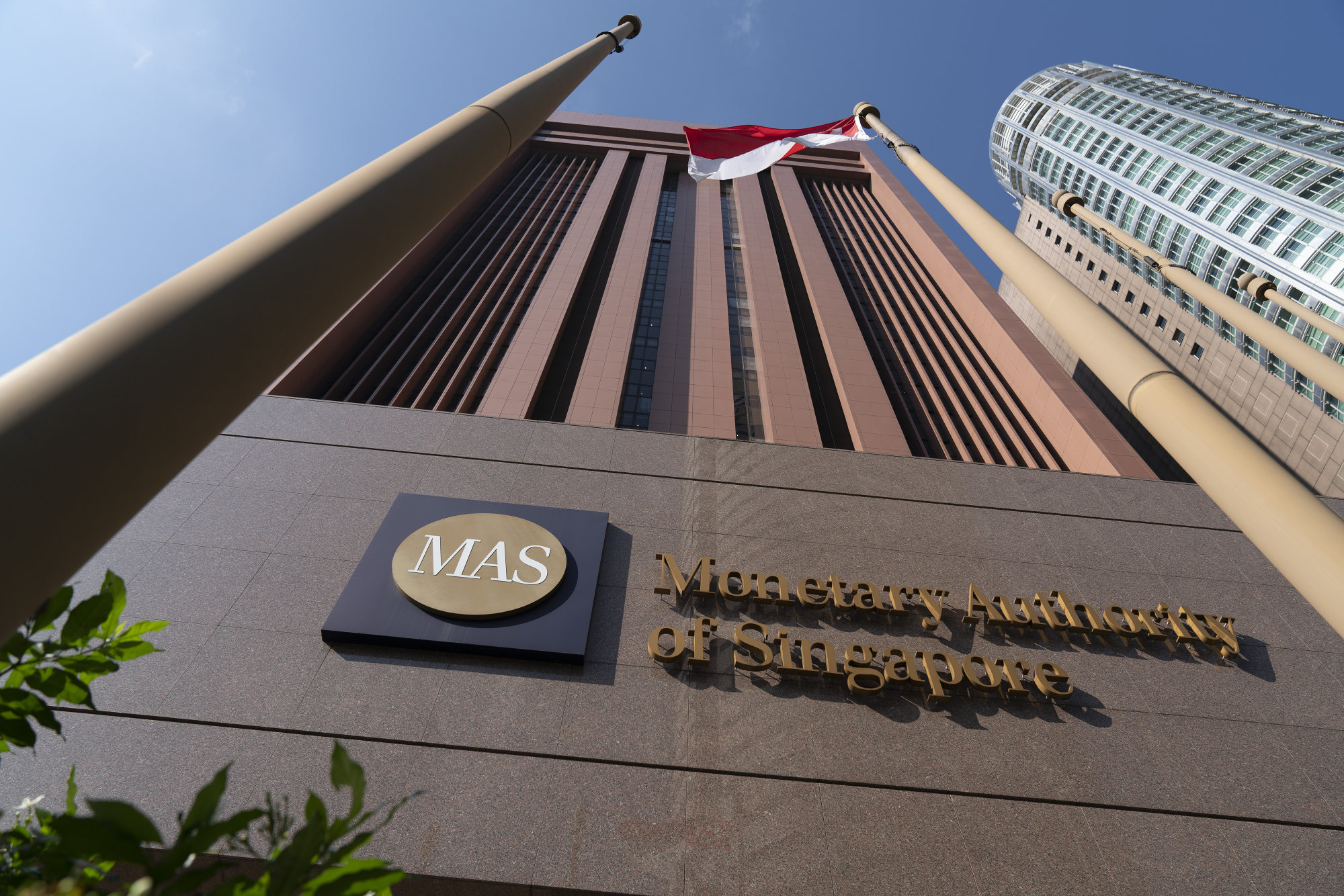
The Monetary Authority of Singapore building in Singapore. Photo: Bloomberg

The Monetary Authority of Singapore’s (MAS) regulations announced last week will apply to nonbank users of single-currency stablecoins pegged to the Singapore dollar, or any currency from the world’s 10 biggest economies, and would require issuers to maintain low-risk reserves and return par value to investors within five days of receiving a redemption request.

“The MAS seems to be paving the way for greater trust and potential formal integration of stablecoins into the banking system.

However, as these regulations are scheduled to come into effect in 2024, their precise impact on bank transactions will [need to] be monitored closely,” said Chen Zhuling, founder and CEO of crypto finance gateway RockX.

The central bank would need to hold legislative consultations before Parliament passes amendments that would bring the framework into force. The coins will be labelled as MAS-regulated stablecoin.

The distinction of having central bank-regulated stablecoins, as opposed to non-regulated cryptocurrencies, is likely to ease concerns about their stability that have curtailed their usage for physical transactions, analysts say.

Stablecoins have been the backbone for cryptocurrency trading and can potentially slash transaction costs associated with traditional banking systems to a nominal amount, while speeding up processing times to seconds.

But stablecoins have in the past failed to make inroads into mainstream financial systems because of a lack of transparency about their reserves.

Popular cryptocurrencies like bitcoin and ether tend to suffer from high price volatility. Photo: Reuters

Anndy Lian, author of the book NFT: From Zero to Hero, said Singapore’s guidelines could bridge the gap between fiat currrencies and digital assets.

“But this should not necessarily mean that banks will start to accept all kinds of cryptocurrencies. The volatility of other cryptocurrencies is still a red flag for many,” he said.

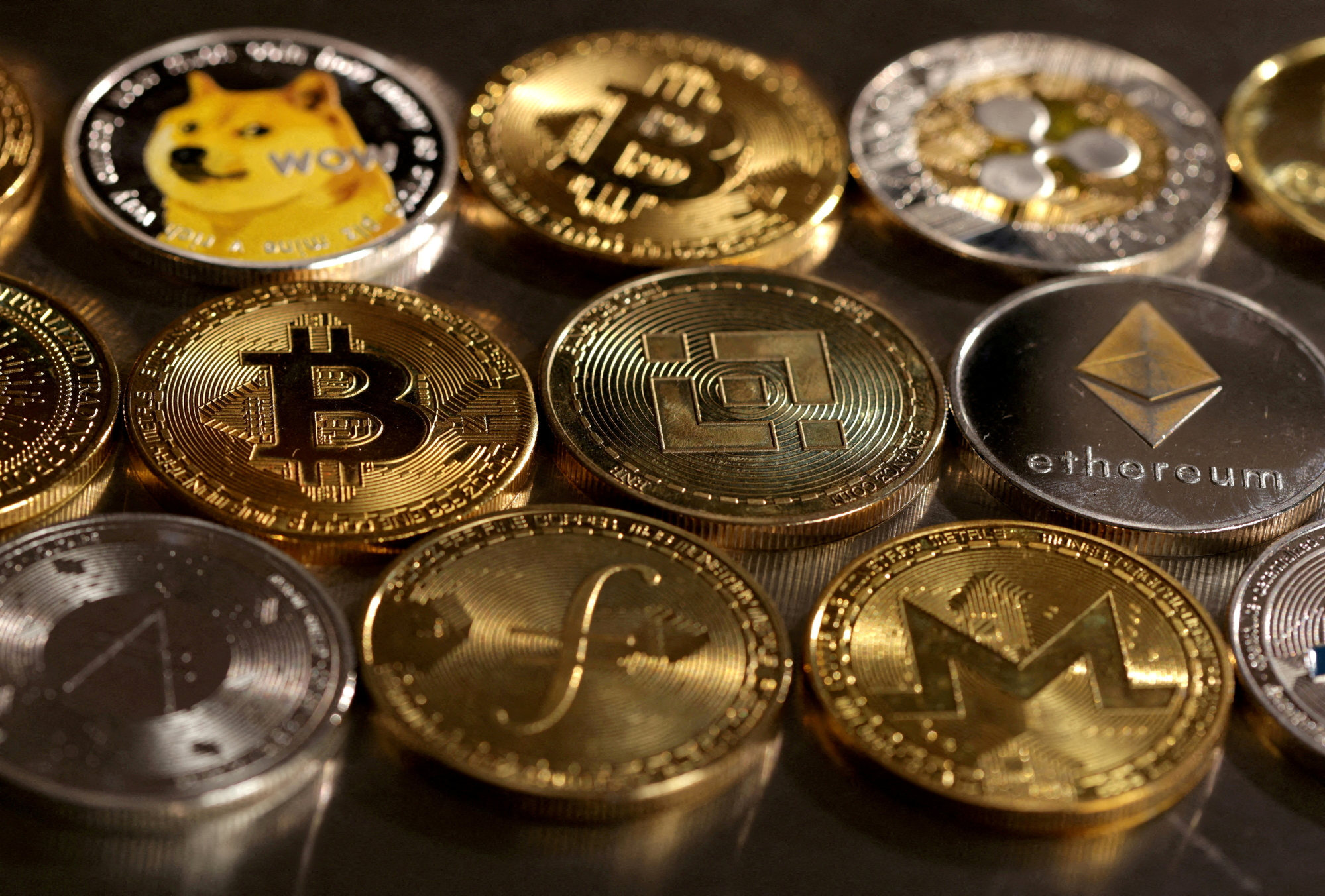
Popular cryptocurrencies like bitcoin and ether tend to suffer from high price volatility, whereas stablecoins tend to hold steady since they are linked to fiat currencies and other such assets.

Despite their relative safety, clamours for regulation of stablecoins grew after two such sister currencies – Terra and Luna, whose values were algorithmically pegged to the US dollar and not backed by cash – suddenly collapsed in May last year.

Singapore’s strict guidelines are meant to reassure both investors and institutions that could open new avenues for the asset class, industry executives say.

“Banks may even issue stablecoins for tokenised bank deposits as part of their rapidly developing digital transformations,” said Gerald Goh, co-founder and CEO of Sygnum Singapore, a digital assets fintech group.

“This model – fully regulated, traditional-asset backed and pegged to a high-quality ‘stable’ fiat currency like the Singapore dollar – has the potential to become a blueprint for the industry,” he added.

Do Kwon, the cryptocurrency entrepreneur who created the failed Terra stablecoin, is taken to court in handcuffs in Montenegro in March. Photo: Reuters

First among digital equals

Singapore’s stablecoin framework will put it among the first jurisdictions to have rules to prevent mishaps.

Rival financial hub Hong Kong is, meanwhile, undergoing a public consultation on stablecoins and seeks to introduce regulation for them next year.

The European Commission set the ball rolling with the Markets in Crypto-Assets (MiCA) regulation, which it introduced with the purpose of establishing a global benchmark for governing cryptos.

After being proposed by the commission in September 2020, the European Parliament approved the MiCA regulation on April 20. It is due to come into force for stablecoins from June 2024, and for other assets from December.

Anne-Sophie Cissey, head of legal and compliance at crypto firm Flowdesk, said the European legislation has set the tone for markets. “With clarification on the legal status, all crypto actors will feel more at ease to deal with those.”

Singapore’s regulation could speed up stablecoins adoption across the region, industry executives say.

“Regulators now collaborate with international entities, for example, MiCA’s announcement in Europe led to similar guidelines in various countries,” said Danny Chong, co-founder of online asset tracker Tranchess.

“This trend suggests that financial hubs like Singapore and Hong Kong should move towards converging rules. This convergence might take a few years to materialise, rather than happening immediately,” he said.

Hong Kong’s regulations are likely to follow Singapore’s soon, as it has been earnestly trying to woo crypto investors. In June, it introduced retail trading and licensing guidelines for crypto.

Many investors have already begun to gravitate towards tokenised assets.

“We are increasingly seeing more stablecoin adoption in Asia,” said Henry Zhang, founder and CEO of DigiFT, a Singapore-based decentralised digital asset exchange, adding that they were looking forward to introducing MAS-regulated stablecoins.

Tokenised US short-term bills have exploded to US$600 million this year, said Timo Lehes, co-founder of Swarm, a regulated decentralised finance platform based out of Germany, citing data from Coindesk.

The digital assets have also started making inroads past intermediaries in traditional financial channels, he said.

“We are already seeing applications taking tokenised forms of cash and financial products that cut out the middleman. In this new world, financial institutions will need to rethink financial product design that puts consumers at the heart,” Lehes said.

Central banks have laid the groundwork for cyptocurrency adoption with countries like China, India and Australia either planning to or having launched a central bank digital currency that can compete with stablecoins, said an industry executive.

“This will drive the choice and innovation needed in the market that will lead to mass adoption,” said Vincent Chok, CEO of Hong Kong finance firm First Digital.

Source: https://www.scmp.com/week-asia/economics/article/3231578/how-singapores-stablecoin-rules-could-boost-cryptos-mainstream-banking-role

Anndy Lian is an early blockchain adopter and experienced serial entrepreneur who is known for his work in the government sector. He is a best selling book author- “NFT: From Zero to Hero” and “Blockchain Revolution 2030”.

Currently, he is appointed as the Chief Digital Advisor at Mongolia Productivity Organization, championing national digitization. Prior to his current appointments, he was the Chairman of BigONE Exchange, a global top 30 ranked crypto spot exchange and was also the Advisory Board Member for Hyundai DAC, the blockchain arm of South Korea’s largest car manufacturer Hyundai Motor Group. Lian played a pivotal role as the Blockchain Advisor for Asian Productivity Organisation (APO), an intergovernmental organization committed to improving productivity in the Asia-Pacific region.

An avid supporter of incubating start-ups, Anndy has also been a private investor for the past eight years. With a growth investment mindset, Anndy strategically demonstrates this in the companies he chooses to be involved with. He believes that what he is doing through blockchain technology currently will revolutionise and redefine traditional businesses. He also believes that the blockchain industry has to be “redecentralised”.
j j j