How Singapore’s stablecoin rules could boost crypto’s ‘mainstream’ banking role

How Singapore’s stablecoin rules could boost crypto’s ‘mainstream’ banking role
  • Industry executives say the proposed rules by the Monetary Authority of Singapore are timely and will boost investor confidence
  • Recent moves by Hong Kong and Europe on rules governing stablecoins will also spur wider adoption of cryptocurrencies, according to the executives


The unpredictable price fluctuations of cryptocurrencies have been a make-or-break game for myriad investors across Asia for months.

However, only a handful of regional policymakers have ventured to integrate these volatile assets into the mainstream financial landscape.

Now, the latest move by Singapore’s central bank to introduce regulatory guidelines for stablecoins could prove to be a milestone for its rapid adoption in traditional channels like banks, analysts say.

Unlike other cryptocurrencies, stablecoins are viewed as safe haven assets as their values are pegged to traditional currencies or other assets such as government bonds and gold.

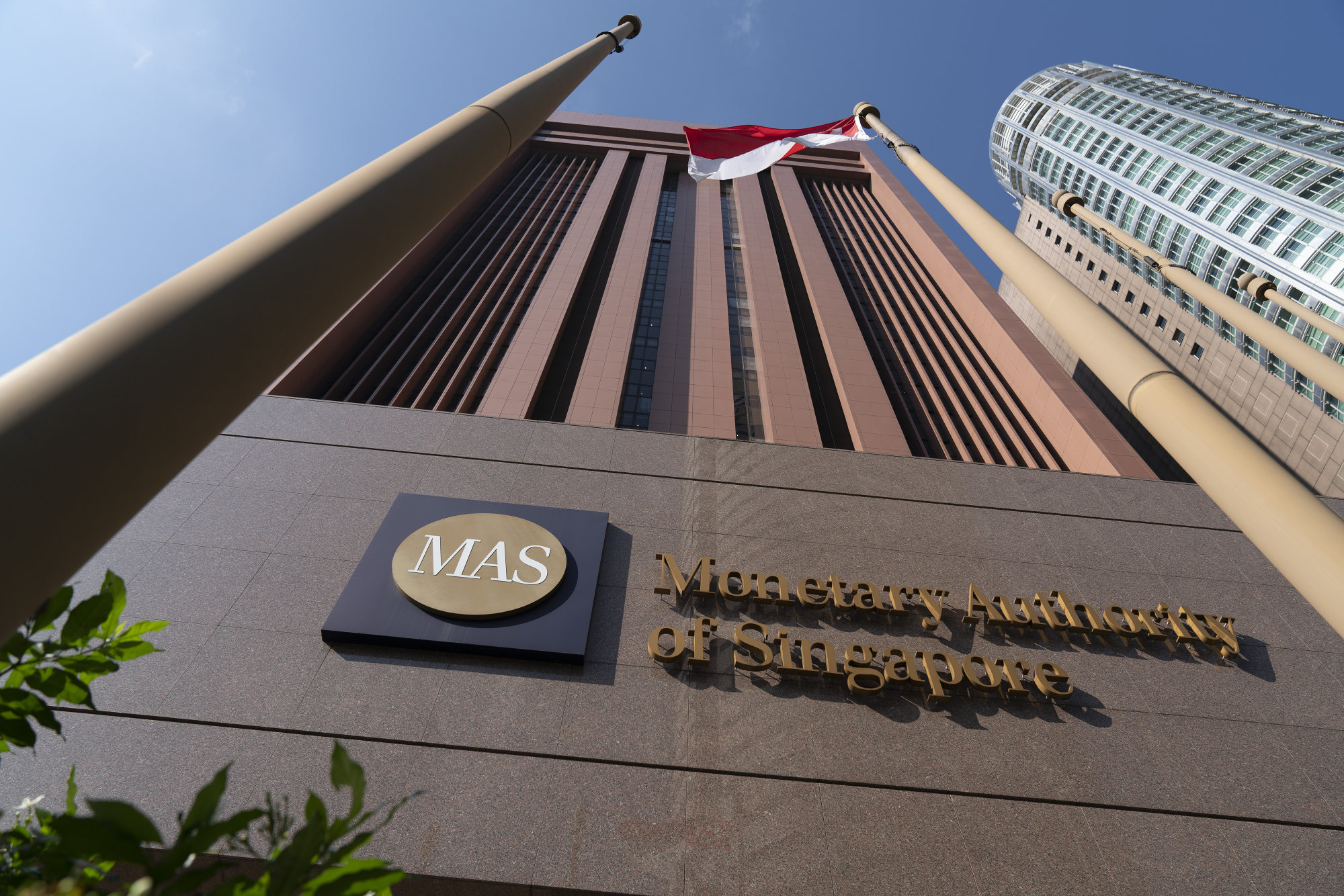
The Monetary Authority of Singapore building in Singapore. Photo: Bloomberg

The Monetary Authority of Singapore’s (MAS) regulations announced last week will apply to nonbank users of single-currency stablecoins pegged to the Singapore dollar, or any currency from the world’s 10 biggest economies, and would require issuers to maintain low-risk reserves and return par value to investors within five days of receiving a redemption request.

“The MAS seems to be paving the way for greater trust and potential formal integration of stablecoins into the banking system.

However, as these regulations are scheduled to come into effect in 2024, their precise impact on bank transactions will [need to] be monitored closely,” said Chen Zhuling, founder and CEO of crypto finance gateway RockX.

The central bank would need to hold legislative consultations before Parliament passes amendments that would bring the framework into force. The coins will be labelled as MAS-regulated stablecoin.

The distinction of having central bank-regulated stablecoins, as opposed to non-regulated cryptocurrencies, is likely to ease concerns about their stability that have curtailed their usage for physical transactions, analysts say.

Stablecoins have been the backbone for cryptocurrency trading and can potentially slash transaction costs associated with traditional banking systems to a nominal amount, while speeding up processing times to seconds.

But stablecoins have in the past failed to make inroads into mainstream financial systems because of a lack of transparency about their reserves.

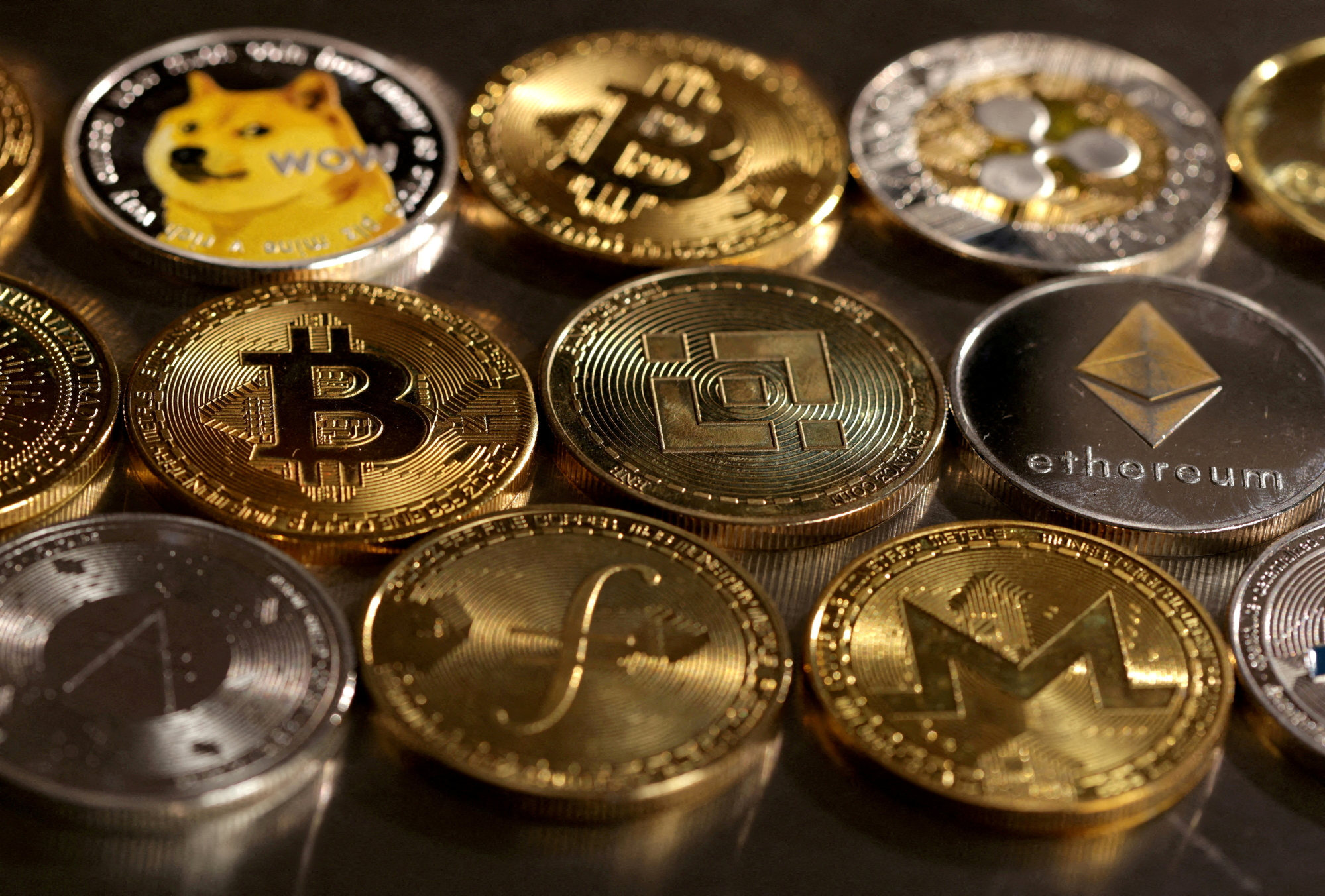
Popular cryptocurrencies like bitcoin and ether tend to suffer from high price volatility. Photo: Reuters

Anndy Lian, author of the book NFT: From Zero to Hero, said Singapore’s guidelines could bridge the gap between fiat currrencies and digital assets.

“But this should not necessarily mean that banks will start to accept all kinds of cryptocurrencies. The volatility of other cryptocurrencies is still a red flag for many,” he said.

Popular cryptocurrencies like bitcoin and ether tend to suffer from high price volatility, whereas stablecoins tend to hold steady since they are linked to fiat currencies and other such assets.

Despite their relative safety, clamours for regulation of stablecoins grew after two such sister currencies – Terra and Luna, whose values were algorithmically pegged to the US dollar and not backed by cash – suddenly collapsed in May last year.

Singapore’s strict guidelines are meant to reassure both investors and institutions that could open new avenues for the asset class, industry executives say.

“Banks may even issue stablecoins for tokenised bank deposits as part of their rapidly developing digital transformations,” said Gerald Goh, co-founder and CEO of Sygnum Singapore, a digital assets fintech group.

“This model – fully regulated, traditional-asset backed and pegged to a high-quality ‘stable’ fiat currency like the Singapore dollar – has the potential to become a blueprint for the industry,” he added.

Do Kwon, the cryptocurrency entrepreneur who created the failed Terra stablecoin, is taken to court in handcuffs in Montenegro in March. Photo: Reuters

First among digital equals

Singapore’s stablecoin framework will put it among the first jurisdictions to have rules to prevent mishaps.

Rival financial hub Hong Kong is, meanwhile, undergoing a public consultation on stablecoins and seeks to introduce regulation for them next year.

The European Commission set the ball rolling with the Markets in Crypto-Assets (MiCA) regulation, which it introduced with the purpose of establishing a global benchmark for governing cryptos.

After being proposed by the commission in September 2020, the European Parliament approved the MiCA regulation on April 20. It is due to come into force for stablecoins from June 2024, and for other assets from December.

Anne-Sophie Cissey, head of legal and compliance at crypto firm Flowdesk, said the European legislation has set the tone for markets. “With clarification on the legal status, all crypto actors will feel more at ease to deal with those.”

Singapore’s regulation could speed up stablecoins adoption across the region, industry executives say.

“Regulators now collaborate with international entities, for example, MiCA’s announcement in Europe led to similar guidelines in various countries,” said Danny Chong, co-founder of online asset tracker Tranchess.

“This trend suggests that financial hubs like Singapore and Hong Kong should move towards converging rules. This convergence might take a few years to materialise, rather than happening immediately,” he said.

Hong Kong’s regulations are likely to follow Singapore’s soon, as it has been earnestly trying to woo crypto investors. In June, it introduced retail trading and licensing guidelines for crypto.

Many investors have already begun to gravitate towards tokenised assets.

“We are increasingly seeing more stablecoin adoption in Asia,” said Henry Zhang, founder and CEO of DigiFT, a Singapore-based decentralised digital asset exchange, adding that they were looking forward to introducing MAS-regulated stablecoins.

Tokenised US short-term bills have exploded to US$600 million this year, said Timo Lehes, co-founder of Swarm, a regulated decentralised finance platform based out of Germany, citing data from Coindesk.

The digital assets have also started making inroads past intermediaries in traditional financial channels, he said.

“We are already seeing applications taking tokenised forms of cash and financial products that cut out the middleman. In this new world, financial institutions will need to rethink financial product design that puts consumers at the heart,” Lehes said.

Central banks have laid the groundwork for cyptocurrency adoption with countries like China, India and Australia either planning to or having launched a central bank digital currency that can compete with stablecoins, said an industry executive.

“This will drive the choice and innovation needed in the market that will lead to mass adoption,” said Vincent Chok, CEO of Hong Kong finance firm First Digital.

Source: https://www.scmp.com/week-asia/economics/article/3231578/how-singapores-stablecoin-rules-could-boost-cryptos-mainstream-banking-role

Anndy Lian is an early blockchain adopter and experienced serial entrepreneur who is known for his work in the government sector. He is a best selling book author- “NFT: From Zero to Hero” and “Blockchain Revolution 2030”.

Currently, he is appointed as the Chief Digital Advisor at Mongolia Productivity Organization, championing national digitization. Prior to his current appointments, he was the Chairman of BigONE Exchange, a global top 30 ranked crypto spot exchange and was also the Advisory Board Member for Hyundai DAC, the blockchain arm of South Korea’s largest car manufacturer Hyundai Motor Group. Lian played a pivotal role as the Blockchain Advisor for Asian Productivity Organisation (APO), an intergovernmental organization committed to improving productivity in the Asia-Pacific region.

An avid supporter of incubating start-ups, Anndy has also been a private investor for the past eight years. With a growth investment mindset, Anndy strategically demonstrates this in the companies he chooses to be involved with. He believes that what he is doing through blockchain technology currently will revolutionise and redefine traditional businesses. He also believes that the blockchain industry has to be “redecentralised”.

j j j

The Role of Pro-Crypto Politicians in Cryptocurrency Adoption: A Critical Examination

The Role of Pro-Crypto Politicians in Cryptocurrency Adoption: A Critical Examination

Cryptocurrencies have become a topic of heated debates and discussions worldwide. Pro-crypto politicians have emerged as enthusiastic advocates, highlighting the potential benefits of digital currencies, including economic growth, financial inclusion, and technological advancement. However, to gain a well-rounded perspective on the role of these politicians in cryptocurrency adoption, it is essential to consider the opposing viewpoints.

Critics argue that the speculative nature of cryptocurrencies often overshadows their supposed benefits, casting doubt on the claims made by pro-crypto politicians. They point out the highly volatile nature of digital assets like Bitcoin, which can lead to significant price fluctuations and create an environment conducive to speculative trading and market manipulation. Skeptics caution that the lack of robust regulations exposes investors to financial risks and has the potential to destabilize the broader economy. To address these concerns, pro-crypto politicians must acknowledge and address the risks associated with cryptocurrencies through appropriate regulatory measures.

Here are a few examples of politicians who have shown support for cryptocurrencies and have advocated for their adoption:

Francis Suarez:  Suarez is one of several local politicians in the US with a crypto-friendly stance. He took office as the mayor of Miami in 2017 and soon became the first American politician to take 100% of their salary in Bitcoin. He has also been hailed as one of the leading proponents of cryptocurrency adoption in the US.

Andrew Yang: Yang is a former Democratic presidential candidate who has been an advocate for cryptocurrencies. He has previously stated that he believes cryptocurrencies and blockchain technology have the potential to create a more transparent and accountable government.

Ted Cruz: Cruz is a Senator from Texas who has been a vocal advocate for cryptocurrency. He has proposed making Texas a “crypto oasis” and has introduced legislation to require vendors on Capitol Hill to accept crypto payments. He has also pushed for the adoption of cryptocurrency within Congress using incentives such as food.

Cynthia Lummis: Lummis is a Senator from Wyoming who has been a vocal advocate for Bitcoin and cryptocurrency. She believes that Bitcoin can be an effective store of value, and has criticized the U.S. dollar for losing its value over time due to inflation. Lummis also supports the idea of a decentralized financial system, and sees cryptocurrencies as a way to achieve this.

Here are a few examples of politicians who have voiced concerns or expressed reservations about cryptocurrencies:

Janet Yellen: As the former Chair of the Federal Reserve and the current United States Secretary of the Treasury, Janet Yellen has expressed concerns about the misuse of cryptocurrencies for illicit activities. She has highlighted the need for strong regulatory measures to prevent money laundering, terrorist financing, and other financial crimes associated with digital currencies.

Elizabeth Warren: Senator Elizabeth Warren has been critical of cryptocurrencies, particularly their lack of consumer protection and the potential for market manipulation. She has called for increased regulation and oversight to safeguard investors and ensure market integrity.

Brad Sherman: Congressman Brad Sherman has been one of the most vocal critics of cryptocurrencies in the United States. He has expressed concerns about the potential for cryptocurrencies to facilitate illegal activities, including money laundering and tax evasion. Sherman has advocated for a complete ban on cryptocurrencies, citing their potential threats to the stability of the financial system.

Gary Gensler: While not strictly anti-crypto, Gary Gensler, the current Chairman of the U.S. Securities and Exchange Commission (SEC), has emphasized the need for robust regulation and investor protection in the cryptocurrency space. He has voiced concerns about the lack of transparency, potential fraud, and market manipulation in the crypto markets.

Key Challenges

Regulation and oversight

The cryptocurrency industry is grappling with a significant challenge – the need for effective regulation and oversight. Pro-crypto politicians have consistently championed a light-touch regulatory approach, believing it to be the key to fostering innovation and driving industry growth. They argue that excessive regulation can stifle technological advancements and impede the potential benefits that cryptocurrencies offer.

However, opponents of this approach raise legitimate concerns about the potential risks associated with a less stringent regulatory framework. They argue that a light-touch approach might inadvertently create loopholes in regulations, leaving consumers exposed to various threats, including fraud, security breaches, and other malicious activities. Without robust regulations in place, critics assert that malicious actors may exploit the decentralized nature of cryptocurrencies, potentially resulting in financial harm to unsuspecting investors.

To address these concerns, critics emphasize the importance of comprehensive regulations that strike a delicate balance between nurturing innovation and safeguarding the interests of investors and the general public. They stress the need to implement measures that effectively combat money laundering, fraudulent schemes, and market manipulation. By establishing clear guidelines and standards, they argue that market integrity can be upheld, and a transparent and reliable crypto ecosystem can be built.

Furthermore, critics of the light-touch regulatory approach emphasize that effective oversight plays a crucial role in maintaining public trust in digital currencies. They assert that without proper supervision, cryptocurrencies risk being viewed as illegitimate financial instruments, thereby hindering their widespread adoption. Skeptics argue that by implementing comprehensive regulations and establishing competent oversight bodies, confidence can be instilled among users, investors, and the public at large.

While pro-crypto politicians advocate for a light-touch regulatory approach to foster innovation and industry growth, critics raise valid concerns about potential regulatory loopholes, consumer vulnerability, and the erosion of public trust. Striking the right balance between nurturing innovation and ensuring comprehensive regulations is a complex challenge that policymakers and stakeholders must tackle. By adopting a thoughtful and well-crafted regulatory framework, risks can be mitigated, investors can be protected, and a robust crypto ecosystem that fosters innovation and consumer confidence can be cultivated.

Potential for technological innovation

While politicians who support cryptocurrencies often emphasize the exciting possibilities for technological innovation, there are critics who voice concerns about their speculative nature. These critics argue that the volatile nature of cryptocurrencies and their susceptibility to market manipulation make them a risky investment choice, posing significant financial risks not only to individual investors but also to the broader economy.

Skeptics are quick to point out the unpredictable price fluctuations exhibited by cryptocurrencies like Bitcoin, which create an environment conducive to speculative trading and market manipulation. They argue that without robust safeguards and regulations in place, unscrupulous actors can exploit these vulnerabilities, potentially causing substantial losses for unsuspecting investors. These risks have far-reaching consequences, as financial market stability can be compromised.

Furthermore, critics caution against politicians who passionately promote cryptocurrencies without adequately addressing the associated risks. They argue that policymakers must recognize the potential dangers posed by speculative trading, market manipulation, and the lack of investor protection. Failing to address these concerns could inadvertently encourage reckless behavior and contribute to financial instability.

The concerns raised by skeptics extend beyond the individual investor’s well-being. They emphasize how cryptocurrency volatility can have a profound impact on the broader economy. Unpredictable price swings and market manipulations can erode market confidence, impact consumer sentiment, and disrupt established financial systems. To mitigate these risks and ensure the stability and integrity of financial markets, critics stress the need for comprehensive regulations and effective oversight.

In essence, while politicians in favor of cryptocurrencies highlight the potential for technological innovation, critics bring forth valid concerns regarding their speculative nature and associated risks. They caution against political endorsements that overlook these risks and advocate for a more measured and responsible approach to promoting cryptocurrencies. By acknowledging and addressing these concerns, policymakers can strike a balance that fosters innovation while safeguarding investors and maintaining stability in the broader economy.

Financial exclusion and inequality

Financial exclusion and inequality are critical issues that generate considerable debate within the context of cryptocurrencies. Pro-crypto politicians frequently emphasize the potential for financial inclusion, particularly in regions where access to traditional banking systems is limited. They argue that cryptocurrencies offer an opportunity for individuals without access to formal financial services to participate in the global economy.

However, skeptics express concerns about the decentralized nature of cryptocurrencies and its potential impact on existing inequalities. They argue that individuals with limited resources or technological literacy may face significant barriers when it comes to accessing and engaging with the crypto ecosystem. This, in turn, can exacerbate the digital divide, deepening the disparities that already exist within society.

Critics stress the importance of policymakers acknowledging and addressing these concerns to ensure that the benefits of cryptocurrencies are accessible to all segments of society. They advocate for the implementation of measures that bridge the gap and promote inclusivity. These measures could include initiatives to improve digital literacy, expand internet access, and make cryptocurrencies more user-friendly for individuals with limited technological expertise. By doing so, policymakers can help mitigate the potential for cryptocurrencies to perpetuate existing inequalities and instead leverage their transformative potential to foster financial inclusion.

It is essential for policymakers to consider the broader implications of cryptocurrency adoption and develop strategies that promote equal participation and access. By proactively addressing the challenges related to financial exclusion, policymakers can work towards creating a more equitable and inclusive crypto ecosystem. Through targeted efforts, education, and infrastructure development, it becomes possible to empower individuals from all walks of life to harness the benefits of cryptocurrencies and contribute to a more inclusive financial future.

Pragmatic and informed approach

In light of these arguments, it is crucial for policymakers and pro-crypto politicians to adopt a pragmatic and informed approach. While the potential benefits of cryptocurrencies are significant, it is essential to thoroughly evaluate and understand the associated risks. This includes considerations such as consumer protection, investor education, and cybersecurity. Critics caution against blind promotion of cryptocurrencies without considering the potential consequences. Instead, they advocate for evidence-based decision-making and collaboration with experts from various fields to develop effective regulations and policies that strike a balance between fostering innovation and ensuring public safety.

To sum up, while pro-crypto politicians assert that their support is instrumental in driving cryptocurrency adoption, skeptics raise valid concerns that cannot be ignored. Striking the right balance between innovation, regulation, and consumer protection is crucial for the sustainable growth and adoption of cryptocurrencies. Pro-crypto politicians must address these counterarguments and work towards comprehensive frameworks that maximize the potential benefits while mitigating risks. By making informed decisions and remaining adaptable, policymakers can pave the way for responsible cryptocurrency adoption in the future.


Source: https://www.securities.io/the-role-of-pro-crypto-politicians-in-cryptocurrency-adoption-a-critical-examination/
Anndy Lian is an early blockchain adopter and experienced serial entrepreneur who is known for his work in the government sector. He is a best selling book author- “NFT: From Zero to Hero” and “Blockchain Revolution 2030”.

Currently, he is appointed as the Chief Digital Advisor at Mongolia Productivity Organization, championing national digitization. Prior to his current appointments, he was the Chairman of BigONE Exchange, a global top 30 ranked crypto spot exchange and was also the Advisory Board Member for Hyundai DAC, the blockchain arm of South Korea’s largest car manufacturer Hyundai Motor Group. Lian played a pivotal role as the Blockchain Advisor for Asian Productivity Organisation (APO), an intergovernmental organization committed to improving productivity in the Asia-Pacific region.

An avid supporter of incubating start-ups, Anndy has also been a private investor for the past eight years. With a growth investment mindset, Anndy strategically demonstrates this in the companies he chooses to be involved with. He believes that what he is doing through blockchain technology currently will revolutionise and redefine traditional businesses. He also believes that the blockchain industry has to be “redecentralised”.

j j j

What is the role of stablecoins in digital assets ecosystem

What is the role of stablecoins in digital assets ecosystem

In my view, stablecoins are a form of private money. The concept is not new. As long as the community recognizes this as a form of money, then it is money.

Having said so, it depends on whether you are talking about dollar-collateralized, company-collateralized, cryptocurrency-collateralized, or non-collateralized stablecoins. Each kind of design comes with pros and cons. For the time being those that are properly collateralized and approved by a country’s financial services authority would be in favor and can be the forerunner.

This process is still in the research stage for many countries. Ideally, in the longer term, I would like to see interoperability between various stablecoins and CBDCs. This will then bring out the true meaning of crypto and a new era of financial systems.

– Anndy Lian


What is the role of stablecoins in digital assets ecosystem

The cryptocurrency market, which continues to tackle uncertainties around it, has seen the usage of stablecoins multiply in last couple of years. According to data by European Central Bank, stablecoins’ market capitalisation increased from €23 billion to around €150 billion in the Q1, CY2021. In September, 2021, around 75% of trading on cryptocurrency platforms involved stablecoins. Market behaviour suggests that stablecoins are being used to trade cryptocurrency assets. “Stablecoins act as intermediary when cryptocurrency investors want to exit a market position and re-enter it later. Stablecoins can help with trading between different cryptocurrency exchanges, and can also help investors with their financial stability when cryptocurrency markets are bearish in nature,” Sathvik Vishwanath, co-founder and CEO, Unocoin, a cryptocurrency exchange, told FE Digital Currency.

Reportedly, stablecoins such as Tether, USD Coin and Binance USD account for close to 90% of the total stablecoin market. According to experts, stablecoins can be used as a currency because of its collateral value being associated with the United States Dollar (USD). Information from Federal Reserve, a government body, mentioned that a two-tiered banking system, where banks are supervised under state and federal levels, can support both stablecoin issuance and maintain traditional forms of credit creation. “As stablecoins are backed by financial services authorities, it can be a frontrunner in the cryptocurrency space. In the longer-term, I believe interoperability between stablecoins and central bank digital currencies (CBDCs) will take place,” Anndy Lian, chief digital advisor, Mongolian Productivity, a governmental organisation, said.

It is believed that stablecoins can help to bridge the gap between cryptocurrencies and fiat currencies, due to their relatively low price volatility. “Stablecoins can be used to ensure monetary balance as companies can pay salaries and conduct transactions between different geographies. As stablecoins can be tracked, governments can implement regulations to excercise control over it without their complete ban,” Aliasgar Merchant, lead developer of relations, Akash Network, a decentralised cloud platform, stated.

Anndy Lian is an early blockchain adopter and experienced serial entrepreneur who is known for his work in the government sector. He is a best selling book author- “NFT: From Zero to Hero” and “Blockchain Revolution 2030”.

Currently, he is appointed as the Chief Digital Advisor at Mongolia Productivity Organization, championing national digitization. Prior to his current appointments, he was the Chairman of BigONE Exchange, a global top 30 ranked crypto spot exchange and was also the Advisory Board Member for Hyundai DAC, the blockchain arm of South Korea’s largest car manufacturer Hyundai Motor Group. Lian played a pivotal role as the Blockchain Advisor for Asian Productivity Organisation (APO), an intergovernmental organization committed to improving productivity in the Asia-Pacific region.

An avid supporter of incubating start-ups, Anndy has also been a private investor for the past eight years. With a growth investment mindset, Anndy strategically demonstrates this in the companies he chooses to be involved with. He believes that what he is doing through blockchain technology currently will revolutionise and redefine traditional businesses. He also believes that the blockchain industry has to be “redecentralised”.

j j j