Exploring NFTs: From Zero to Hero – Insights from Anndy Lian

Exploring NFTs: From Zero to Hero – Insights from Anndy Lian

In a recent discussion, we had the privilege of sitting down with Anndy, a distinguished figure in the world of blockchain and cryptocurrency. The focal point of our conversation revolved around his newly authored book, “NFTs: A Journey from Zero to Hero,” which delves into the intricacies of non-fungible tokens (NFTs) and how they have been misinterpreted within the industry.

Unraveling the Motivation Behind the Book
NFTs have taken the digital realm by storm, yet misconceptions about them abound. Anndy, with his vast experience, identified the need to clarify these misunderstandings. He recounted observing many respected acquaintances who owned significant blockchain-based enterprises falling prey to fraudulent schemes. This observation served as a catalyst for his book, as he was determined to equip individuals with a comprehensive understanding of NFTs.

Anndy’s mission was twofold: Firstly, he aimed to demystify NFTs by offering a crystal-clear definition of what they entail. Secondly, he sought to empower readers with practical insights, enabling them to navigate the NFT landscape without necessarily resorting to expensive consultations.

A Book Rooted in Experience and Authenticity
The uniqueness of Anndy’s book lies in its authenticity. Every piece of advice and guidance stems from his personal experiences and endeavors. Unlike other sources, the strategies and tools outlined in the book have been tried and tested by Anndy himself, providing readers with a sense of reassurance.

Anndy’s book emerges as a guidepost, offering readers a roadmap for entering the world of NFTs with confidence. His aim was not only to educate but to instill a feeling of empowerment among his readers, encouraging them to explore this innovative domain fearlessly.

Beyond “Zero to Hero”: A Glimpse into the Future
As the conversation continued, Anndy hinted at his upcoming literary endeavor. His new book, currently in progress, focuses on decentralization and its profound impact on technology and society. The title, “Decentralization: Redefining the Web,” hints at the broader scope of this work.

Anndy envisions a world where decentralization goes beyond eliminating intermediaries. He believes in a more profound application—one that challenges the conventional understanding of decentralization by integrating elements of artificial intelligence and automation. This vision, he asserts, will drive a sustainable transformation of industries, transcending the limitations of current paradigms.

Embracing the Future with Web 4.0
Anndy’s forward-looking perspective extends beyond the mere present. He views the emergence of Web 4.0 as an opportune moment for revolutionary change. While Web 3.0 has laid the groundwork for blockchain integration, Anndy emphasizes that Web 4.0 introduces a higher level of sophistication, driven by the fusion of artificial intelligence and decentralized architecture.

As the interview concluded, Anndy expressed his desire to witness the growth of informed and collaborative communities within the cryptocurrency space. He envisions communities that not only educate but also foster genuine understanding among participants. Additionally, he reiterated his commitment to working alongside governmental entities, believing that bridging gaps with influential stakeholders is essential for catalyzing positive changes.

In a parting note, Anndy hinted at the imminent release of his next book, leaving us eagerly awaiting his continued insights and contributions to the evolving landscape of blockchain and cryptocurrency.

In conclusion, our conversation with Anndy provided invaluable insights into the world of NFTs and decentralized technologies. His dedication to dispelling myths and his visionary outlook make him a beacon of knowledge and innovation in the crypto realm. We eagerly anticipate the release of his upcoming book and the transformative ideas it promises to unveil. Until then, as Anndy’s journey unfolds, we can only imagine the profound impact he will continue to have on the future of blockchain technology.


j j j

Blockchain Beyond Borders | Episode 1 | Let’s Talk All ‘Bout Crypto | ABC Conclave

Blockchain Beyond Borders | Episode 1 | Let’s Talk All ‘Bout Crypto | ABC Conclave

The world of blockchain technology is rapidly expanding, promising revolutionary changes across borders and industries. In a recent talk show episode titled “Blockchain Beyond Borders: Building Global Bridges for Innovation and Adoption,” industry experts gathered at the ABC Conclave in Dubai to discuss the transformative potential of blockchain technology. Panelists included Anndy Lian, an Intergovernmental Blockchain Expert from Singapore; Kris Bennett, Co-Founder and Chief Learning Officer of the Blockchain Training Alliance in the USA; Raj Kapoor, Founder & CEO of the India Blockchain Alliance; and Shailesh Kunnath, Co-Founder of Masary Capital in the UAE. Moderated by Jenny Zheng; Co-founder, Blockcast.cc.

Identifying Real Solutions Amidst the Fluff
The panelists engaged in a dynamic conversation, sharing their perspectives on the blockchain landscape’s key considerations for success. Raj Kapoor kicked off the discussion by emphasizing the importance of addressing real-world problems through blockchain solutions. He highlighted that the market often gets flooded with proposals that lack substance, urging entrepreneurs to go beyond the hype. Kapoor stressed that genuine innovation must tackle real challenges or enhance existing solutions to be impactful.

Critical Criteria for Sustainable Blockchain Projects
Jenny Zheng then outlined several critical criteria he uses to evaluate blockchain projects. First and foremost, she emphasized the significance of solving real-world problems. She stated that projects should demonstrate how they enhance existing solutions or address pressing issues. Jenny also scrutinizes the longevity of project promoters, looking beyond financial factors to their determination and commitment. She noted the value of having validation, even in the form of a small customer base or a proof of concept. Additionally, she assessed the hunger and dedication of project promoters, along with family and friends’ initial support, as indicators of credibility. Jenny’s insights highlighted the multifaceted nature of project evaluation.

Perspectives on Blockchain Adoption
Kris Bennett chimed in, offering his perspective on blockchain adoption. He highlighted the common tendency to prioritize technology in emerging industries, cautioning against neglecting practicality and value delivery. Bennett stressed that being the first to market doesn’t guarantee success. Drawing a historical parallel to Amazon’s rise in the e-commerce sector, he noted that timing and impact matter more than being the earliest player. Bennett also emphasized the importance of conveying value without relying solely on technology jargon, urging entrepreneurs to articulate the benefits of their solutions independently of blockchain or crypto references. Lastly, he underscored the significance of building a strong, well-rounded team with diverse expertise to drive success.

Community, Education, and Future Growth
Anndy Lian added his insights, focusing on the role of education and community in blockchain growth. Lian highlighted the necessity of educating not only individuals but also entire ecosystems, including venture capitalists and regulators. He commended Dubai’s proactive approach to fostering blockchain education and innovation. Lian also discussed the importance of community engagement, explaining that a vibrant and supportive community is crucial for sustained blockchain adoption. He encouraged a collaborative approach where different stakeholders contribute to the technology’s advancement.

Regulatory Strategies for Blockchain Innovation
Transitioning to regulatory concerns, Lian, drawing from his experience with governments and regulatory bodies, emphasized the evolving nature of blockchain regulation. He acknowledged that many countries are grappling with regulatory frameworks for this emerging technology. Lian stressed the importance of cross-border transactions and the need for cooperation to ensure stability in the financial sector. He highlighted the significance of developing clear regulatory guidelines to support the growth of blockchain while safeguarding financial systems.

In Conclusion
In the era of blockchain, collaboration, education, and a problem-solving mindset stand as critical pillars for success. The panelists’ insights underscored the dynamic and multifaceted nature of the blockchain landscape, revealing the need for innovative solutions, well-structured teams, community engagement, and regulatory clarity to drive the technology’s transformative potential globally. As the world continues to navigate the opportunities and challenges presented by blockchain, one thing remains clear: the path to success is paved with innovation and collaboration.


j j j

How Singapore’s stablecoin rules could boost crypto’s ‘mainstream’ banking role

How Singapore’s stablecoin rules could boost crypto’s ‘mainstream’ banking role
  • Industry executives say the proposed rules by the Monetary Authority of Singapore are timely and will boost investor confidence
  • Recent moves by Hong Kong and Europe on rules governing stablecoins will also spur wider adoption of cryptocurrencies, according to the executives


The unpredictable price fluctuations of cryptocurrencies have been a make-or-break game for myriad investors across Asia for months.

However, only a handful of regional policymakers have ventured to integrate these volatile assets into the mainstream financial landscape.

Now, the latest move by Singapore’s central bank to introduce regulatory guidelines for stablecoins could prove to be a milestone for its rapid adoption in traditional channels like banks, analysts say.

Unlike other cryptocurrencies, stablecoins are viewed as safe haven assets as their values are pegged to traditional currencies or other assets such as government bonds and gold.

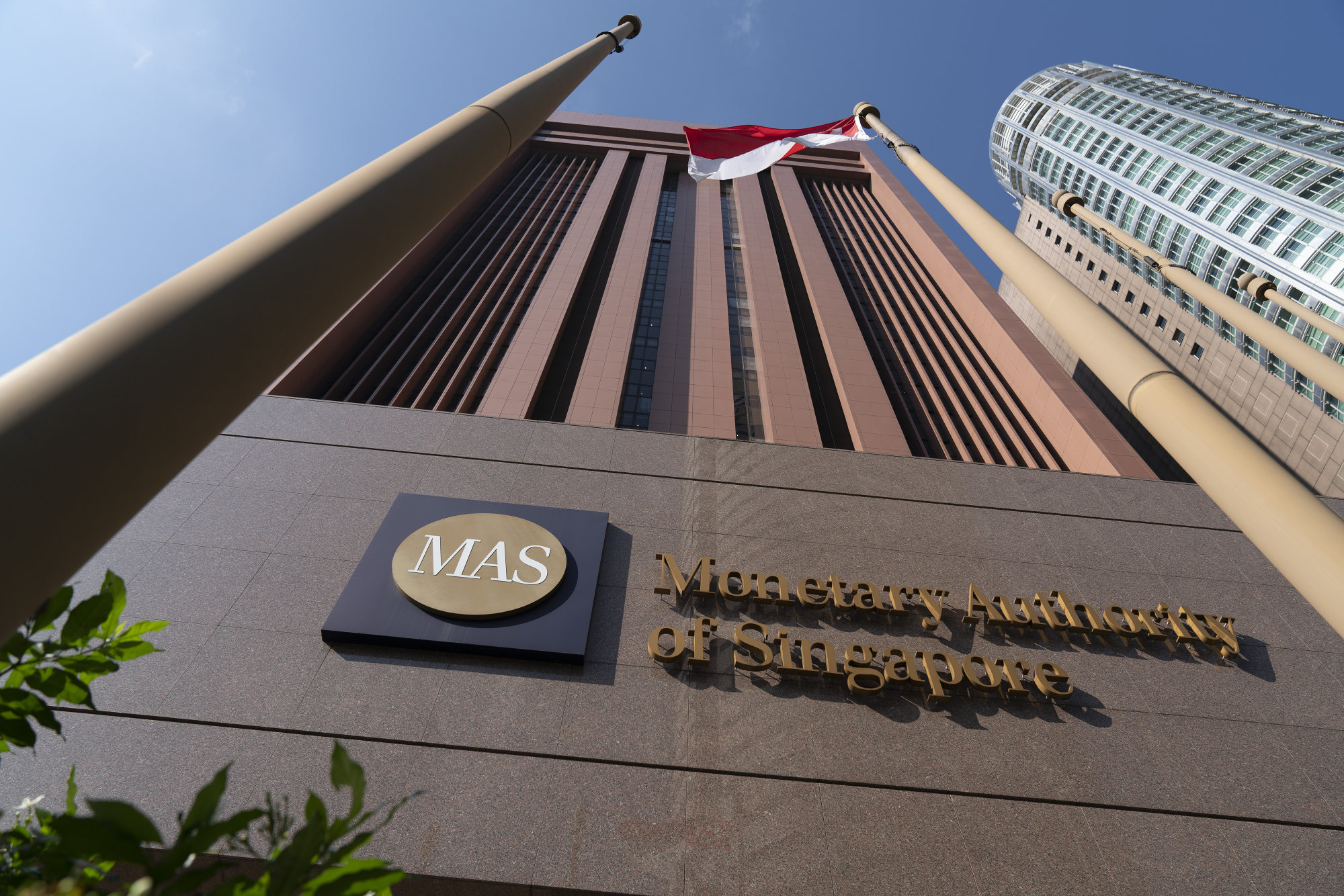
The Monetary Authority of Singapore building in Singapore. Photo: Bloomberg

The Monetary Authority of Singapore’s (MAS) regulations announced last week will apply to nonbank users of single-currency stablecoins pegged to the Singapore dollar, or any currency from the world’s 10 biggest economies, and would require issuers to maintain low-risk reserves and return par value to investors within five days of receiving a redemption request.

“The MAS seems to be paving the way for greater trust and potential formal integration of stablecoins into the banking system.

However, as these regulations are scheduled to come into effect in 2024, their precise impact on bank transactions will [need to] be monitored closely,” said Chen Zhuling, founder and CEO of crypto finance gateway RockX.

The central bank would need to hold legislative consultations before Parliament passes amendments that would bring the framework into force. The coins will be labelled as MAS-regulated stablecoin.

The distinction of having central bank-regulated stablecoins, as opposed to non-regulated cryptocurrencies, is likely to ease concerns about their stability that have curtailed their usage for physical transactions, analysts say.

Stablecoins have been the backbone for cryptocurrency trading and can potentially slash transaction costs associated with traditional banking systems to a nominal amount, while speeding up processing times to seconds.

But stablecoins have in the past failed to make inroads into mainstream financial systems because of a lack of transparency about their reserves.

Popular cryptocurrencies like bitcoin and ether tend to suffer from high price volatility. Photo: Reuters

Anndy Lian, author of the book NFT: From Zero to Hero, said Singapore’s guidelines could bridge the gap between fiat currrencies and digital assets.

“But this should not necessarily mean that banks will start to accept all kinds of cryptocurrencies. The volatility of other cryptocurrencies is still a red flag for many,” he said.

Popular cryptocurrencies like bitcoin and ether tend to suffer from high price volatility, whereas stablecoins tend to hold steady since they are linked to fiat currencies and other such assets.

Despite their relative safety, clamours for regulation of stablecoins grew after two such sister currencies – Terra and Luna, whose values were algorithmically pegged to the US dollar and not backed by cash – suddenly collapsed in May last year.

Singapore’s strict guidelines are meant to reassure both investors and institutions that could open new avenues for the asset class, industry executives say.

“Banks may even issue stablecoins for tokenised bank deposits as part of their rapidly developing digital transformations,” said Gerald Goh, co-founder and CEO of Sygnum Singapore, a digital assets fintech group.

“This model – fully regulated, traditional-asset backed and pegged to a high-quality ‘stable’ fiat currency like the Singapore dollar – has the potential to become a blueprint for the industry,” he added.

Do Kwon, the cryptocurrency entrepreneur who created the failed Terra stablecoin, is taken to court in handcuffs in Montenegro in March. Photo: Reuters

First among digital equals

Singapore’s stablecoin framework will put it among the first jurisdictions to have rules to prevent mishaps.

Rival financial hub Hong Kong is, meanwhile, undergoing a public consultation on stablecoins and seeks to introduce regulation for them next year.

The European Commission set the ball rolling with the Markets in Crypto-Assets (MiCA) regulation, which it introduced with the purpose of establishing a global benchmark for governing cryptos.

After being proposed by the commission in September 2020, the European Parliament approved the MiCA regulation on April 20. It is due to come into force for stablecoins from June 2024, and for other assets from December.

Anne-Sophie Cissey, head of legal and compliance at crypto firm Flowdesk, said the European legislation has set the tone for markets. “With clarification on the legal status, all crypto actors will feel more at ease to deal with those.”

Singapore’s regulation could speed up stablecoins adoption across the region, industry executives say.

“Regulators now collaborate with international entities, for example, MiCA’s announcement in Europe led to similar guidelines in various countries,” said Danny Chong, co-founder of online asset tracker Tranchess.

“This trend suggests that financial hubs like Singapore and Hong Kong should move towards converging rules. This convergence might take a few years to materialise, rather than happening immediately,” he said.

Hong Kong’s regulations are likely to follow Singapore’s soon, as it has been earnestly trying to woo crypto investors. In June, it introduced retail trading and licensing guidelines for crypto.

Many investors have already begun to gravitate towards tokenised assets.

“We are increasingly seeing more stablecoin adoption in Asia,” said Henry Zhang, founder and CEO of DigiFT, a Singapore-based decentralised digital asset exchange, adding that they were looking forward to introducing MAS-regulated stablecoins.

Tokenised US short-term bills have exploded to US$600 million this year, said Timo Lehes, co-founder of Swarm, a regulated decentralised finance platform based out of Germany, citing data from Coindesk.

The digital assets have also started making inroads past intermediaries in traditional financial channels, he said.

“We are already seeing applications taking tokenised forms of cash and financial products that cut out the middleman. In this new world, financial institutions will need to rethink financial product design that puts consumers at the heart,” Lehes said.

Central banks have laid the groundwork for cyptocurrency adoption with countries like China, India and Australia either planning to or having launched a central bank digital currency that can compete with stablecoins, said an industry executive.

“This will drive the choice and innovation needed in the market that will lead to mass adoption,” said Vincent Chok, CEO of Hong Kong finance firm First Digital.

Source: https://www.scmp.com/week-asia/economics/article/3231578/how-singapores-stablecoin-rules-could-boost-cryptos-mainstream-banking-role

j j j